
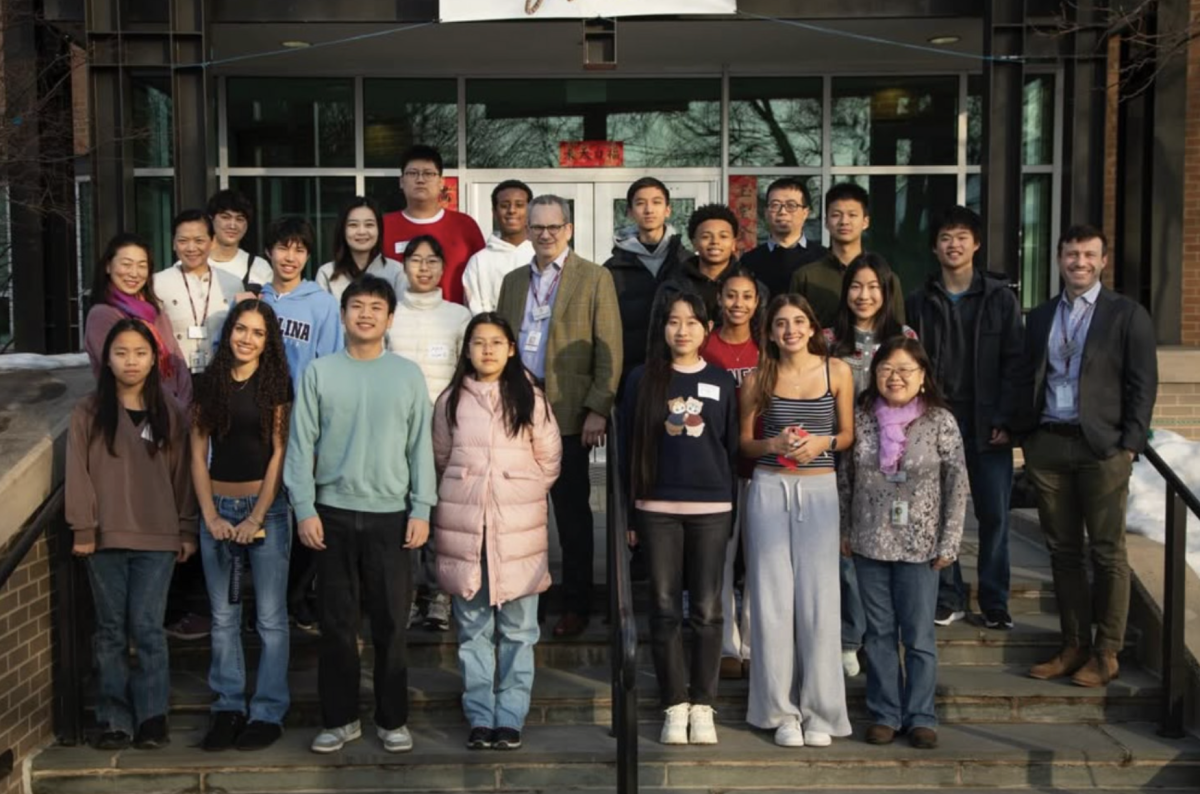

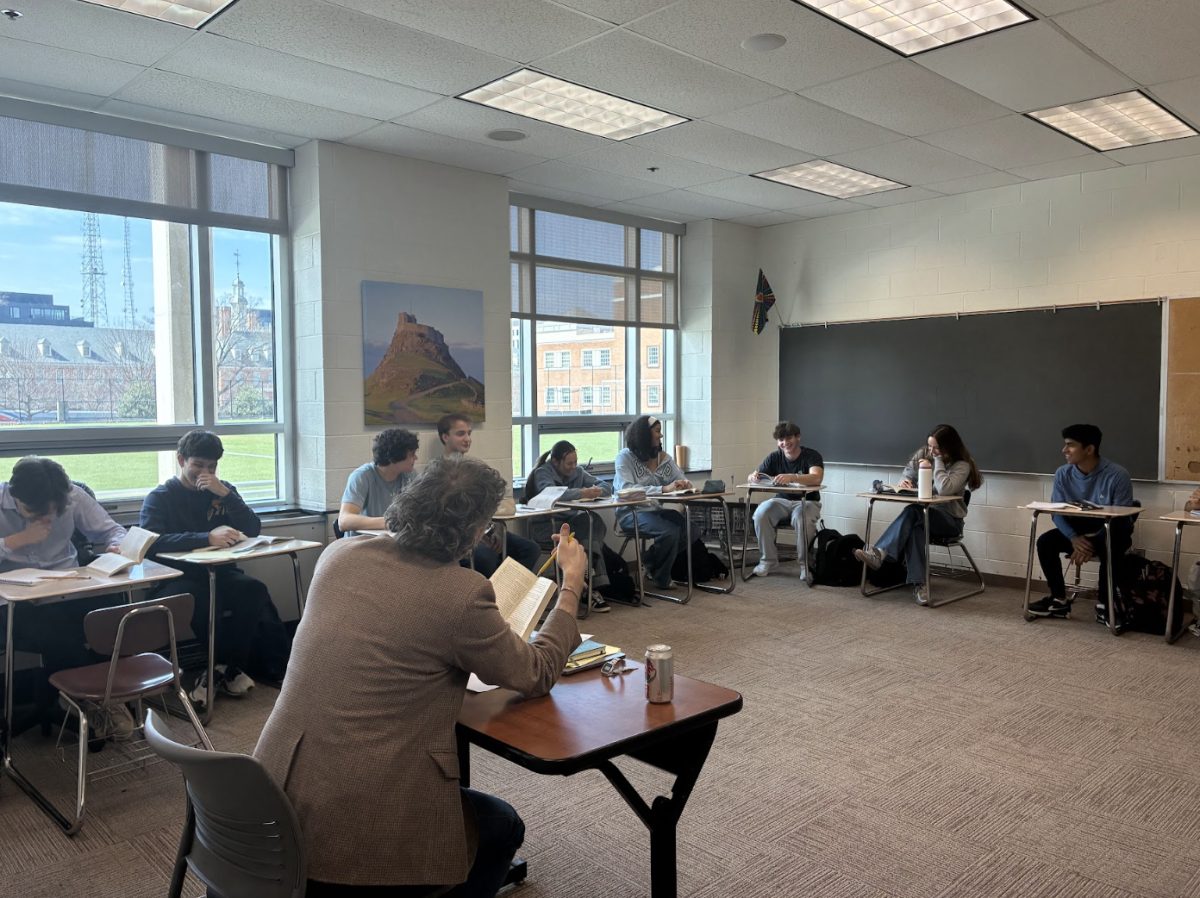





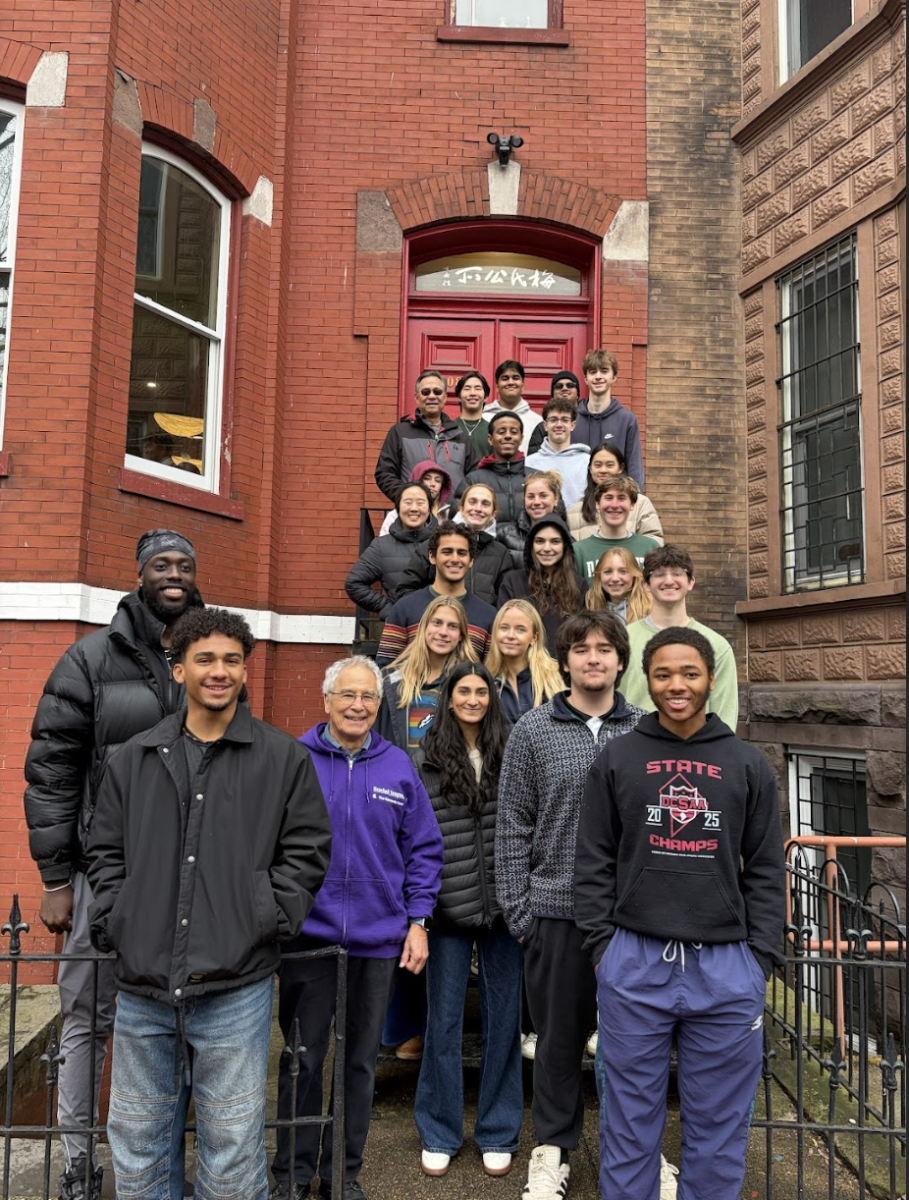
On March 4, students from Chinese Seminar, Chinese V and Metropolitan Policy and the DMV visited Chinatown. Students learned about the history, present issues and future challenges of the Washington neighborhood. They also explored how the neighborhood has changed and what developments have led to the loss of much of its old character.
The 1882 Foundation, a non-profit organization dedicated to keeping alive the story of the Chinese Exclusion Act and the Chinese-American community more broadly, collaborated with Sidwell for the field trip. Based in Chi natown, the organization works with partner organizations, provides educational programs and advocates for congressional action.
Sidwell Chinese Teacher Xuan Wang said that the organization was great to work with and that their tour guide was very knowledgeable, having lived in both New York’s and Washington’s Chinatowns. Upper School Principal and Metropolitan Policy and the DMV Teacher Robert Gross called the trip “very successful” and expressed how helpful it was to see the city from a different perspective.
Wang and Gross began planning the trip last spring after going on a tour with the 1882 Foundation. They said the goal of the experience for both of their classes was to see the reality “on the ground” of what they had discussed in class. They both emphasized the “interdisciplinary” nature of the trip, and Wang said it seemed like a “natural place for the Chinese and DMV classes to work together” and learn from the different perspectives offered by the classes.
Chinese students have focused on the question “What was Chinatown?” and learned its history and its connections to themes of immigration and business. In contrast, students in Metropolitan Policy and the DMV have taken a more contemporary approach to studying Chinatown, investigating the intersection of preservation and urban development. Washington’s Chinatown, situated in the center of the city between the White House and the Capitol, was established in the 1930s. While there had previously been a Chinese community in the city since the mid-1800s, they were concentrated in an area along Pennsylvania Avenue, largely due to the hate and discrimination faced by Chinese communities around the U.S. The neighborhood, previously populated by a Jewish community, became a strong community with Chinese-owned restaurants, architecture and businesses
The tour emphasized how different Chinatown is today from the previous Chinatown. There is a small fraction of the number of Chinese businesses and residents, and the area has become filled with national chains like the Raising Cane’s, Chipotle and a Capital One Cafe.
The neighborhood is now also dominated by the Capital One Arena, one of the properties in Chinatown owned by billionaire Ted Leonsis. Sophomore Norah Chang said that their classes learned about the steps Leonsis has taken to cover the original character and culture of Chinatown. An example of this was when Leonsis covered a dragon statue with billboards.
Students also engaged in an interactive exploration of the area in which groups were given historic photos of locations and were tasked with finding the modern-day spot where it was taken.
In many cases, the scenes they saw this year were very different from what they would have been a few decades ago. Chang said that seeing the same places then and now helped her see “how different [the modern day Chinatown] is to the bustling and busy Chinatown present 50 years ago.”
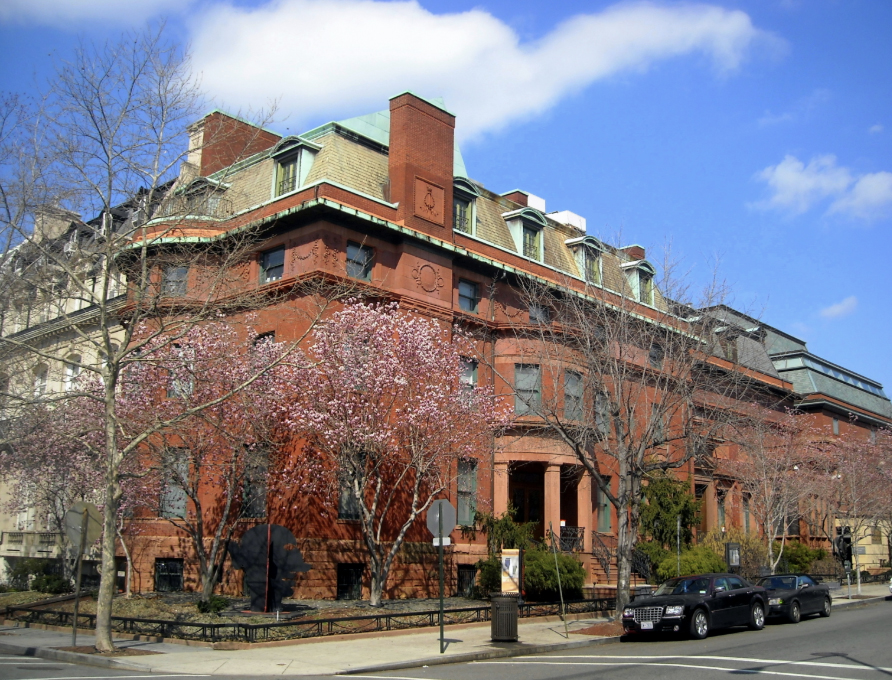
One location students looked at was the I Street rowhouse that is the home of the Moy Family Association. While the building used to be at the heart of DC’s thriving Chinatown, Chang described it as “decaying.” Chang emphasized that this pattern was repeated, and the “neighborhood is a shadow of what it once was.”
International pressure has also impacted Chinatowns across the country. Historically, Chinatown residents have been supportive of Taiwan because many had fled from China, but more recently, according to the 1882 Foundation, “the Chinese Communist Party has been infiltrating Chinatowns” to exert its influence on the Chinese diaspora. Chang explained that, as a result, new People’s Republic of China flags are often seen hanging alongside old Taiwanese flags.
Senior Colette Lee said the trip was “really fun and interesting,” and Chang appreciated the ease of taking the Metro down to Chinatown. Wang thought it was successful in giving students a sense of what Washington’s Chinatown is really like, and hopes the field trip can continue in the future.