















Leader of the notorious Jalisco New Generation Drug Cartel (CJNG), Nemesio Oseguera Cervantes, also known as “El Mencho,” was killed during a Mexican Army security operation in the small town of Tapalpa, Jalisco on Feb. 22. Oseguera, known for being the mastermind behind CJNG’s criminal enterprise, has led it for over a decade since its emergence in 2009, and has grown it into one of Mexico’s largest and most dangerous cartels.
CJNG is a key supplier of drugs globally, operating in over 40 different countries, and earna billions from its production and trafficking of synthetic drugs, particularly methamphetamine and fentanyl. Under El Mencho’s leadership, the cartel expanded into extortion, fuel theft and human trafficking. Prior to his death, the U.S. State Department had offered up to 15 million dollars for information leading to his arrest.
According to official accounts from the Mexican Government, the Mexican military, aided by support from U.S. intelligence agencies, carried out a coordinated raid on a compound in Tapalpa, after months of intelligence gathering and surveillance. Authorities stated that Mexican special forces units surrounded this property in an attempt to capture Oseugueeura alive. According to authorities, a confrontation later broke out between security forces and armed cartel members guarding the site. During the shootout, El Mencho suffered a serious wound and died while being transported by air to Mexico City for medical attention.
The Mexican defense ministry said several alleged cartel members, as well as weapons, vehicles and communication equipment, were seized in the operation.
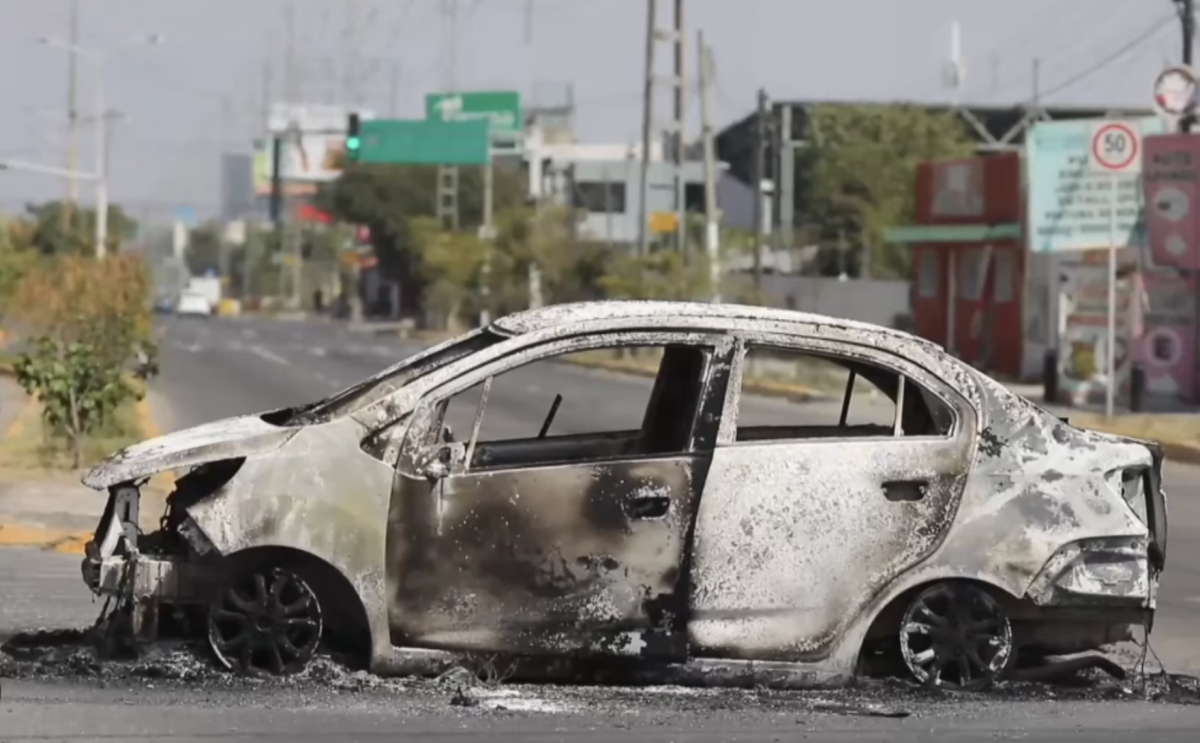
News of Oseguera’s death spread rapidly across Mexico, causing widespread chaos resulting in gang retaliations. CNN reported that vehicles were set on fire to block roads and highways and additional federal security forces were needed to restore order across eight states after forces were being attacked.
In response, U.S. tourists faced significant security concerns, especially in tourist destinations such as Puerto Vallarta. Many flights to and from Mexico were also canceled, stranding many tourists in potentially dangerous areas. The U.S. State Department urged Americans to “shelter in place” after receiving hundreds of calls to their 24/7 crisis hotline.
A power struggle is expected to emerge within CJNG because it relied heavily on Oseguera’s centralized leadership, giving both the government and rival gangs time to exploit this weakness. Besides Mexico, countries like Ecuador and Colombia, which are part of CJNG’s criminal network, are also expected to experience an increased amount of violence in the near future due to territorial disputes. CJNG’s biggest rival, the Sinaloa cartel, has begun to make moves in the contested area of Tijuana, and has also begun reconstructing both their territory and leadership in Ecuador and Colombia.
An Enkoll Poll conducted for El País found that Mexican president Claudia Sheinbaum has received a boost in approval rating up to 75% following Oseguera’s death. However, insecurity from drug trafficking is still reported to be one of Sheinbaum’s biggest challenges.
“The cartels are running Mexico, she’s not running Mexico,” Trump said in a January interview with Fox News. Sheinbaum has declined many offerings of military assistance from the U.S., viewing the Trump administration as too involved in its security matters, and not wanting foreign troops on Mexican soil.
Oseguera’s death comes at an especially vulnerable time for Mexico as Sheinbaum is in her first year of her administration and World Cup games will be played in Guadalajara this summer. Chris Dalby, senior analyst for Dyami Security Intelligence noted that the violence might hold negative implications for Mexico’s tourism industry. Dalby told CNN that he “completely understand[s] anyone who had tickets for those games who decides not to go, when four months before the game, they see the city on fire.”
According to the New Yorker, while Oseguera’s death may reduce narco-violence, the brutal drug-trafficking styles he pioneered, including recruitment of children, are likely to be continued by a new generation.