


























FIFA World Cup ticket prices have reached a level that is completely unreasonable for the average person to afford. A major component of soccer is its ability to bring fans together across the world, yet high ticket prices pose a significant barrier to that mission.
As a country, the United States has failed to protect fans from price gouging while trying to see their favorite sports teams and artists. This issue stems from the lack of laws regulating the reselling of tickets for profit.
At many concerts and events, resale prices for tickets are often double the original ticket cost.
In contrast, countries like the United Kingdom have laws making reselling tickets for profit illegal. Such policies are positive decisions that allow all fans to attend major events rather than simply those with the money to pay exorbitant prices.
According to The New York Times, North American sporting events tend to have higher price tags than those in other parts of the world.
Thus, the fault for the high prices does not lie solely with FIFA but also with the for-profit resale system for events in the United States. However, since the World Cup is a global sporting event, the fact that these high ticket prices exclude international fans — who also have to pay for travel — directly contradicts soccer’s core message of bringing people together through a shared love of the game.
Furthermore, issues involving FIFA have been ongoing. Many fans were critical of FIFA’s choice to host the 2022 World Cup in Qatar, a country known to disregard the rights of migrant workers. The United States has also received backlash from international fans regarding safety amid the Trump administration’s inhumane detention and deportation of undocumented immigrants, as well as the detention and killing of American citizens.
These controversies reinforced the widespread perception that FIFA cares more about the profits from the host country’s bid than about the people or the sport.
For the first time, FIFA has implemented a dynamic pricing system that adjusts ticket prices based on demand. According to The New York Times, overall ticket prices have risen 34% between October, when tickets first went on sale, and April.
While there is an undeniably high demand for the World Cup, the original prices set by FIFA were already record highs and have continued to skyrocket, according to Sports Illustrated.
FIFA reports that the 2022 World Cup reached more than 3.5 billion viewers globally. An event this big should be accessible to everybody, not just people with thousands of dollars to pay for a single ticket.
Associated Press reports that originally, the highest-priced World Cup final tickets were $8,680. Now, original ticket prices have jumped to nearly $11,000.
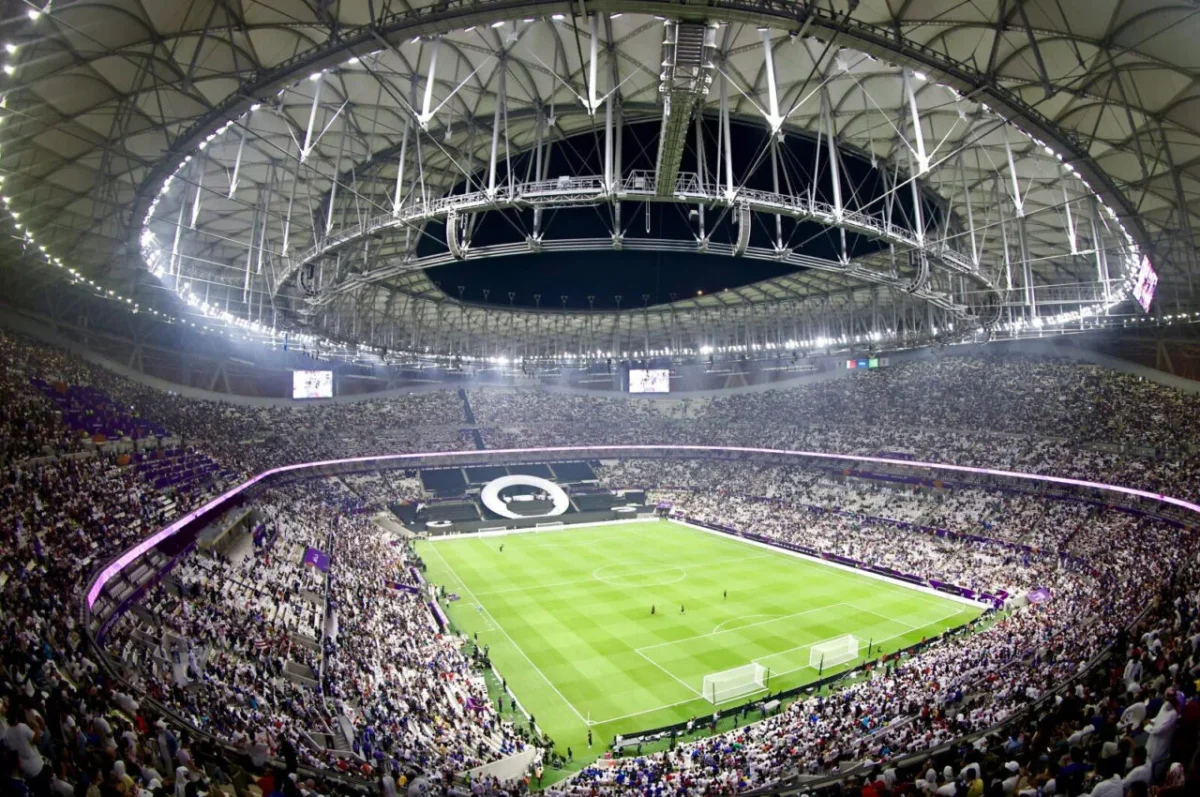
By comparison, the 2022 World Cup final in Qatar had tickets maxing out around $1,600, according to Sports Illustrated — an understandable price for the finals of the biggest sporting event in the world.
The New York Times reports that round-of-32 World Cup match tickets are now priced higher than the 2022 final tickets.
Attending the World Cup now is something that has been limited to the upper class with the high ticket prices, starkly opposing the unity supposed to be achieved through soccer.
Finally, the high prices of hotels and transportation in many of the cities holding matches contribute to the inaccessibility of attending a World Cup game.
Miami and Los Angeles, for example, are already large tourist destinations and are heavily car-dependent cities, making hotel prices even higher and suggesting long travel times and heavy traffic to get to the stadiums.
The financial burden of attending the 2026 World Cup will be unlike that of any other sporting event or World Cup in history.
The World Cup and soccer overall are meant to unify the world, but the unreasonable ticket prices are making it an exclusive event for the rich rather than the global unifier that soccer truly represents.