






















In a recent conversation with Matthew McConaughey for a CNN and Variety town hall event, actor Timothée Chalamet declared that he would not want to work in ballet or opera, art forms where the mission has become to “keep this thing alive” even though “no one cares about this anymore.” The backlash was swift and strong, with the Royal Ballet and Opera, the Metropolitan Opera and the English National Opera all issuing public responses, and individual performers like New York City Ballet principal Megan Fairchild and opera singer Isabel Leonard condemning his remarks. However, behind the controversy lies an uncomfortable truth. The statistics overwhelmingly support Chalamet’s argument. Ballet and opera are in decline, and film remains the dominant art form by an enormous margin.
Firstly, the data paints a bleak picture for ballet and opera attendance in the United States. According to the National Endowment for the Arts’ Survey of Public Participation in the Arts, ballet attendance has fallen by 52% since 1982. As of 2022, only 2% of the U.S. adult population attended a ballet performance, and a mere 0.7% attended an opera. Attendance for both art forms nearly halved just between 2017 and 2022. Half of the 150 ballet companies surveyed in the U.S. were operating at a deficit in the 2023 fiscal year, and Australia’s national ballet company reported that without philanthropic donations, it would be in a dire financial position. These are not the markings of thriving industries. These are indications of art forms on life support—precisely as Chalamet described.
By contrast, film remains enormously popular. In 1982, 63% of U.S. adults attended movie screenings. While theatrical moviegoing has faced its own challenges in the streaming era, cultural phenomena like “Barbenheimer” have helped to rejuvenate the industry. Young people continuing to turn out for films they care about all demonstrate that cinema holds a level of importance that ballet and opera simply do not. A movie ticket in New York City costs around twenty dollars. The cheapest rush tickets to New York City Ballet, available only to patrons aged 13 to 30, start at thirty dollars, and standard pricing is far steeper. Film is simply more accessible to the average person, both financially and culturally.
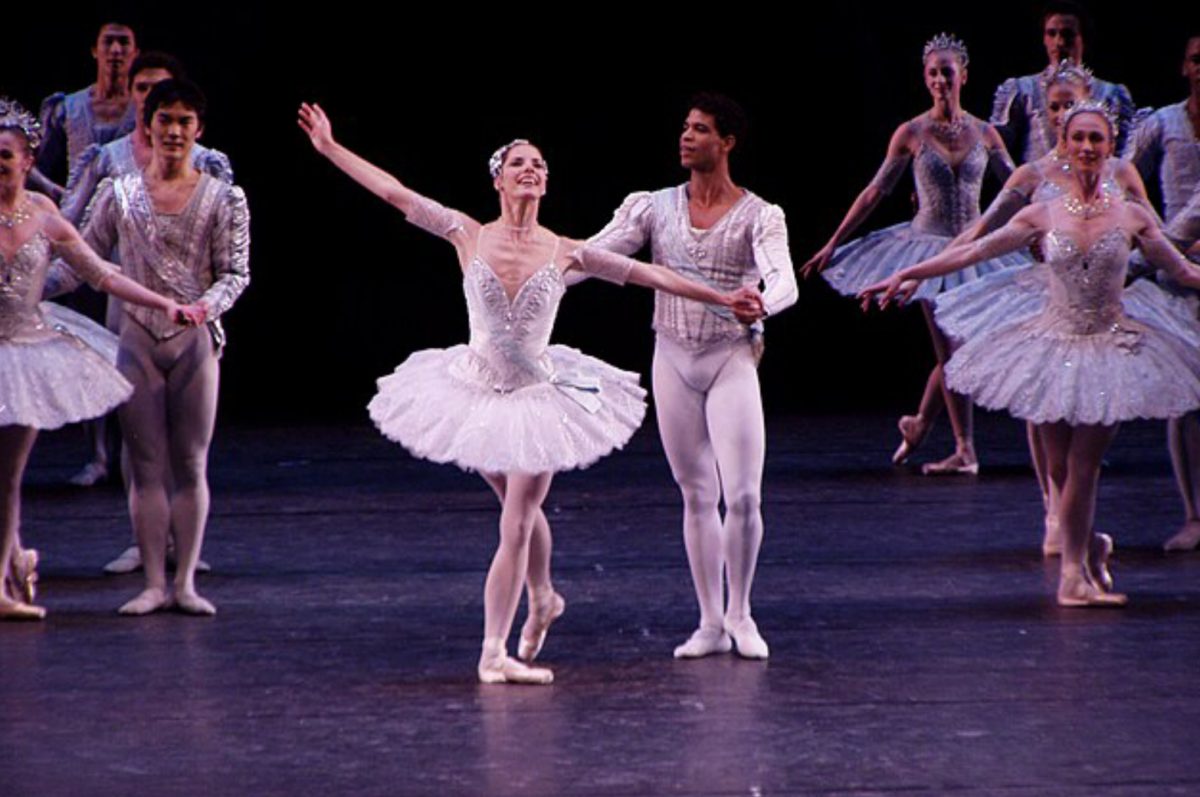
Additionally, much of the decline of ballet and opera is self-inflicted. As TIME’s Marina Harss noted, ballet’s stories remain largely stale. The most celebrated and commercially reliable productions are centuries-old fairytales about straight couples in which the woman dies, is turned into a bird, or both. The art form’s obsession with elite-level perfection can make it unwelcoming to casual audiences, and low wages force many professional dancers to claim unemployment benefits or take side jobs during the off-season. Opera faces similar structural challenges, struggling to balance artistic integrity with the market realities of filling seats. These are not problems that a single actor’s comments created. They are deep, institutional failures that the ballet and opera communities have been slow to address. In comparison, film tells a variety of real world stories that may resonate more with audiences.
Ultimately, Chalamet’s comments were blunt and tactless for an actor days away from the Oscars. However, this tactlessness does not make his statement wrong. Ballet and opera have been losing audiences for four decades, and the trend shows no sign of reversing. Rather than channeling their energy into chiming back at a movie star on Instagram, the ballet and opera communities would be better served by confronting the systemic issues driving their audiences away. If people want to see something, as Chalamet put it, they will go out of their way to see it. The question ballet and opera must ask themselves is not whether Chalamet was rude, but why fewer and fewer people are showing up.