












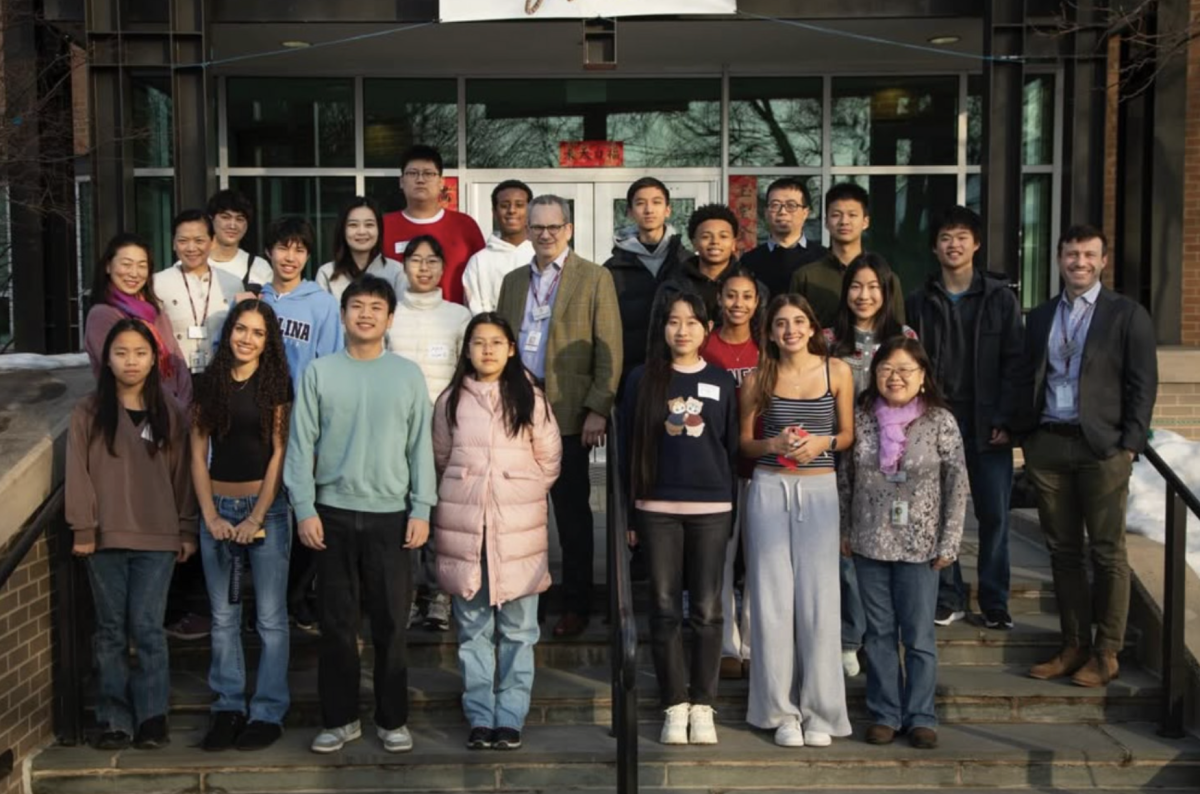
On Feb. 11, students from Sidwell’s sister school in Shanghai, China, flew to the U.S. and visited Sidwell for the day. The school, Fudan Fuzhong, established a relationship with Sidwell in 1990 and, more recently, began sending students to visit Sidwell.
On each visit, every Fudan Fuzhong student is accompanied by a host student from Sidwell and shadows that student throughout the day. This year, the Fudan Fuzhong students visited during Sidwell’s Healthy Relationships seminars, shadowing Sidwell’s host students throughout their Healthy Relationship sessions and two academic periods.
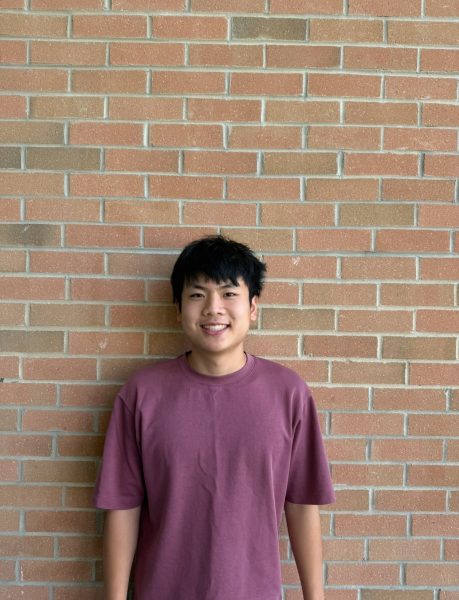
The program was established to foster connections between students from the U.S. and China. Throughout the day, the students shared aspects of their culture and lives as they spent time together. Sophomore Evan Tan said the most memorable moment of the day for him was during lunch, when his buddy and he were discussing the differences between American and Chinese lunches.
Tan also learned that many Chinese students believed American school lunches were low quality. This struck Tan as particularly interesting, as he realized how easily stereotypes and informal impressions can shape perceptions of another country. Tan explains that this moment demonstrated how “cultural differences can shape our perception of different societies in ways that are often not true.”
After lunch, the buddies continued to shadow the students in their classes. Junior Amika Bibolov, whose buddy shadowed him during his English class, recalls that his buddy was surprised and impressed by how free and open the class was run, and how students could volunteer, express their ideas and even contradict each other during class.
Bibolov added that he was surprised by the differences in their education. China’s education system uses one entrance exam, called the gaokao, to determine college admissions. Because of this system, Bibolov explained that their schedules are busier than he had previously thought. This was especially true because his buddy was in her last two years of high school, meaning all her time was devoted to studying for the gaokao.
He said that while his buddy used to play sports, she quit to attend cram school — a private school designed to prepare students for the gaokao — for the last two years of high school.
Tan and senior Eyob Sisay agreed with this and noted that the length of their school day surprised them. Tan explains that the students at Fudan Fuzhong start school at 7 or 8 in the morning and end at 7 or 8 at night.
At the end of the visit, all the students gathered to share the highlights of the day and what they took away. Language Department Head and Interim Director of Chinese Studies Qihui Tang adds that during the reflection period, she was amazed by how much the students connected with one another in just one day. She stated that “the friendship that the students have established within this short day — it’s amazing.”
In addition, Tang explained that this type of exchange program fosters personal growth as a global citizen, as hosting a dialogue between students from different backgrounds creates a deeper understanding of other cultures and perspectives.
Sisay added that his biggest takeaway of the day was that through conversations, people can discover their similarities. He explains that the media and the geopolitical atmosphere often emphasize the competition and divide between the U.S. and China. But in his experience, “American and Chinese people have a lot in common and can learn from each other through dialogue.”
Bibolov agreed that the biggest takeaway of the day for him was also the surprising number of similarities held between Sidwell students and students from Fudan Fuzhong. He explains that, due to differences in culture and education, students should theoretically have a lot of differences, “but yet, all these people are just normal kids like us.”
Tang added that this visit is particularly memorable because it is the first year since the COVID-19 pandemic that students from Fudan Fuzhong visited Sidwell. In previous years, students from China visited every winter break and stayed with host families in Washington for five days, but the pandemic halted the program.
Tang said she hopes to continue facilitating these types of exchange programs in which students from China meet and engage with Sidwell students in future years. She explains that they are now exploring the possibility of resuming the host family program. She also noted that Sidwell’s middle school minimester trip to China, canceled during COVID, may resume in 2027, alongside a possible China trip to Sidwell’s sister schools in the summer of 2027.