










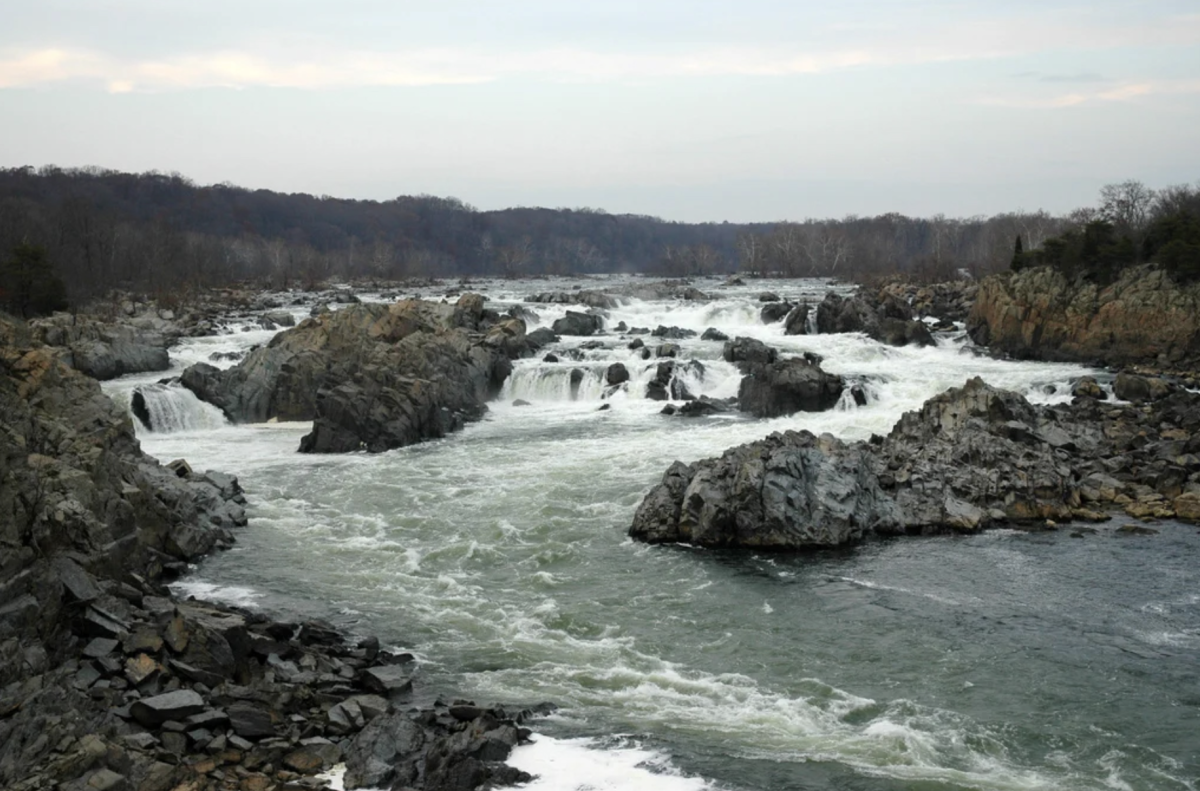
On Feb. 21, President Donald Trump declared a federal emergency following a massive sewage spill into the Potomac River. The rupture occurred on Jan. 19 along the Clara Barton Parkway within the C&O Canal National Historical Park, when a major wastewater pipe, the Potomac Interceptor, burst.
The break released more than 240 million gallons of untreated sewage into the river before a temporary containment system was installed, making it one of the largest sewage spills in U.S. history. The emergency declaration authorizes the Federal Emergency Management Agency to assist with cleanup and support efforts in the Washington metropolitan area in coordination with DC Water and the Environmental Protection Agency (EPA).
Washington Mayor Muriel Bowser declared the event a public emergency, requesting federal emergency disaster relief, support from federal agencies and full reimbursement for repair costs. Although the pipe ruptured in Maryland, it was owned and maintained by DC Water. The Washington Department of Energy and Environment (DOEE) also made statements cautioning against contact with the river.
One of the primary concerns among scientists is the release of E. coli bacteria into the Potomac River. Local officials and independent researchers have conducted water tests at multiple locations along the river. DC Water said bacterial levels at several downstream sites have generally remained within Environmental Protection Agency safety standards, with only a few isolated exceptions.
Researchers from the University of Maryland detected bacterial concentrations more than 10,000 times higher than the EPA standard near the point where the sewage entered the river shortly after the rupture. A week later, samples taken farther downstream measured about 1.5 times the standard, a significant decrease. There has been no effect on the local drinking water, which runs through separate systems, the DOEE said. However, both the DOEE and the Virginia Department of Health advised citizens and pets to avoid contact with the river.
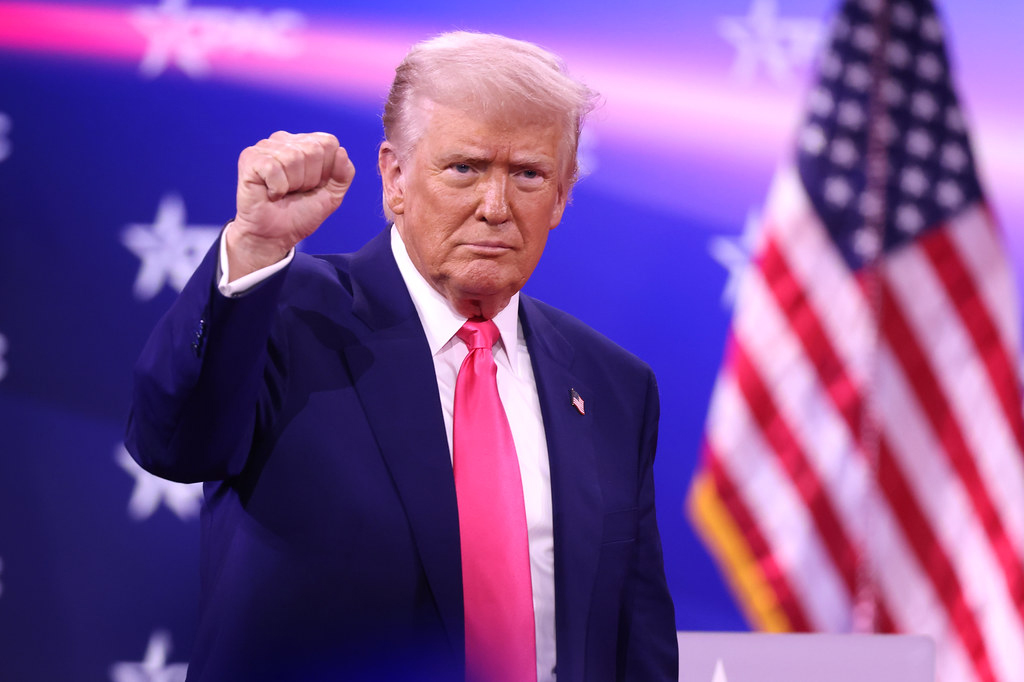
Trump blamed local officials including Maryland Governor Wes Moore and Virginia Governor Abigail Spanberger for the incident. On Truth Social, Trump wrote that the spill was a result of “Gross Mismanagement of Local Democrat Leaders, particularly, Governor Wes Moore,” and stated that he is deploying federal authorities to compensate for the “Local Authorities [who] cannot adequately handle [the] calamity.”
In response, a spokesperson for Moore blamed Trump and the federal administration for the spill, saying “the federal government [is] responsible for the Potomac Interceptor” and that “the Trump Administration has failed to act, shirking its responsibility and putting people’s health at risk.”
Sophomore Emmett Bailen said that officials “should be working to get the sewage out of the river instead of bickering.” Bailen also mentioned the history of tension between Trump and Moore, after Trump recently denied Moore an invitation to a White House Dinner for the National Governors Association in February.
Sophomore Andrew Kim said that he used to “go [on] runs along the C&O Canal” but no longer “[feels] safe doing that because of the sewage.” He added that the federal government “needs to step in” because “a lot of the responsibility has been taken on by Maryland, [even though] it is [within] federal jurisdiction.”
In addition, the release of sewage into the river threatens local ecosystems. According to an NPR interview with Gary Belan, senior director of the clean water program at American Rivers, humans also release pharmaceutical products and chemicals into the sewage system, all of which “can sink to the bottom of the river, [and] have impacts on fish reproduction, bird reproduction, killing a lot of the insects, contaminating the soil.”
Tim Blanchard, captain of a local boat service, said he doesn’t have any bookings for the shad run in March, which could amount to a potential loss of $40,000.
On Feb. 6, DC Water released an estimate for the timeline for a temporary reconstruction, approximately four to six weeks, while permanent repairs could take up to nine months. DC Water also reported that it reserved around $600 million for repairs, with an emphasis on worker safety and wastewater management. The incident also opens the field to broader concerns about aging infrastructure nationwide, which was often constructed decades ago without regard for environmental standards, population growth and climate pressures.
According to Washington’s Department of Energy and Environment, the spill was contained and no new overflow has been reported since Feb. 9.