








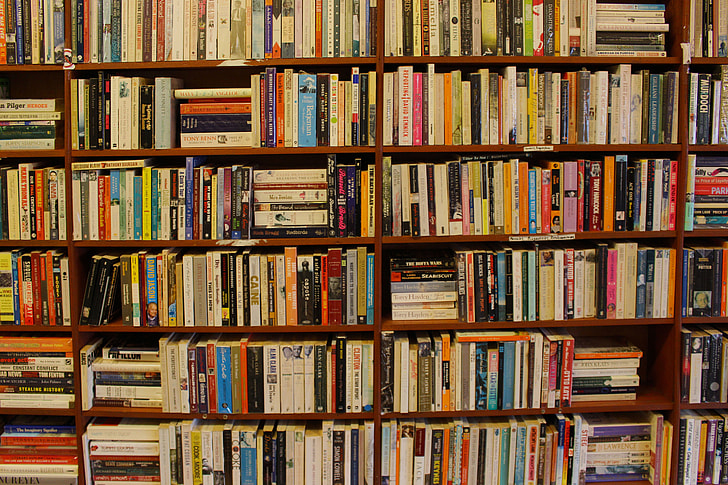



Sidwell’s library is currently undergoing a massive reorganization, according to Sidwell Librarian Stephanie Gamble. As the library transitions from using the Dewey Decimal System of Classification to the Library of Congress Classification to label its nonfiction books, librarians have prohibited students from sitting near certain shelves and have culled many works from Sidwell’s over 20,000-volume collection.
In an interview with Horizon, Gamble said that plans for library reforms began soon after she came to Sidwell in 2019.
“University libraries use Library of Congress as our classification system. And so when I got here and was back at Dewey, there were things that just like didn’t make sense to me,” Gamble said, noting that the Dewey Decimal System’s inconsistencies “were sort of disruptive to the ways students were doing research.” Gamble cited the placement of books on the Civil Rights Movement as an example of these flaws — under the Dewey Decimal System, these books are spread out between “six different locations within the stacks” in a way that “feel[s] unnatural to the way the research process happens.”
Backlash among librarians to the Dewey System, according to Gamble, is widespread.
“In the library community, there’s a lot of calls to get rid of or move away from [Melvil] Dewey,” the developer of the system, Gamble said. “He was a very problematic human, and so having his name on the system is something that a lot of us don’t feel awesome about.”
Gamble noted that these issues are “reflected in the system itself:” of the numbers categorizing books on religion, for example, 90% are devoted solely to Christianity. Literature is classified similarly, Gamble said, with the majority of numbers reserved for European literature and other world literature relegated to “this last little bit at the end.”
Though the Library of Congress classification has its own “set [of] biases,” like “any categorization of knowledge,” Gamble said, she anticipates that its institution will have “subtle payoffs,” citing its “flexib[ility]” and inclusion of publication years.
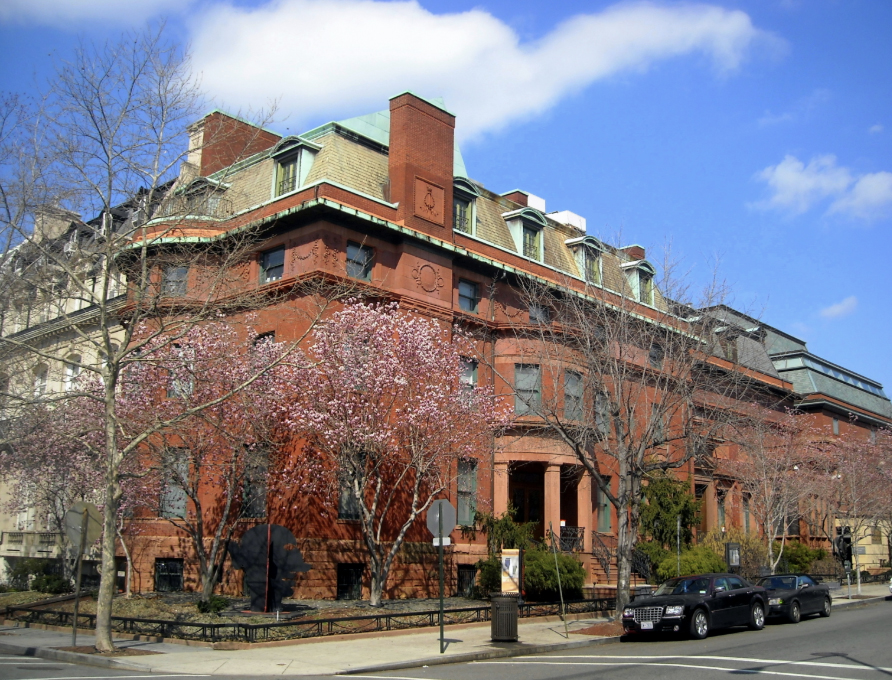
“Thinking about… preparing students to do college-level research,” Gamble decided to “switch systems,” a process that no librarian at other high schools she had contacted had undertaken. At first, the reorganization was hindered by the software, as the library’s software lacked the necessary capabilities to efficiently coordinate it. With updates, though, and the Upper School’s move to the Upton Building approaching, this year “seemed like the right time to finally dive in and do it,” Gamble said.
Many of the “back-end” library reforms, such as importing the Library of Congress call numbers for non-fiction books into Sidwell’s catalog, a process spearheaded by Library Assistant Savanna Richie, are already complete. Archives and Upper School Library Associate Ian Sylvester has also been, according to Gamble, “a huge help” throughout the transition. While going through the catalog, librarians have also “weeded” books, removing books with outdated scientific information and “history books that have problematic views because they are so old.” What remains to be done is finishing labeling every nonfiction book — which librarians and sophomores in work programs “on loan” to the library are currently working on — and organizing books in the Library of Congress Classification System, an effort that, among special collections like the Chinese Studies collection, will continue in the Upton Building.
Shortly before the end of the school year, librarians plan to move the newly organized books to the Upton Building, emptying the library’s stacks more than 50 years after it was first built.
In an interview with Horizon, freshman Adrian Estrada said that he was satisfied with reorganization efforts so far, noting that the library does “a pretty good job maintaining a structure where we can find the books” and complimenting the quality of its website. The library’s work, Estrada said, is a “great help.”