






























On Jan. 7, a new outbreak of measles was confirmed in the Washington area. According to ABC News, the news surprised residents because measles was eliminated in 2000 due to a 12-month continuous period without any confirmed cases of the disease. In 2015, however, a case was confirmed, an event which caused lots of media attention.
Since then, measles cases have been rare and mainly connected to international travel incidents. Recently, a measles case was confirmed in Reagan National airport and officials raised concerns about how infectious diseases as a whole are at risk of being spread through major transportation hubs. Consequently, multiple cases broke out in the Washington, Maryland and Virginia region. The cases were quickly contained by health care officials and the last reported case took place in June 2025.
Experts believe that the reason for a rise in measles cases in the United States is connected to lower vaccination rates. The National Library of Medicine found that during the COVID-19 pandemic, many healthcare routines were disrupted, making access to healthcare more difficult than before, a problem that continues to affect vaccination rates of the measles, mumps and rubella vaccines. The issue of reduced healthcare access coupled with hesitancy to receive vaccinations due to misinformation drives this issue and the recent outbreaks.
The Maryland Health department announced the first cases of measles on Jan. 7 and 8 involving patients who used multiple forms of public transportation. Healthcare officials shared that the infected patients had used both Amtrak and BWI shuttles. These forms of transportation became an increasing concern for potential exposure of this infectious disease.
Other patient cases were then confirmed to have public transportation as possible exposure sites. On Jan. 21, DC Health announced that there were multiple contagious cases of measles that had visited several locations throughout Washington. These individuals also used the Red and Yellow routes of the Washington Metro system for transportation. Some of the confirmed cases were reported to have visited Catholic University and came in contact with people on the campus. The patients were on the campus during varying times from Saturday, Jan. 24 to Sunday, Jan. 25.
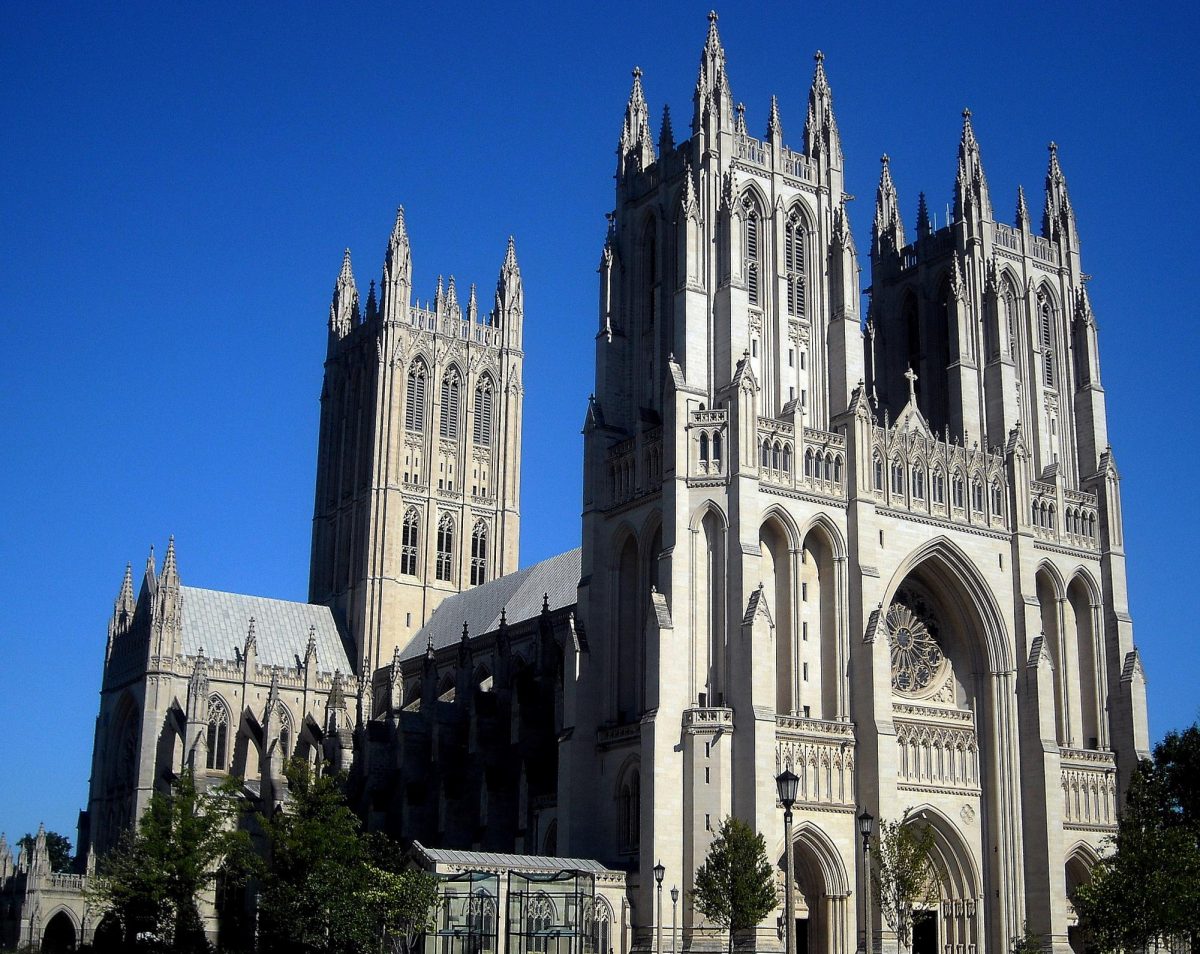
One individual appeared at Reagan National Airport the next day causing health officials to issue a warning for anybody inside the airport on Jan. 26. Another exposure site was identified as the Basilica of the National Shrine of the Immaculate Conception on Jan. 21, as this was the first exposure site of a contagious individual in Washington.
Following these events, multiple children under the age of five became exposed and contracted measles. Young children remain especially vulnerable to measles because they may not have received a full vaccination yet. One such case was confirmed at Children’s National Hospital on Monday, Feb. 2. The last case was confirmed on Feb. 21 in Northern Virginia. The patient was a resident of Virginia, but worked in Maryland and potentially contaminated their Bethesda office.
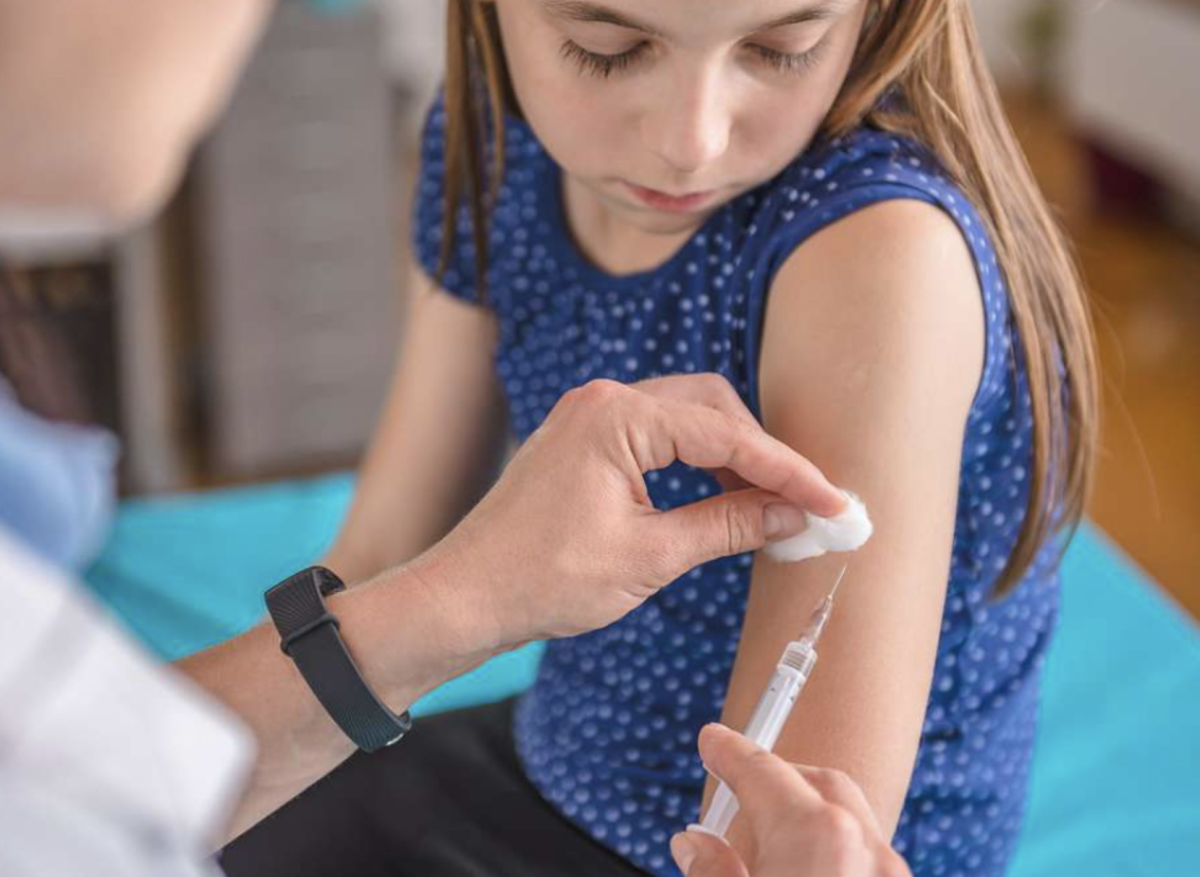
Although measles is a highly contagious disease, the vaccine remains highly effective. Any person with two doses of the vaccine is determined to be at extremely low risk of contracting measles. An individual with one vaccine dosage or someone born before 1957 is also at very low risk of becoming infected with the Measles virus due to partial immunity or exposure earlier in their lifetime. People without any vaccination or compromised immune systems are at extremely high risk for contracting the disease.
Many patients begin to experience symptoms such as a fever greater than 101 degrees, a runny nose, watery eyes and a cough in the first stages. These symptoms are commonly confused with a bad cold, the flu and other infections but proceed with the typical second stage symptoms. The second stage of the measles infection takes three to five days to progress after the first stage and includes a rash that spreads from face to body. The contagious period of an infected individual occurs four days before the rash appears and four days after.
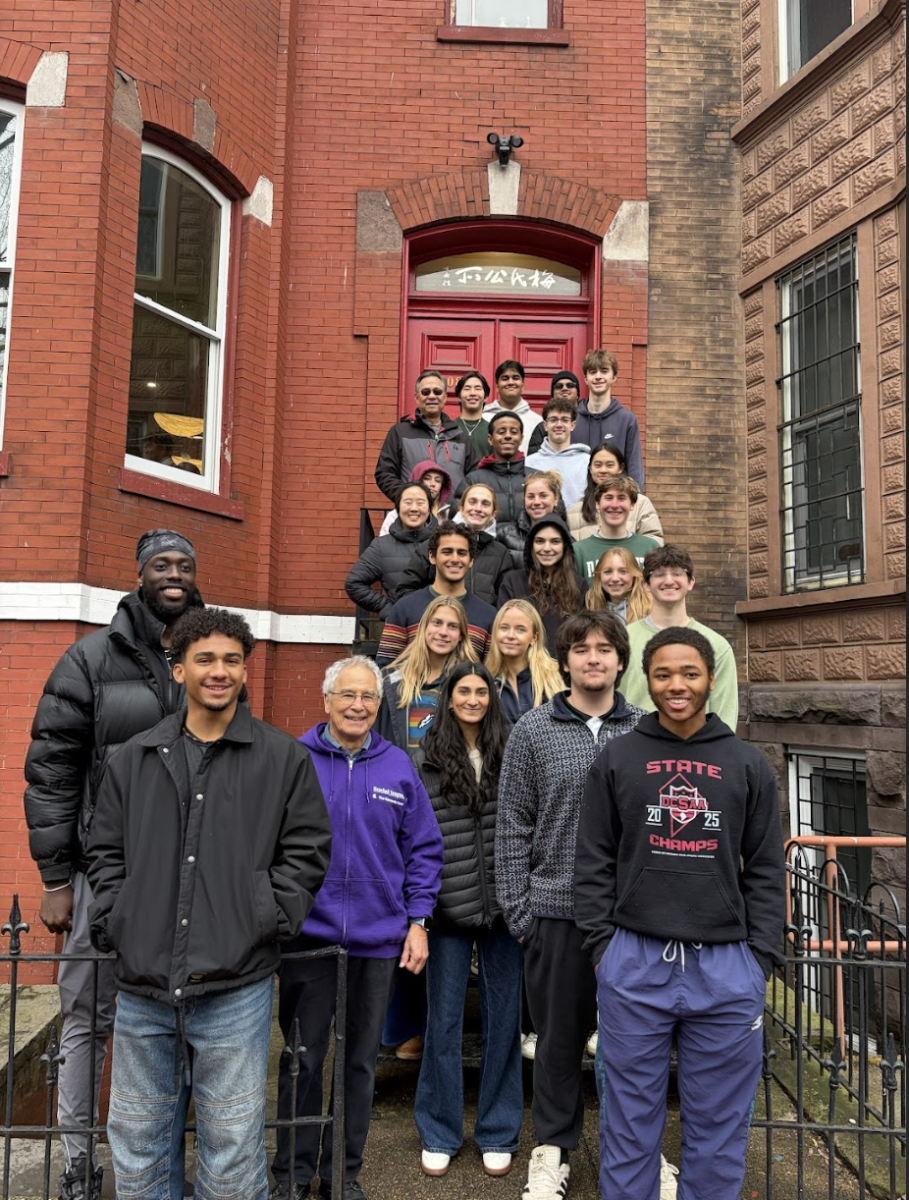
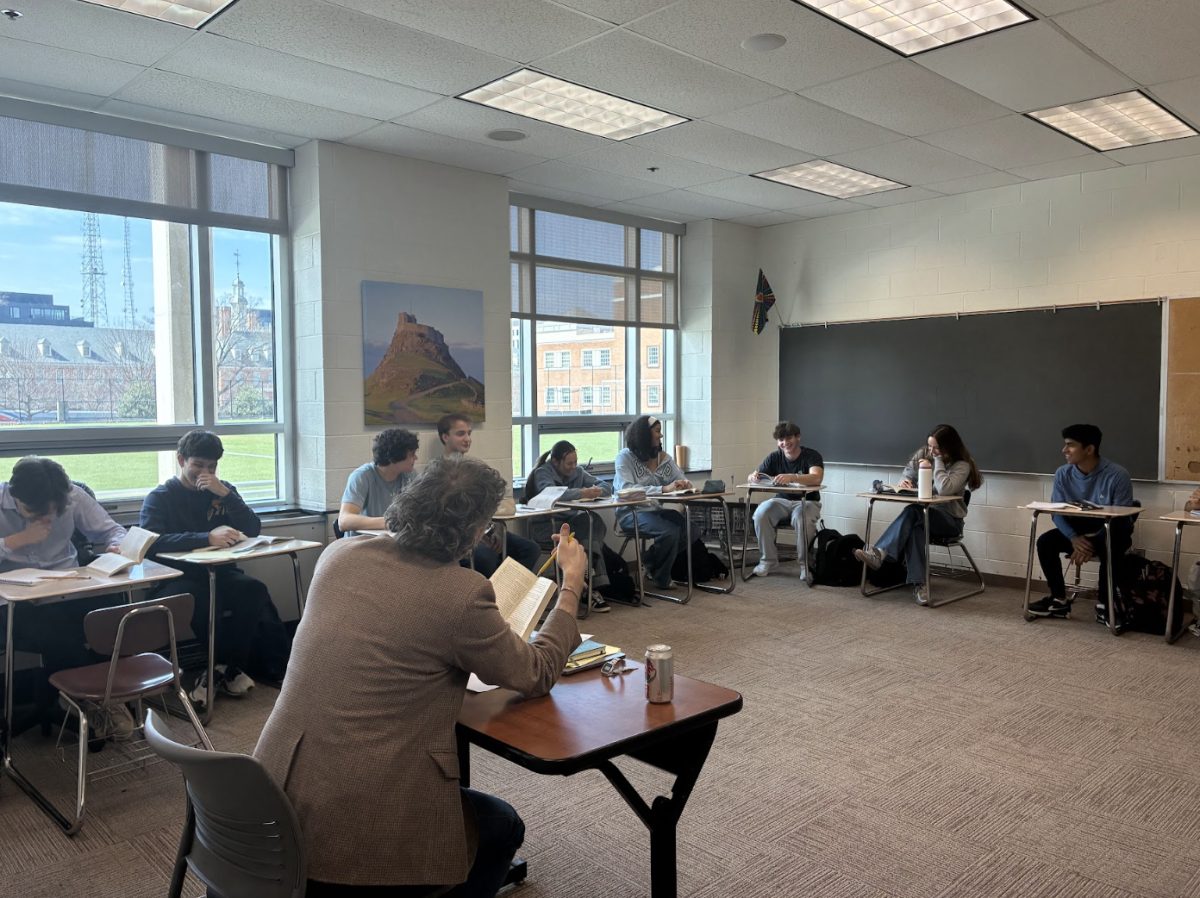
While some Sidwell students expressed concern, others said the situation had little effect on their daily lives. “I don’t feel that the case has had a big impact on my life,” commented sophomore Alexander Speece. He explained that all Sidwell and District of Columbia Public School students are required to receive measles, mumps and rubella vaccines which provide immunity.
Sophomore Anderson Campello similarly said, “They have a vaccine for that so I’m chill.” Despite the calm reactions from some students, public health experts continue to stress the importance of vaccination. While measles outbreaks remain relatively uncommon in the United States, health officials warn that maintaining high vaccination rates is essential to preventing another outbreak in the future.