






























On Feb. 28, the United States and Israel launched a joint attack on Iran. The attack hit nuclear missile sites, the former Iranian Supreme Leader Ayatollah Ali Khamenei’s living compound and civilian infrastructure. The attack followed a monthlong series of threats made by President Donald Trump to bomb Iran if its leaders did not agree to U.S. demands for Iran to dismantle all nuclear infrastructure.
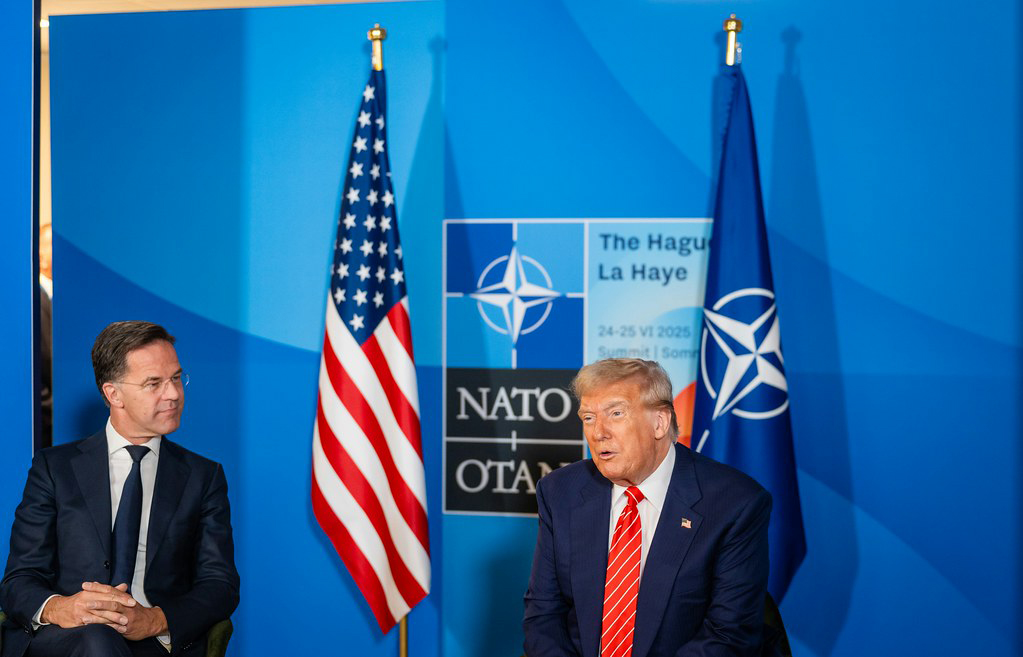
According to PBS, President Donald Trump said the attacks were performed in order to eliminate the “imminent threat” of Iran’s missile and navy forces and inspire rebellion that could lead to the toppling of the Iranian government. The attack killed the Iranian Supreme Leader Khamenei, in addition to other high-ranking officials.
Prior to the initial attacks, Israeli Prime Minister Benjamin Netanyahu said Israel was concerned that Iran was close to obtaining nuclear weapons. The U.S. and Israel began debating possible actions to restrict Iran’s nuclear capabilities in January.
In a social media post, Trump dismissed claims by Dan Caine, the country’s highest-ranking military officer, that the operation could lead to significant American casualties. Trump emphasized Caine’s statement that a conflict with Iran would be “something easily won” by the U.S.
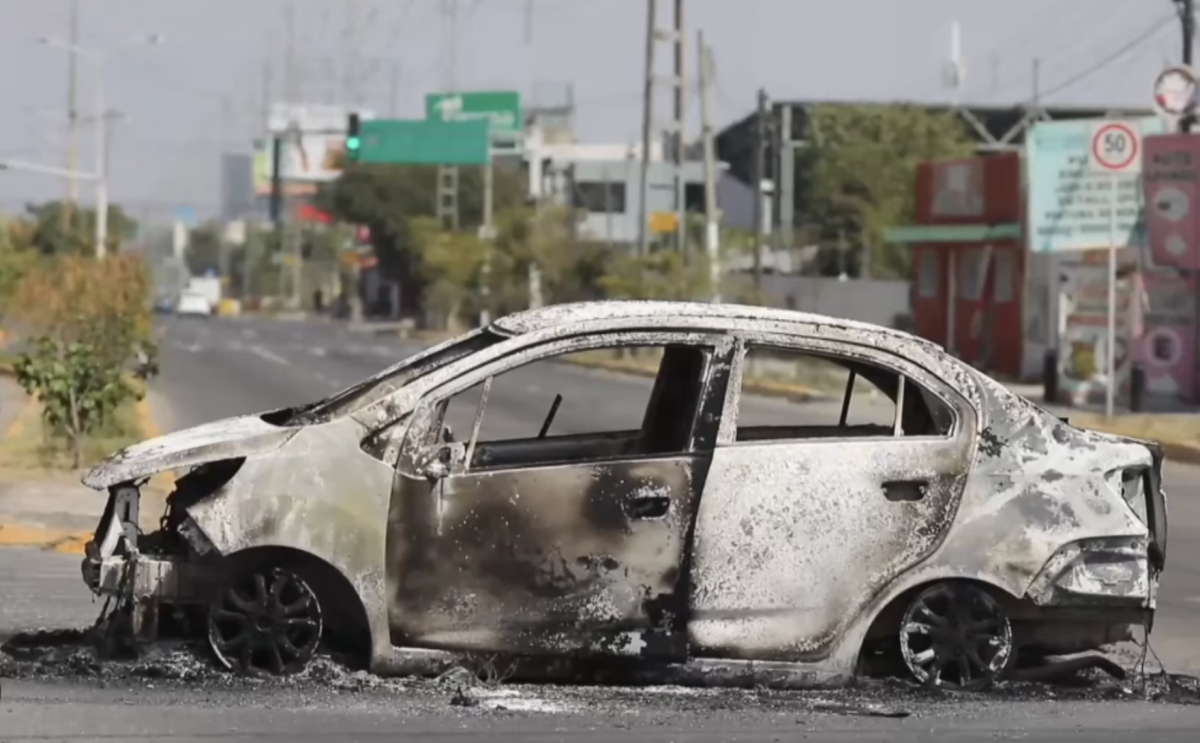
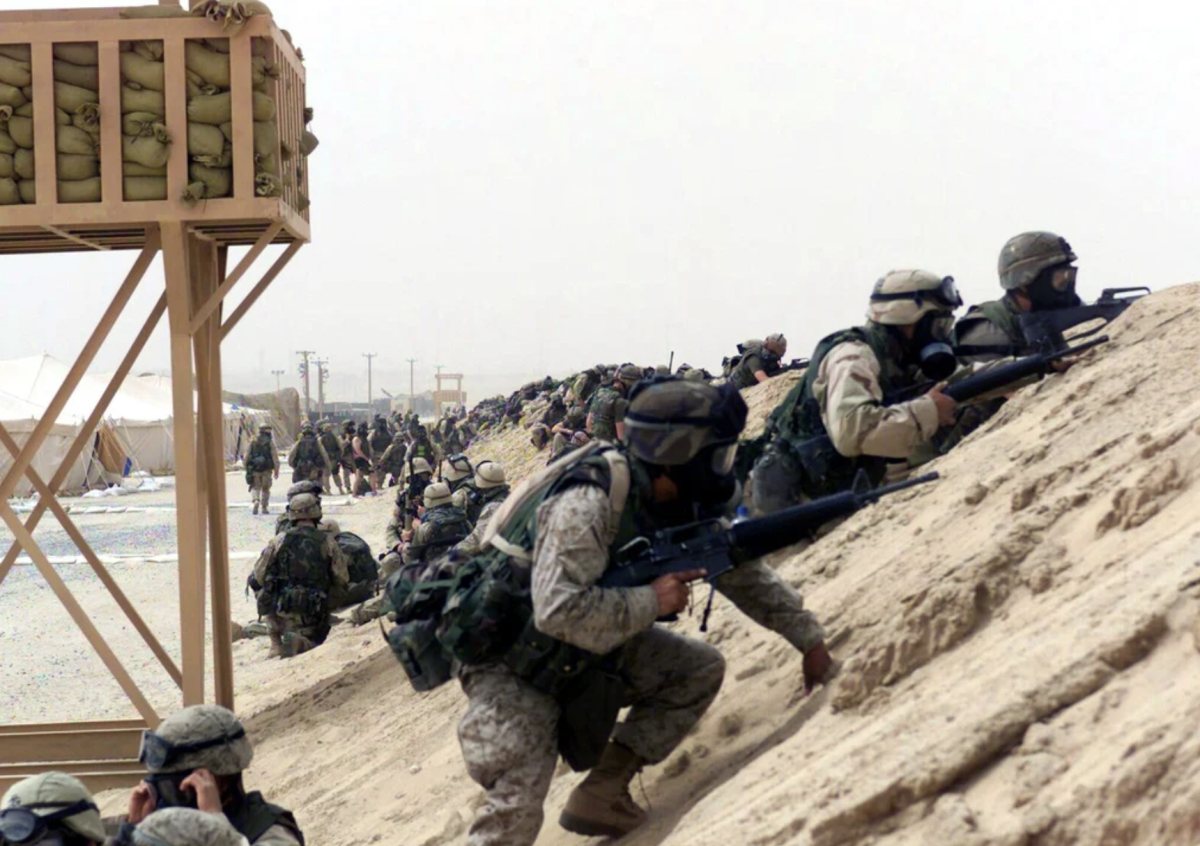
In retaliation for the attacks, Iran has bombed Israel along with many other Middle Eastern countries, especially the Gulf States including Bahrain, Qatar, Kuwait, Iraq and the United Arab Emirates that house U.S. military bases. Targets have mostly been military, civilian and energy infrastructure. In Kuwait, six U.S. soldiers have been confirmed to be killed in an Iranian drone strike.
Iran has also hit civilian infrastructure, such as Dubai International Airport and Abu Dhabi International Airport, key hubs for the influential Middle East-based airlines Emirates and Etihad. Qatar’s international airport was also targeted, but according to Qatari officials, the drones and missiles were deflected.
The State Department has urged U.S. citizens to evacuate the Middle East. However, airport and airspace closures have made this difficult, leaving many Americans stranded in an active warzone. According to the U.S. Department of State, the Department is chartering flights to the U.S. and has already evacuated over 9,000 U.S. citizens.
A statement from Iran’s Revolutionary Guards Corps stated that Khamenei’s death would only push Iran towards continuing in his principles. Furthermore, according to The New York Times, Iran has asked the United Nations Security Council to intervene, claiming that Israel and the United States violated international law in their attack. On March 8, the Iranian Assembly of Experts declared Khamenei’s son, Mojtaba Khamenei, the successor.
The U.S. Constitution grants Congress the power to declare war. However, the President’s power as Commander in Chief allows Trump to act during national emergencies and launch short-term military campaigns without prior congressional approval. Both the U.S. House of Representatives and the U.S. Senate introduced bills intended to halt Trump’s ability to continue his military campaign in Iran until he gets congressional approval.
The bills, blocked 219-to-212 and 53-to-47, fell mostly along party lines, with four Democrats joining Republicans to block the measure and two Republicans voting for the bill.
Before Mojtaba Khamenei was chosen, Trump repeatedly expressed his desire to have a role in choosing the country’s next leader. In an interview with Axios on March 5, Trump said the former Ayatollah’s son would be an “unacceptable” choice to fill the position of Iran’s next leader. He added that he will not accept a leader who would continue the late Khamenei’s policies.
More than 1,000 Iranians have been killed, including major civilian casualties. Verified videos by the BBC show that an Iranian primary school was the target of an attack, killing 168 people, most being children. Neither the United States nor Israel has assumed responsibility for the attack. U.S. Defense Secretary Pete Hegseth told the BBC that the U.S. is investigating the attack and that the U.S. military would never target civilians.