































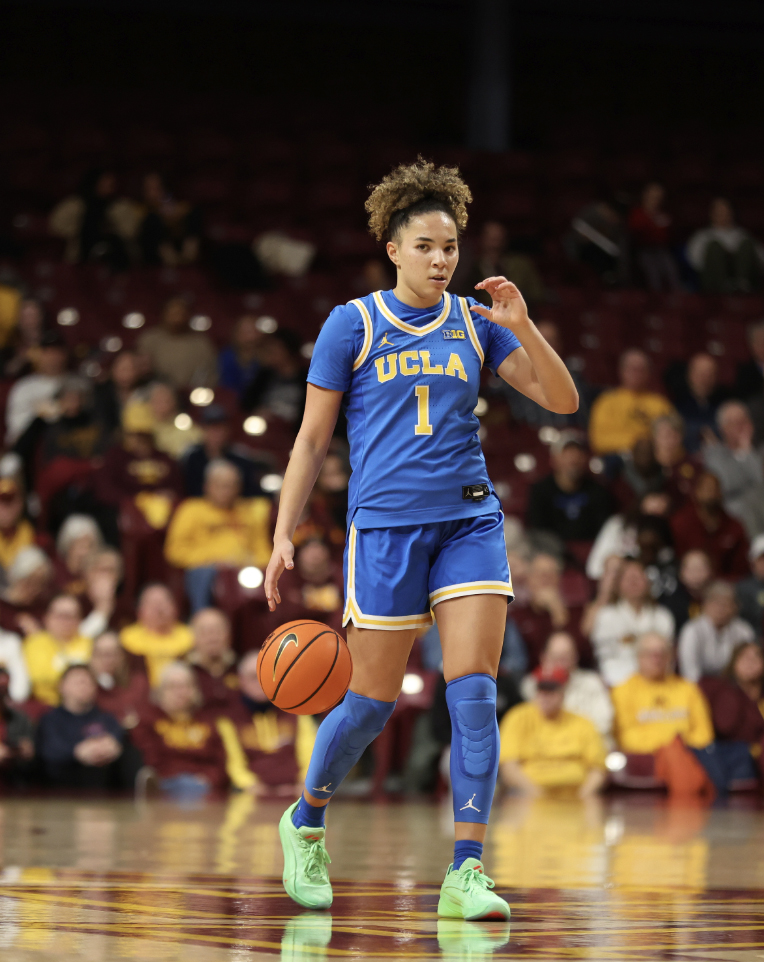



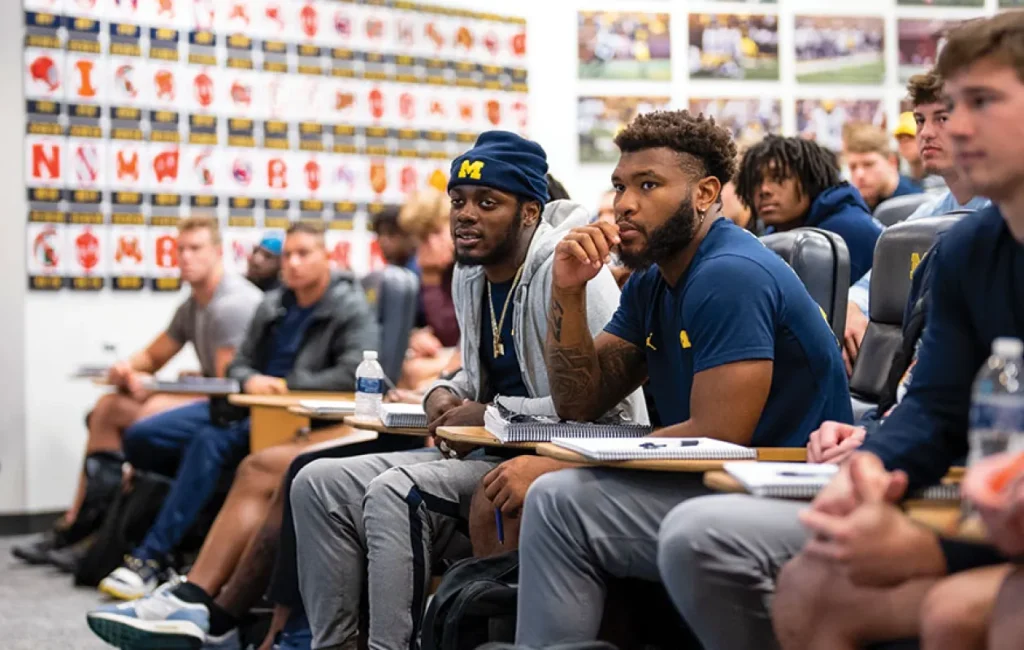
On April 6, the University of Michigan Wolverines basketball team defeated the UConn Huskies to win their second national championship in program history.
Michigan’s win not only solidified its standing as a national powerhouse but was also symbolic of the changing formula of success in today’s era of college basketball.
Michigan’s starting lineup, led by stars Elliot Cadeau and Yaxel Lendebourg, consisted entirely of transfer players who began their collegiate careers at other schools. This new path to success is largely due to the rise of Name Image Licensing (NIL) and the power that the transfer portal gives to players and schools with large athletic budgets.
The right to earn money from NIL was granted to college athletes in a 2021 court case. When the case ruled in favor of NIL, Senator Nancy Skinner of California said, “For far too long, the NCAA has pocketed billions off the hard work and talent of student-athletes while limiting the support colleges can provide and denying athletes any of that wealth.”
As larger schools can offer their athletes more lucrative scholarships and brand deals, there has been a surge in transfers since the court ruling. ESPN reported that after the transfer portal opened on April 7, around 2,000 players put their names on the list. In the late 2010s, an average of 700 players entered the portal each offseason, according to the NCAA. These numbers stayed lower in the era before NIL because players had little incentive to stay at their current universities.
A reduced incentive to transfer led to mid-major teams, or any college not in a power 4 conference, such as the Big Ten, Southeastern Conference, Big 12 and Atlantic Coast Conference, having better chances of success and leading to what fans have come to describe as “Cinderella stories.” These “Cinderellas” are defined as deep, unexpected runs that low-seeded mid-major teams take in the NCAA championship. The 2026 tournament saw only four mid-major teams make it past their first round matchups, as the rest of the upsets came from Power Four conference schools with large sums of NIL money.
Furthermore, victorious mid-majors, VCU, St. Louis, Utah State and High Point, did not make it past the round of 32. “I think that parity is great for the game, but things change,” Arizona Head Coach Tommy Lloyd said on no mid-majors being in the Sweet 16.
“I think once finances become part of it, there’s gonna be a breaking point for some of the lesser programs that just don’t have the finances,” he said. This year’s tournament has shown how NIL has impacted mid-majors and benefited larger, wealthier schools.