
































On April 23, the Art History and Advanced Studio Art classes plan to visit the National Gallery of Art. During their trip, they will explore its diverse exhibits, including its collection of Impressionist artwork.
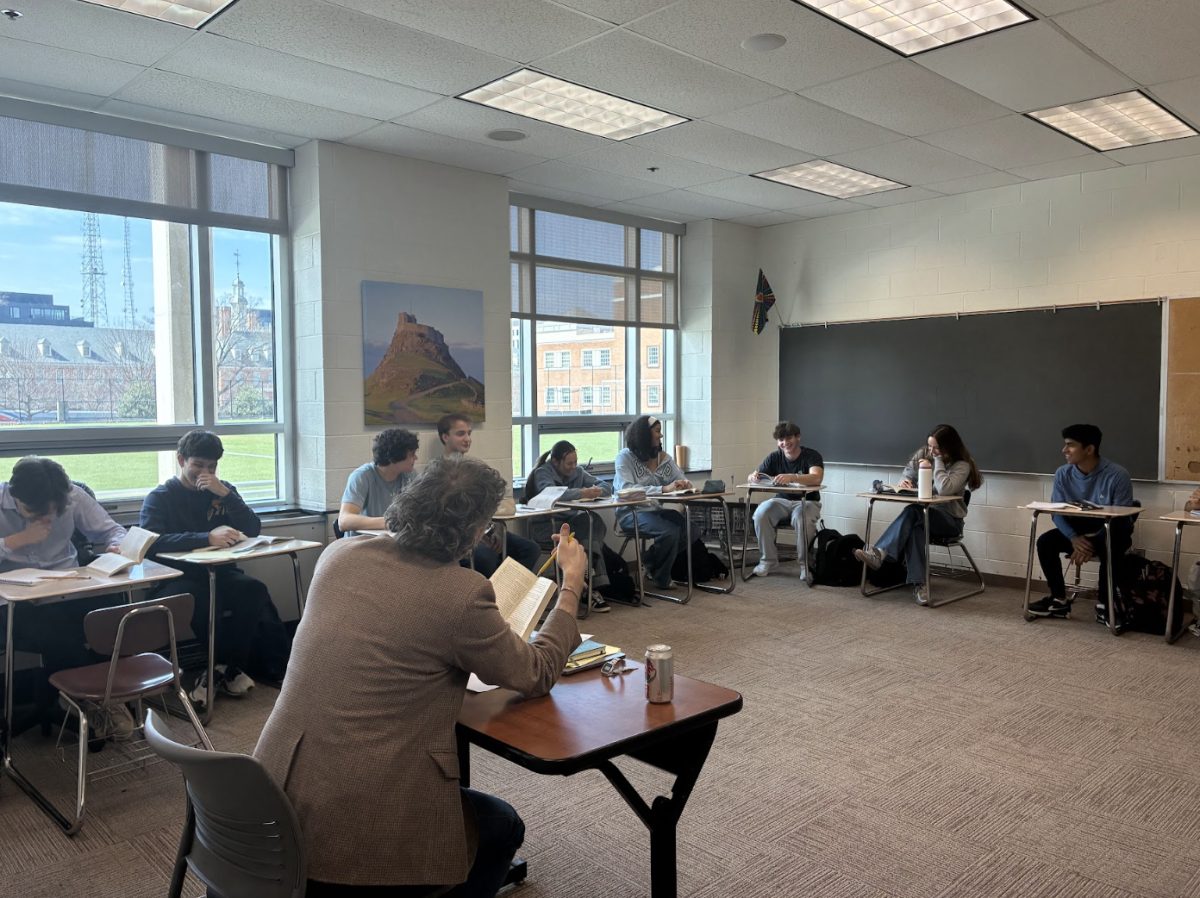
“The idea [of the field trip] is that we’ve spent the whole semester studying art and we’ve looked at some actual art that’s just around campus, but it’s of course cool to see as much as possible,” said Art History Teacher Jake Dingman. Art History students have studied works from many different periods and regions. Now they have the opportunity to explore “a world class collection” not only “in terms of the quality, but also” in terms of diversity, which reflects what they have been learning in class.
The April trip will mark the second time that Art History and Advanced Studio Art students have visited the National Gallery together. Dingman recalled that the classes’ first joint visit in 2024 was a “particularly cool experience,” noting that many students gravitated toward the National Gallery’s “especially great collection of” Impressionist artwork, which Art History was covering at the time. “It’s really neat to see all those famous names like Monet and Van Gogh in person,” Dingman said. Dingman also commented on the “overlap” between the two classes — this year, he said, around five students take both Art History and Advanced Studio Art.
On the day of the field trip, students will have about two hours at the museum. They will visit multiple exhibits, including the installation “Back and Forth,” which juxtaposes four paintings from vastly different eras and which Dingman anticipates “will be a cool discussion activity,” and explore the museum at their own pace.
“It’s also always nice like just to allow the students to wander for part of the time,” so that “they can seek out particular stuff that they’re interested in or… discover things by happenstance,” Dingman said.
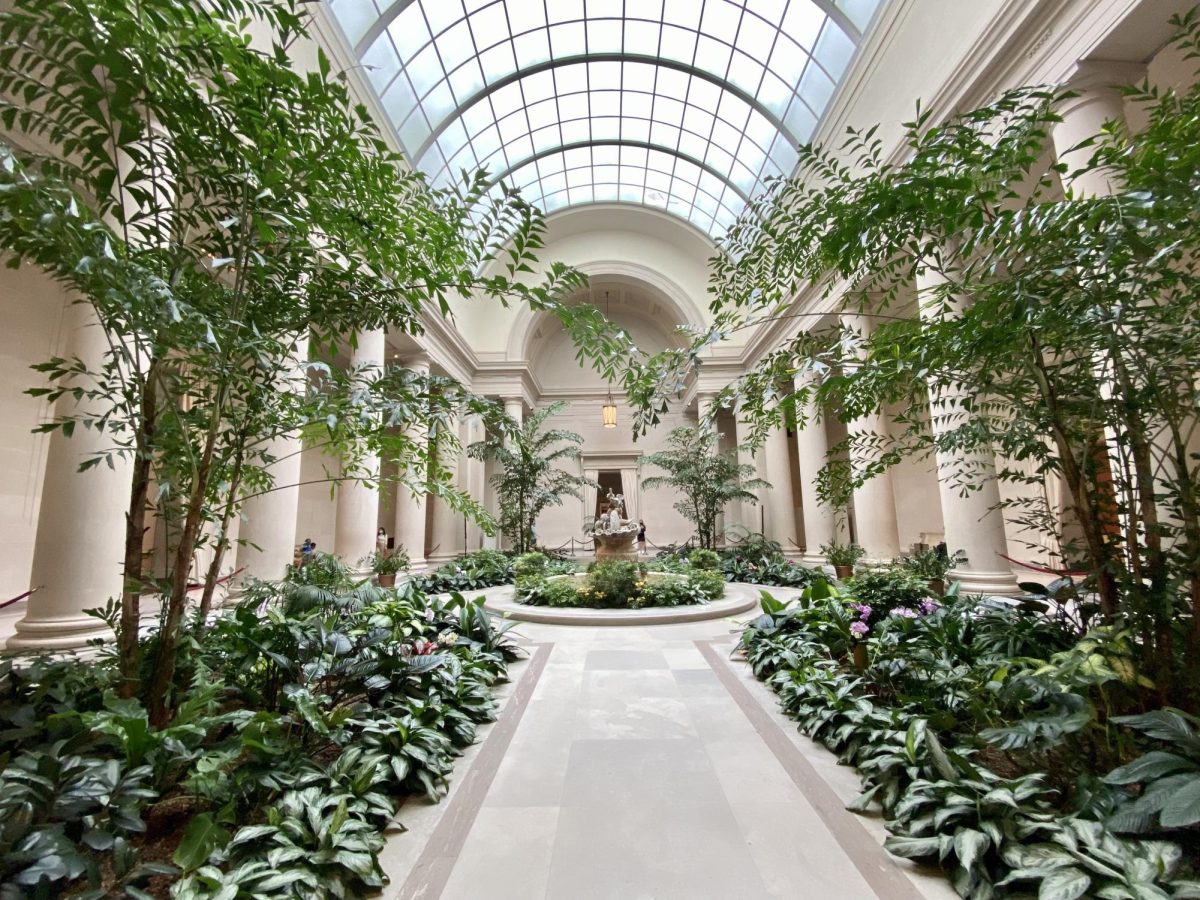
Dingman added that he is excited to hear students’ “takeaways,” especially regarding the National Gallery’s atrium, whose unique architecture, akin to a “Roman temple,” often inspires Art History students’ work on their final project, designing an art exhibit.
“Some people might have thought of things that are very related to class, but other people might have just been surprised by some aspect of what they saw,” Dingman said.