






















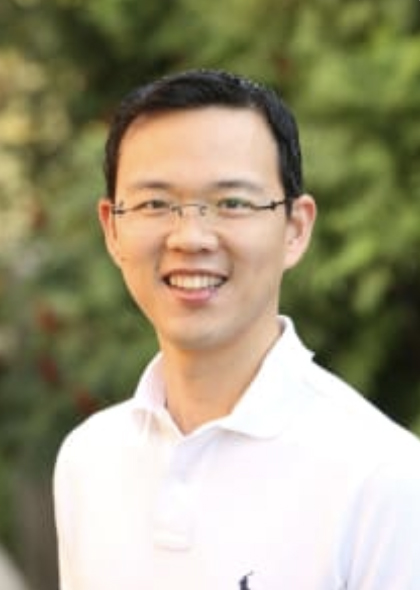
Upper School Biology Teacher Piriya Suphaphiphat was intrigued by science from a young age. Long before he set foot in a classroom as a teacher, trips to zoos and aquariums drew him toward biology, sparking curiosity that would eventually carry him between Southeast Asia and the United States.
Suphaphiphat was born in Thailand but moved to the Philippines as a child, where he completed his primary and secondary education before coming to the United States for college. He earned his undergraduate degree in biochemistry at Brown University and went on to pursue a graduate degree in molecular and cellular biology at Duke University.
At Duke, Suphaphiphat first discovered his passion for teaching. As a graduate student, he was responsible for leading an undergraduate course in evolutionary biology.
“That’s when I got interested in teaching — when I was teaching undergrads,” he said. What began as a graduate-school obligation eventually grew into a calling.
After finishing his graduate work, Suphaphiphat taught at a public school in North Carolina before returning to Thailand, where he taught for several years before eventually joining the Sidwell community. Though he holds a teaching license in three sciences — biology, chemistry and physics — he has never taught physics and prefers the two subjects most closely tied to his academic background.
“My undergraduate degree was in biochemistry, and my graduate work was in molecular and cell biology,” he explained, “so biology and chemistry are really where I feel at home.”
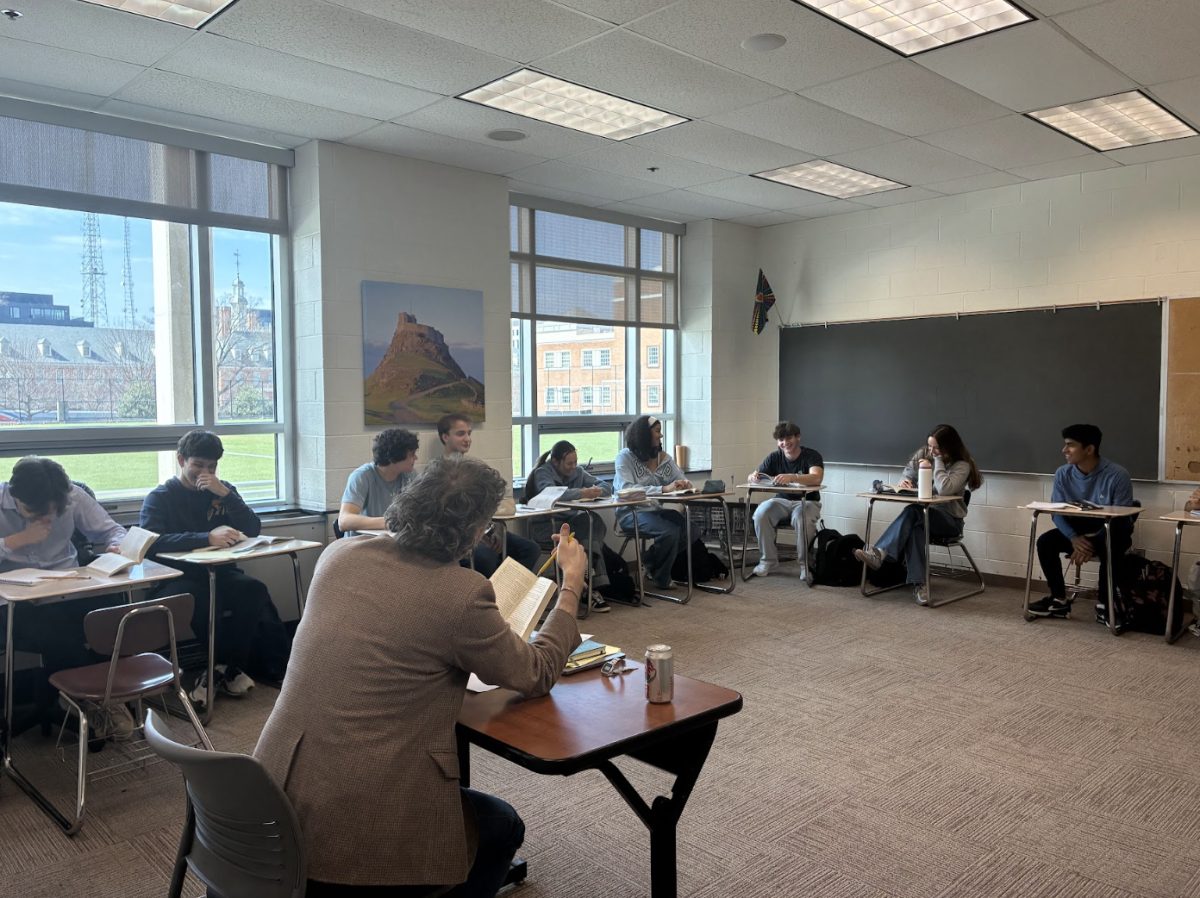
For Suphaphiphat, the most rewarding part of teaching is watching students grow over the course of the year.
“I see the growth and progress in individual students, from the first quarter to the fourth quarter. That’s what makes it worth it,” he said. He described the quiet satisfaction of watching a student move from chemistry into biology and suddenly having something “click” as they fully understood both topics.
One of Suphaphiphat’s most memorable experiences as a teacher came shortly after he returned to Thailand from North Carolina. Living by himself in his old childhood home, he mentioned offhand to one of his classes that he was looking for a dog for companionship and security. At the end of the semester, the class surprised him with a puppy. “They all got together and got me one as a gift,” he recalled. Though Suphaphiphat was completely taken aback at the time, it remains for him a moment of proof of how students can give back to their teachers.
When asked for advice for Sidwell students, Suphaphiphat offered two insights. “Pick courses based on what you love and what you’re passionate about,” he said, “not because someone else wants you to, or because of what colleges want to see.” He also advised students to act with integrity.
“Approach every course with integrity. Don’t take shortcuts,” he said. “Follow the course you need to follow.”
Outside of the classroom, Suphaphiphat’s life revolves around his family. He has two children whose schedules keep him busy with after-school activities, and his current hobby of choice, he said, is simply “playing soccer with them, watching them when they play and taking them to games.”
Perhaps the most intriguing chapter of Suphaphiphat’s background is the year he spent as a Buddhist monk between his undergraduate and graduate studies. Ordination is a traditional Thai rite of passage, though he noted that the tradition is on the decline. For Suphaphiphat, it provided an opportunity to reconnect with the country where he had been born but never truly grown up in, and with Buddhism, which he had little chance to explore in the predominantly Catholic Philippines.
“I wanted to learn more about the religion that I was raised in but didn’t have much exposure to,” he said.
Suphaphiphat’s time in the monastery “was quite an eye-opening experience,” he said. “What you learn about Buddhism in the monastery is much different than what you learn outside. It’s deeper, and you connect with people from all walks of life who are ordaining at the same time.” Hours of daily silent reflection shaped the way he saw the world. In a roundabout way, they also prepared him for life at a Quaker school.
“A lot of Quaker philosophy aligns with Buddhist philosophy,” he noted, “although we had to sit in silence and reflection for much longer.”
That quiet reflection, he suggested, has stayed with him long after he left the monastery. It is part of what drew him to Sidwell, and part of what continues to shape the way he approaches his students, his subjects and the everyday rhythm of the classroom.