









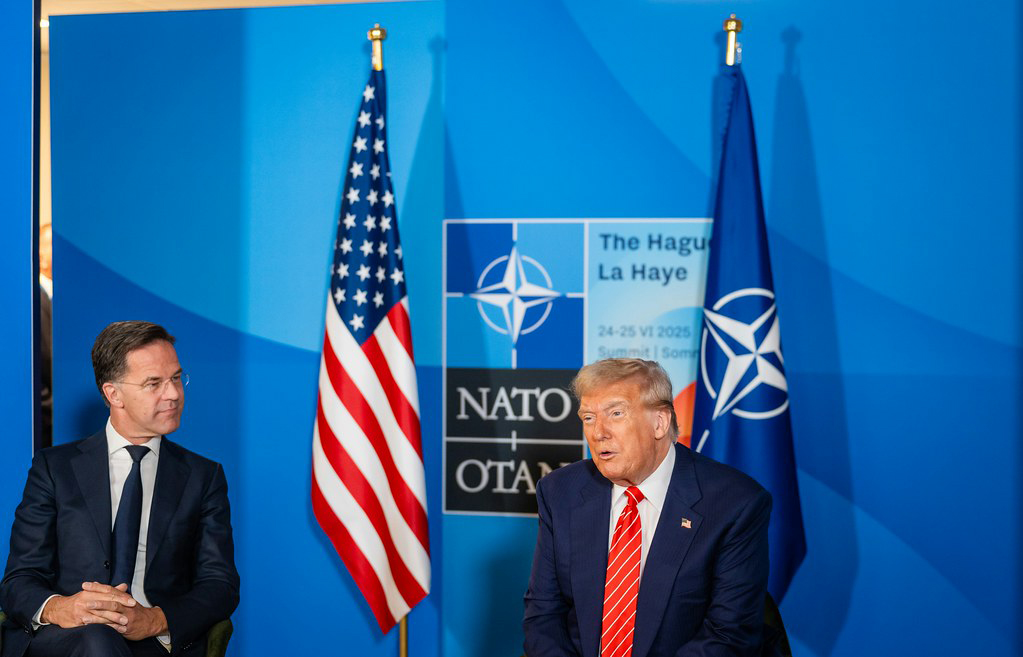



























Since returning to office, President Donald Trump has threatened to leave multiple alliances with foreign powers within the North Atlantic Treaty Organization (NATO).
While such actions can be framed as a way to reorganize American foreign policy priorities, a U.S. withdrawal from NATO could have significant implications for global security, economic stability and everyday life in the United States.
NATO, a 32-nation alliance founded after World War II, was designed primarily as a system of collective defense to deter conflict rather than wage it.
Its central principle, outlined in Article 5, states that an attack on one member is considered an attack on all.
Several of its most influential members — including France, the United Kingdom and the United States — also serve as permanent members of the United Nations Security Council, while countries such as China and Russia remain outside the alliance.
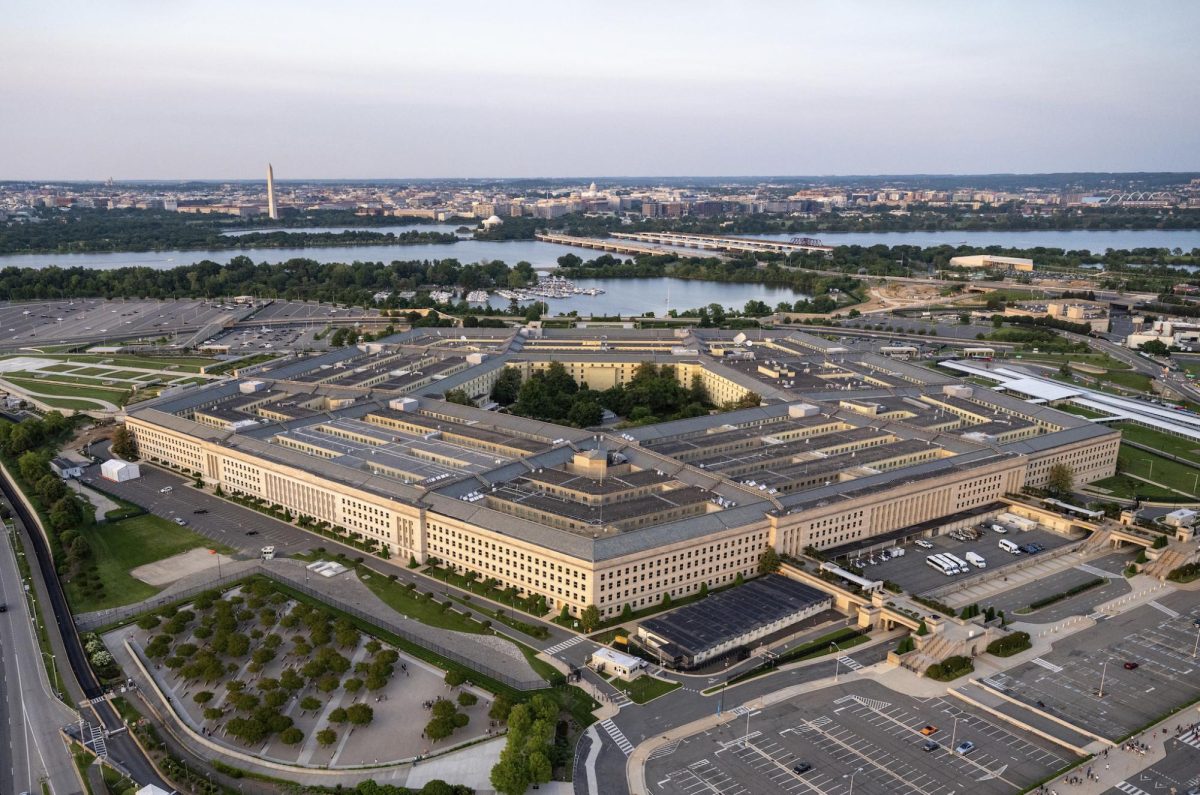
Russia, in particular, has posed ongoing challenges to European stability since the start of the conflict in Ukraine in 2014. Tensions between Russia and Western nations have remained notable as the U.S. has more than 70,000 troops stationed across Europe. This presence reinforces the alliance’s collective commitment to security.
A U.S. withdrawal from NATO would alter this balance and potentially further fuel Russia’s invasion of Ukraine, given its relative weakness compared with other countries in the region.
If Russia invaded a European nation in NATO, it would trigger a response from all 32 member states, including the United States, which devotes the most funding to its military.
While other countries possess capable armed forces, the absence of U.S. resources would likely weaken the alliance’s effectiveness.
Beyond military implications, the potential withdrawal of the U.S. from NATO would also be felt in global financial markets.
Major economic indices like the S&P 500 and the Dow Jones Industrial Average react to geopolitical tensions such as wars.
Even without the current conflict, investors may fear its onset and begin moving their money away from global markets to “safe assets” like gold.
For Americans, shifts in alliance security have a direct impact on everyday finances such as retirement savings, investments and overall economic confidence.
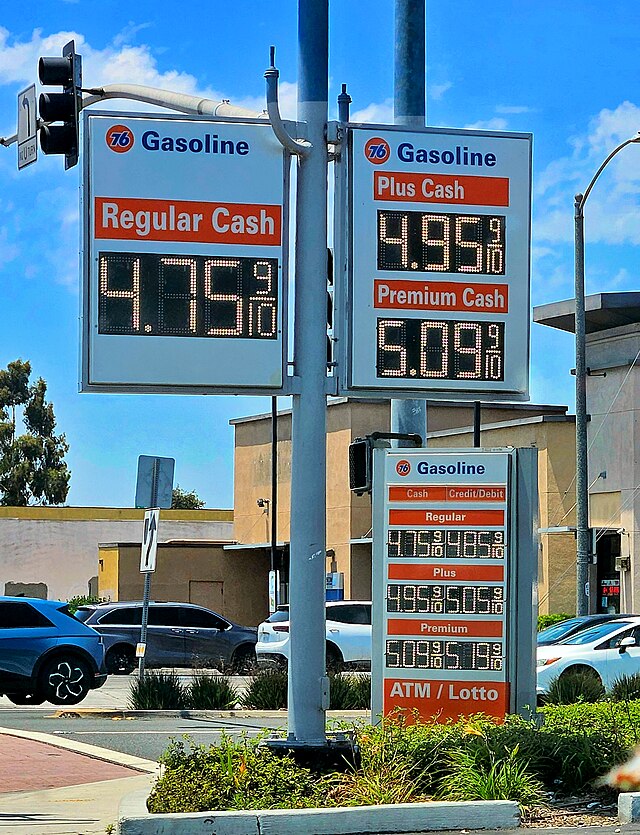
Moreover, heightened geopolitical tensions contribute to rising energy, food and gas prices, indicating the effect of foreign policy decisions.
Those who support a U.S. withdrawal from NATO argue that Europe should be more responsible in defending itself.
Additionally, they believe that the U.S. spends too much on global defense and that the relationship between Europe and the U.S. in NATO is not beneficial to the U.S.
While this concern is valid, it underestimates the importance of maintaining peace abroad.