





























While intended to ensure election integrity, former President Donald Trump’s push for physical proof of citizenship and stricter residency verification requirements could create barriers to voting access for younger Americans. Replacing online registration with more demanding documentation disproportionately affects younger voters, who are more likely to relocate for school or work and may not have immediate access to such records.
The SAVE Act, passed by the U.S. House of Representatives on Feb. 11, would require voters to present physical proof of citizenship — such as a U.S. passport, naturalization certificate or birth certificate — in order to register. The bill also establishes a strict photo ID requirement for federal elections, replacing the current system in which states determine acceptable forms of identification.
Currently, 36 states require some form of voter ID, but only 10 enforce strict photo ID laws. By requiring physical documentation, the legislation would also limit the convenience of online voter registration (OVR), as applicants would no longer be able to easily submit materials digitally.
In March, Trump continued to implement new voting policies by signing an executive order that changed how mail-in voting is administered. The order directs the Department of Homeland Security to compile lists of confirmed citizens — and therefore eligible voters — for each state, and requires the U.S. Postal Service to deliver ballots only to those individuals.
Additionally, the order instructs the Department of Justice to investigate and potentially prosecute election officials who provide ballots to individuals the federal government deems ineligible. It also allows for the withholding of federal election grants from states that do not comply with these requirements.
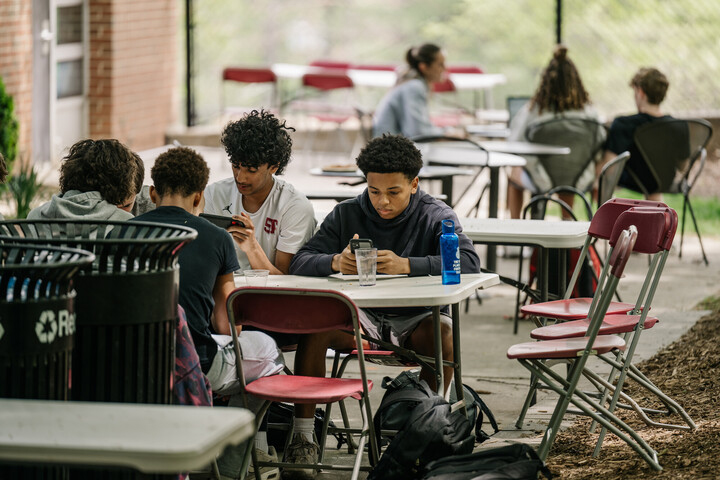
Trump’s new policies and executive orders will have detrimental effects on young people in college who attempt to access voting centers. Colleges play a critical role in young people casting their ballots, as many set up voting centers and help their students register. Trump administration policies restrict colleges from using federal programs, such as work-study, to pay students — often those from lower-income backgrounds — to assist with voter registration efforts. Additionally, the Department of Education has warned universities to limit the dissemination of voter registration information, citing voter fraud as a primary concern. This widespread messaging around voter fraud discourages young people from voting in the upcoming midterm election, an election where control of Congress may be determined by small margins.
Apart from students, other young voters, including those in the workforce, would also be affected by the SAVE Act. Because the legislation requires documentary proof of citizenship when registering or updating voter registration, individuals who move frequently — such as younger Americans — would need to repeatedly provide documents that many in their age group do not readily have.
Voters across the United States will be negatively affected by the new policies. For example, the SAVE Act’s ID policies place intense restrictions on what qualifies as a “real” photo ID.
The bill excludes student IDs, even those from state-sponsored universities, as well as tribal IDs without expiration dates, even though many of these forms of ID do not expire.
Much of the American population will feel the effects of Trump’s new voting policies, especially those without passports or qualifying IDs. The younger generation is already grappling with a changing job market, and these new voting policies pose a significant barrier that further discourages people from voicing their opinions in the democratic process.