

















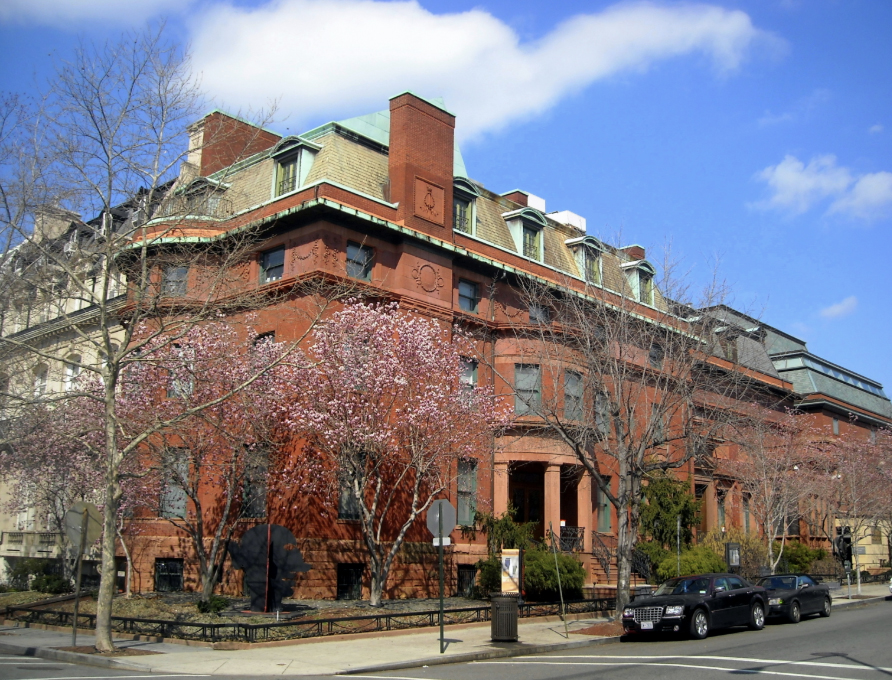














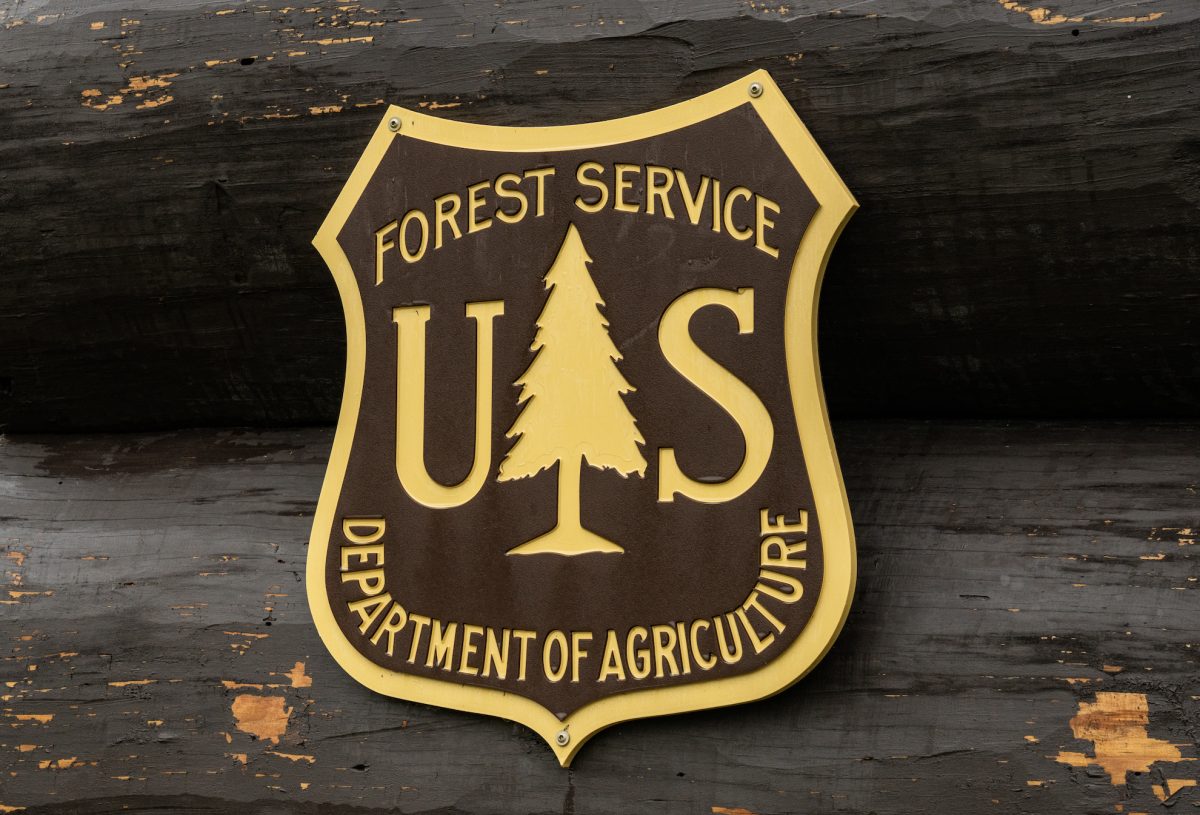
President Donald Trump announced on March 31 that the United States Forest Service will relocate its headquarters from Washington, D.C., to Salt Lake City, Utah. This move is part of a broader effort to relocate environmental leadership closer to western-concentrated federal lands by 2027.
The Forest Service is a federal agency within the Department of Agriculture, managing nearly 200 million acres of federal lands. The Trump administration claims this is a move that emphasizes common sense and is part of the president’s goal of improving government efficiency.
In a press release, Secretary of Agriculture Brooke Rollins said that “President Trump has made it a priority to return common sense to the way our government works.”
“Moving the Forest Service closer to the forests we manage is an essential action that will improve our core mission of managing our forests while saving taxpayer dollars and boosting employee recruitment,” she added. Most of the lands, almost 90%, managed by the Forest Service are in the western United States, and many feel that the move could improve the agency’s effectiveness in those areas.
Leadership in Western states such as Colorado, New Mexico and Utah hopes that this could bring jobs to their states, improve firefighting efforts or — for Colorado Gov. Jared Polis — allow for a “closer relationship with [their] federal partners.”
However, conservation groups and Sidwell students feel differently.
“There are also forests on the East Coast,” sophomore Arya Goswami said. “Moving away headquarters would seem like they are overlooking the forests that are present nearer to D.C., thus turning what should be a national issue into a regional one.”
Some also found the relocation strange, given that most of the U.S. government’s nationwide organizations are headquartered in the national capital, reasoning that the location is favorable because it gives agencies more direct access to other elements of the bureaucracy as well as Congress.
Some also see a parallel with what the first Trump administration did with the Bureau of Land Management. It was moved to Grand Junction, Colorado, in 2020 and lost many experienced staff members.
There are also concerns from people like environmental analysis and history professor at Pomona College Char Miller that the action could have more destructive intent, aiming to “destroy the capacity and effectiveness” of the organization. Due to the organizational restructuring, several regional offices and dozens of research laboratories are being shut down, resulting in program cuts and forcing employees to relocate or leave their jobs.
The system of regional branches will be consolidated into offices based in Albuquerque, Athens, Fort Collins, Madison, Missoula and Placerville.
The 57 research stations being closed include those conducting research on wildfires, droughts and global warming in forests. Even if these programs are allowed to continue, there is the risk that the scientists doing the work will leave the organization.
Sophomores Emmett Bailen and Andrew Kim both believe that the Trump administration has political motivations in moving the headquarters.
Kim said it “feels like an obviously political move” and an effort to “weaken democratic cities and states.” Bailen agrees that the move is political and questions whether its goals align with the Forest Service’s purpose:
“Donald Trump doesn’t care about the Forest Service … they’re laying off people, they’re shuttering Forest Service offices around the country, they don’t care about maintaining our forests.”
This shift away from conservation as a main focus, in favor of cost-cutting or economic gain, is also evident in messaging from Secretary of Agriculture Brooke Rollins, who said they hope moving the agency will aid in “saving taxpayer dollars” and “supporting our timber growers.”
The General Services Administration is now tasked with overseeing the logistics of the move, which is projected to be fully completed by the end of 2027.