
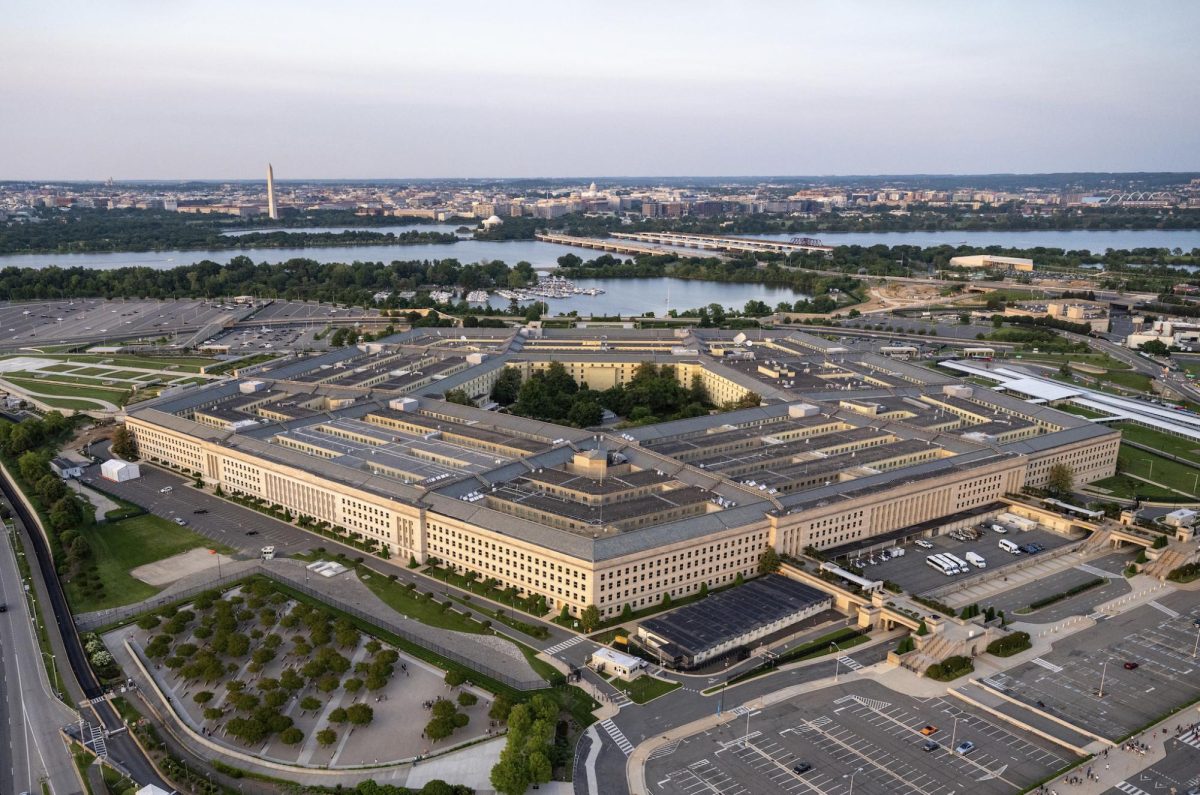

























Multiple “unidentified” drones were observed above Fort Lesley J. McNair in Southwest Washington on March 19, according to a source close to the matter. This prompted the Pentagon to consider installing anti-drone laser technology on the base. Security concerns have been raised since Fort McNair is the current residence of Defense Secretary Pete Hegseth and Secretary of State Marco Rubio.
However, officials from the Federal Aviation Administration have raised concerns that deploying the laser system, known as the LOCUST, in Washington would further strain the already complicated local airspace. Ronald Reagan Washington National Airport is only two miles from Fort McNair, where the lasers would be installed. The area experiences some of the highest levels of both commercial and government air travel in the United States, and the LOCUST would add another layer of complexity.
Early last year, a midair crash over the Potomac River between an Army helicopter and a regional passenger jet killed 67 people, a tragedy local officials and the Federal Aviation Administration (FAA) are still grappling with. Sophomore Felix Pacheco Lynch expressed his concern, calling the crash “totally avoidable.”
Pacheco Lynch added that the LOCUST installation “could be dangerous for the people in the vehicle” if it misidentifies a vehicle. Sophomore Emmett Bailen also spoke to the complicated nature of Washington airspace, highlighting that “congresspeople control which flights run through the airport” and emphasizing the “lower air traffic control staffing.”
The FAA has raised concerns about the safe usage of the system, particularly along the border with Mexico to combat drones used by drug cartels. This has put it at odds with the Pentagon, which has continued testing. After officials in El Paso, Texas, fired the LOCUST at a party balloon mistaken for an unauthorized drone, the FAA shut down the local airspace, a move that has not been taken since the September 11 attacks of 2001.
General uncertainty and clashes between Pentagon officials and the FAA have led to the delay in the deployment of the systems at Fort McNair.
Bailen also said that the “drones [are] a security breach,” and emphasized that “they should [be dealt] with in a non-provocative way.” The U.S. has been engaged in a war with Iran, and the possibility of unsanctioned surveillance has become a primary point of concern for government officials. He said that the usage of the system is “justified” if they think “these things are actual drones,” but “you have to look at what happened in El Paso.”
Drones were also reported over Barksdale Air Force Base in Louisiana, the second-largest airfield in the U.S. Air Force. Barksdale houses more than 40 long-range B-52 bombers, which can carry nuclear weapons, and more than 15,000 people, prompting a shelter-in-place alarm. ABC noted that the drones had “non-commercial signal characteristics, long-range control links and resistance to jamming.” Mick Mulroy, a former deputy assistant secretary of defense, said that “it looked like this was deliberate and intentional to see just how they would react.”
An additional concern factoring into the LOCUST’s deployment in Washington comes from two domestic military bases raising their Force Protection levels to “Charlie,” the second-highest security designation, indicating heightened security due to a potential attack. Joint Base McGuire-Dix-Lakehurst in New Jersey and MacDill Air Force Base in Florida were both escalated to Charlie in March. MacDill Air Force Base is home to the U.S. Central Command, which manages operations against Iran. Internationally, U.S. outposts have been commanded to perform immediate security evaluations.
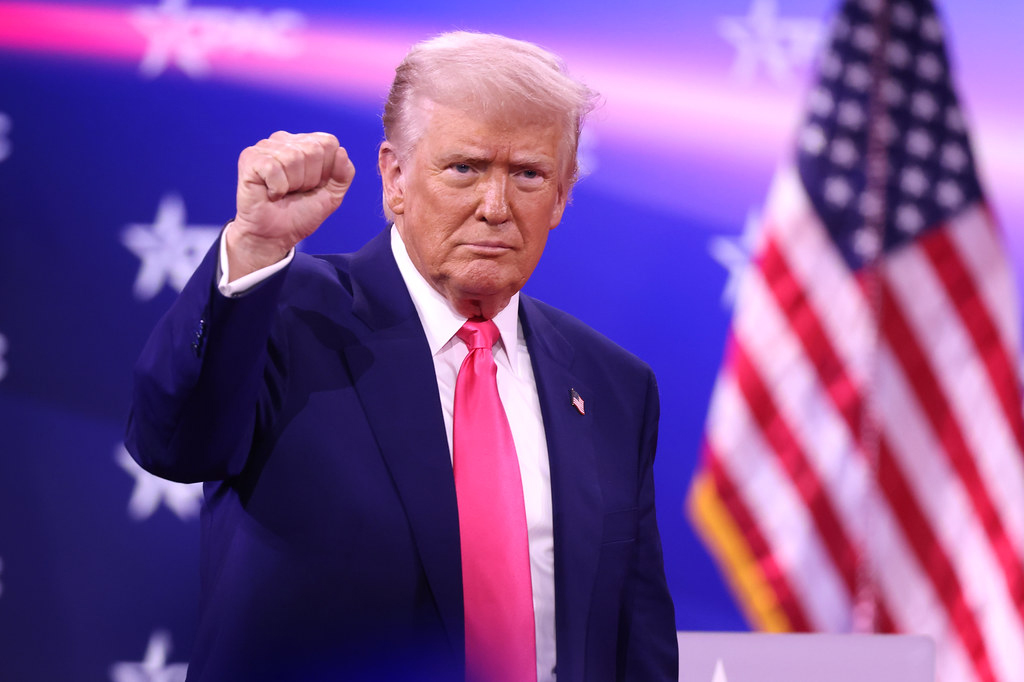
The drones also extend U.S. officials’ suspicions of Iranian operations that may be targeting senior American leaders. Although Iran has not been confirmed to be affiliated with these instances, the possibility during the ongoing war with Iran is particularly concerning. During Donald Trump’s 2024 presidential campaign, Secret Service agents reported drones in Los Angeles and rural Pennsylvania.
Iran also threatened former Secretary of State Mike Pompeo and former National Security Adviser John Bolton, who were blamed for the 2020 killing of Iranian Gen. Qasem Soleimani, leading the Biden administration to extend their security.