

































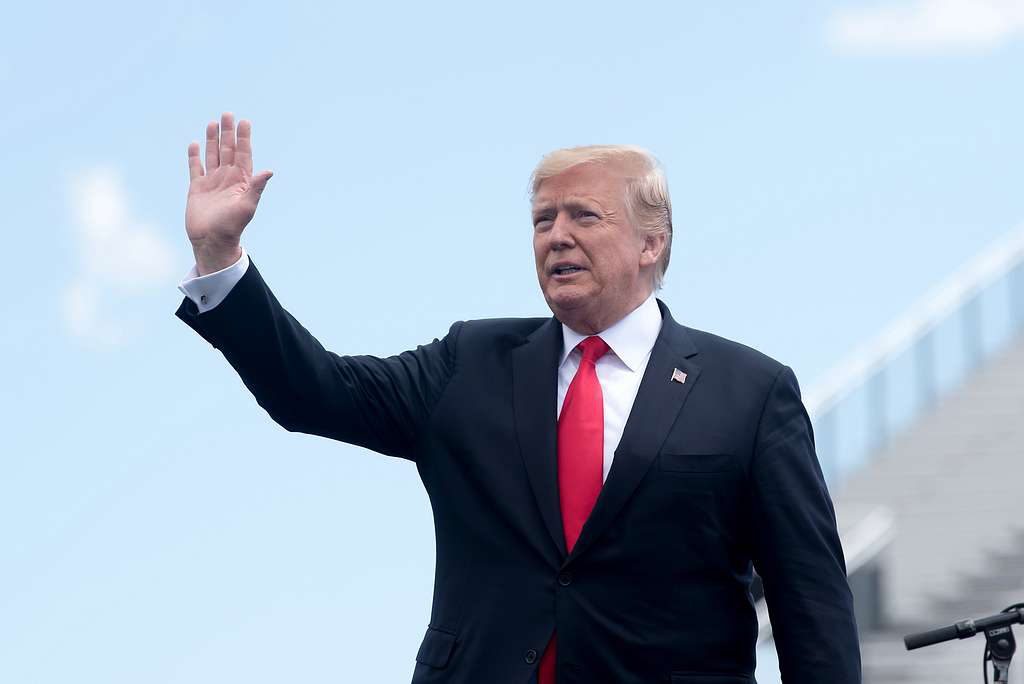
President Donald Trump’s ambitions to bring Greenland under US control threaten to weaken NATO while strengthening European alliances within the European Union.
Although some Americans may view this idea as a strategic move for global and Arctic security, it ultimately reflects a reckless disregard for international norms and long-standing alliances. Trump’s desire to acquire Greenland undermines the trust and cooperation the United States has with Denmark, sending a dangerous message to America’s allies.
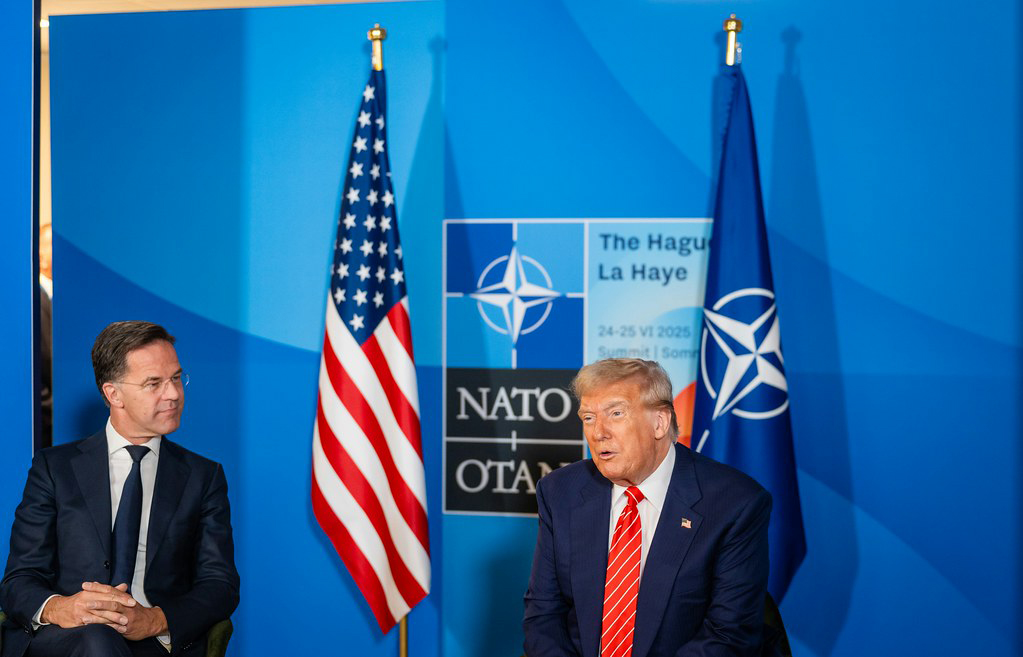
A conflict between two nations within the same alliance undermines the alliance’s purpose, as Greenland is a Danish territory and both the U.S. and Denmark are members of NATO. Such an openly challenged sovereignty renders fear across Europe.
As a result, all European nations — including those not part of NATO — will begin strengthening their own alliances, creating hostility across the continent. Concurrently, the U.S. will only grow, affecting NATO’s credibility and long-term effectiveness.
The situation is especially troubling given NATO’s historical purpose and uprising. The alliance was formed after World War II to prevent powerful nations like the former Soviet Union from dominating the sovereignty and territory of Europe.
It was built on the foundation that no powerful nation should threaten or claim ownership of smaller European nations. Even today, NATO plays a crucial role in protecting Europe from Russian aggression.
However, when the United States threatens Denmark’s territorial integrity through claims over Greenland, it directly contradicts all that NATO was built to stand for. As the alliance of countries with the same beliefs begins to crumble from its very foundations, the alliance itself risks weakening.
NATO’s power and influence come from the trust between its member nations. The success of the alliance depends on each member’s cooperation and respect on borders and independence.
Trump’s bid to acquire Greenland suggests that allies are not safe from American ambition, weakening NATO’s foundation and potentially leading member nations to disregard the importance of respect and friendship.
The ties in the E.U. will only grow stronger because of the president’s actions at possessing Greenland. As noticed during the time of World War II, Europe has learned that unity is essential when sovereignty is challenged. The EU is built on shared principles and cooperation and this threat will likely cause European nations to unite.
Ursula von der Leyen, the president of the European Commission, emphasized the European Union’s support for Denmark and Greenland, stating that their sovereignty is non-negotiable.
Her statement reflects a European willingness to stand up to powerful states, even those like the United States. However, because NATO heavily relies on the U.S. for defense, any loss of trust in U.S. forces would prompt Europe to reconsider its security strategy.
