










As of January, Iran is experiencing the most violent civil unrest in decades that will undeniably have a severe impact on the regime. The current wave of protests that stemmed from an economic crisis in December 2025 has opened the discussion for the overthrow of the Islamic Republic.
Although the Iranian regime has undergone multiple waves of protest in only a few years, this new wave, which began in Tehran in late December, is significantly more dangerous to the government than previous demonstrations have been.
These protests are rooted in both economic desperation and long-standing political frustration. According to CBS News, shopkeepers and merchants in Tehran’s Grand Bazaar began demonstrations in desperation as the Iranian rial lost over 40% of its value last year, causing record-high inflation of 50-70% and making it impossible for many people to afford basic necessities.
From there, slogans shifted from economic grievances to direct political demands, demonstrators even reviving the “Woman, Life, Freedom” movement from September 2022 after a woman was arrested and killed for wearing her hijab in a way deemed improper in public. In just the span of a few months, protests moved from advocating for one issue in Iranian economics to a full-blown uprising against the Iranian regime, making it extremely evident that many Iranians no longer seek reform within the system but instead demand its complete removal.
By January, protests were reported in at least 185 cities and all 31 provinces of the country, including on dozens of university campuses. Strikes and shop closures were reported in markets over a dozen cities, overall affecting the regime as a whole.
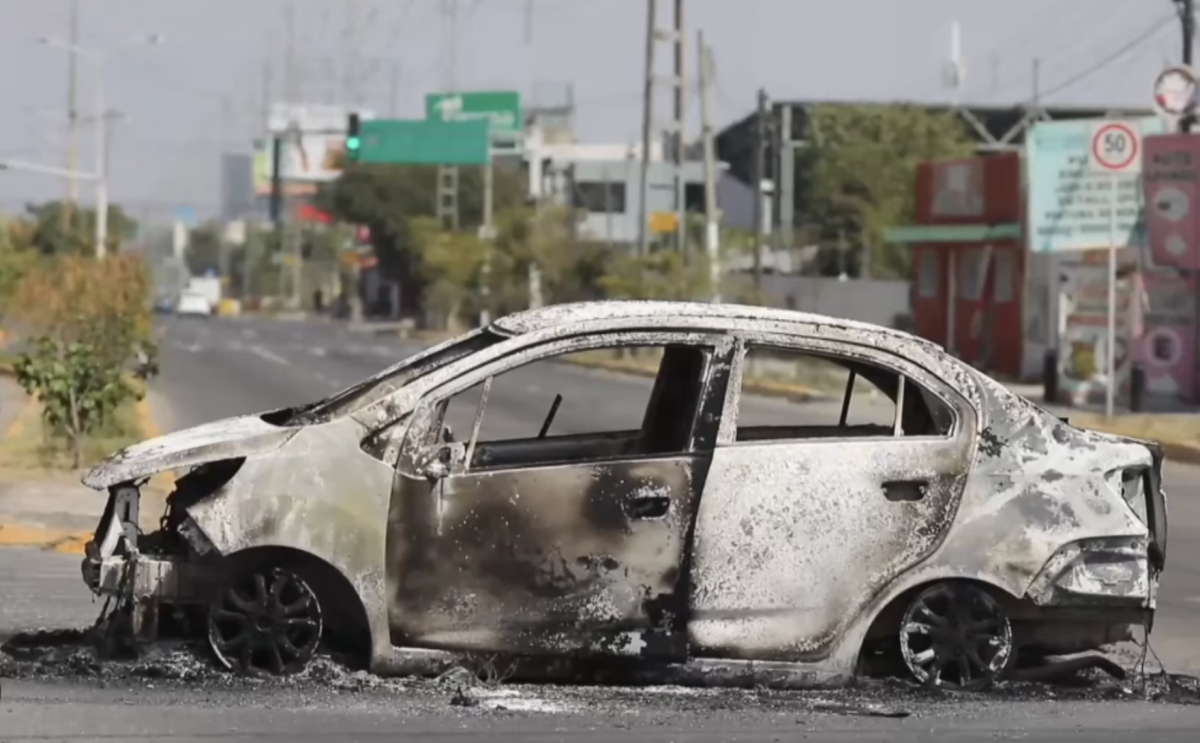
These protests have ranged from large-scale rallies in major cities such as Tehran, Mashhad and Tabriz to small neighborhood bonfires, blocking roads and chanting anti-government slogans to physically confronting security forces, preventing them from arresting fellow demonstrators. This act demonstrates how the fear of government retaliation is gradually being replaced by collective courage and determination among citizens.
Women have been walking and working without the mandatory headscarf, burning their hijabs and cutting their hair as a way to represent their “liberated” state of being. In response, the Iranian state has fought back with only brutality in mind; the death toll has far surpassed the 3,117 announced on Jan. 21 by regime hardliners, potentially even reaching 30,000 killed, according to Time Magazine. These statistics further prove how the regime is increasingly relying on violence rather than legitimacy to maintain power.
Since Jan. 8, the Iranian regime has maintained a near-total blackout of international internet access, leaving around 92 million citizens with limited access to the internet, cellphone service and messaging platforms. As less information is able to leave Iran, people are concerned that the death toll is even higher than estimated.
President Donald Trump stated to CBS News that he intends to take “very strong action” if the Iranian government starts hanging protesters.
The president notes that he is aware of the high death toll and that he believes the brutality of Iranian authorities will not yield a positive outcome. Still, the international community faces growing pressure to act rather than simply watch oppression unfold.
Many demonstrators have been calling for the return of Reza Pahlavi, the exiled son of Iran’s last shah, causing deep debate and division among protesters about the country’s political future and the risks of returning to past systems of power. Pahlavi has not only voiced his support for the protests but also stated that he was prepared to lead a transitional government should the Islamic Republic collapse. Another popular possibility is the restoration of the monarchy under a democratic framework. In an interview with BBC News, Pahlavi states his mission is to “secure a democratic future for all Iranians.”
Although the future outcome of the Iranian protests remains unknown, the pressing economic and political issues being addressed by millions cannot be ignored. These protests have already reshaped Iran’s political landscape and are likely to weaken the regime’s authority both domestically and regionally, making meaningful change increasingly difficult to prevent.