






















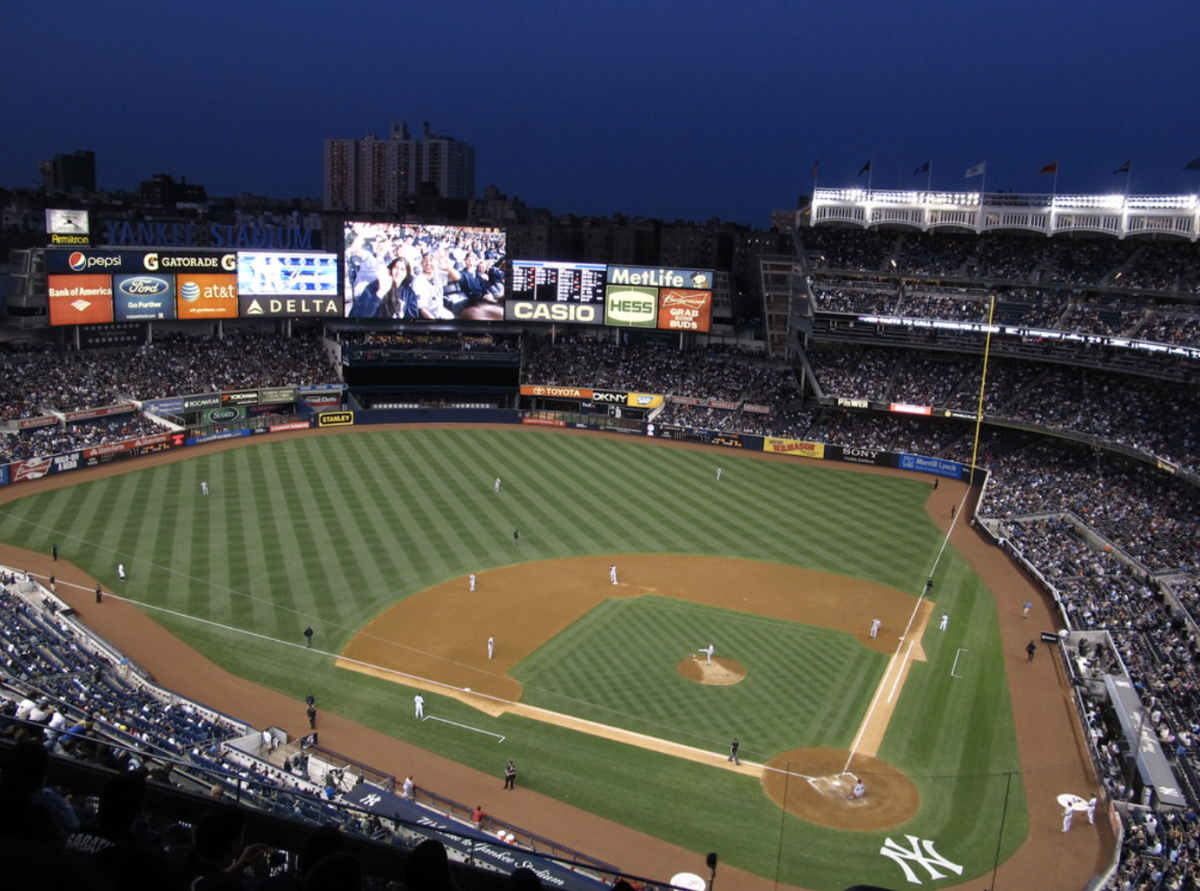
With Major League Baseball’s spring training set to begin Feb. 20, free agency has heated up as teams aim to finalize rosters before players report to camp. In the weeks leading up to training, several high-profile signings have reshaped the free agent market across the league, with names such as Bo Bichette, Alex Bregman, Cody Bellinger, Kyle Schwarber and Kyle Tucker, finding new or familiar homes.
The Philadelphia Phillies made one of the offseason’s earliest moves, re-signing designated hitter Schwarber on Dec. 9 to a five-year, $150 million contract. Schwarber has been a consistent presence at the top of Philadelphia’s lineup, hitting at least 38 home runs in each of the past four seasons. In 2025, he posted a .365 on-base percentage and drove in 132 runs, making him one of the most valuable hitters in baseball. The Phillies are entering the season with hopes of maintaining their hold on the NL East, though the roster looks slightly different following the departure of outfielder Harrison Bader, who signed a two-year deal with the San Francisco Giants on Jan. 26.
Looking to challenge the Phillies in the NL East, the New York Mets made one of the biggest moves of the winter by signing shortstop Bichette on Jan. 16 to a three-year, $126 million contract. Bichette, who spent the first part of his career with Toronto, finished the 2025 season with a .311 batting average, which was second-best in the league, along with an .840 OPS, which was 12th in the league.
Paired with Juan Soto, Bichette makes the Mets one of the league’s most formidable offensive cores. Still, New York also suffered notable losses, including closer Edwin Díaz, who signed with the Los Angeles Dodgers on a three-year, $69 million deal. Díaz recorded 28 saves last season, ranking 11th in MLB, and has statistically been one of the three best closing pitchers in baseball since 2021.
Several additional signings rounded out the top of the free-agent class. Bellinger returned to the New York Yankees on a five-year, $162.5 million contract after one of the most productive seasons of his career. Bellinger totaled 160 hits in 2025, his highest mark since 2019.
The Chicago Cubs addressed a major need by signing third baseman Bregman to a five-year, $175 million deal. Bregman, who played the 2025 season in Boston, hit .270 and gives Chicago a reliable presence in the infield.
However, once again, the Dodgers took center stage in free agency. Los Angeles signed outfielder Tucker to a four-year, $260 million contract, adding another All-Star caliber player to an already loaded roster.
Tucker, widely considered the top free agent available by experts from CNN and other major networks, cited the Dodgers’ recent success when explaining his decision, referencing the franchise’s back-to-back World Series titles in 2024 and 2025. Already a World Series champion from his time in Houston, Tucker owns a career batting average near .270 and now joins a lineup that includes Mookie Betts and Shohei Ohtani as Los Angeles pushes for a third straight title.
As spending continues to climb, payroll disparity has once again become a major topic around the league. Teams such as the Dodgers and Yankees have built rosters that far exceed the financial reach of many smaller-market franchises.
According to ESPN, the Dodgers’ projected payroll sits at approximately $508.3 million, a figure just short of the combined payrolls of the league’s six lowest-spending teams: Miami, Oakland, Tampa Bay, the Chicago White Sox, Pittsburgh and Cleveland. Each of those teams is projected to operate with a payroll under $100 million.
The growing gap has reignited debate over MLB’s lack of a formal salary cap. While the league uses a competitive balance tax to curb excessive spending, large-market teams like the Dodgers, Yankees, and Mets have shown little hesitation to exceed the luxury tax thresholds. Mega-deals such as Shohei Ohtani’s $700 million contract and Yoshinobu Yamamoto’s deal, which includes more than $300 million in guaranteed money, have only amplified concerns about competitive balance.
With the current collective bargaining agreement set to expire after the 2026 season, labor tensions are expected to resurface. ESPN has reported that disagreements over spending limits, revenue sharing and competitive balance could raise the possibility of a lockout if negotiations fail to gain traction. While a salary cap has long been opposed by the players’ union, continued payroll expansion among top-spending teams may keep the issue at the center of future talks.