





























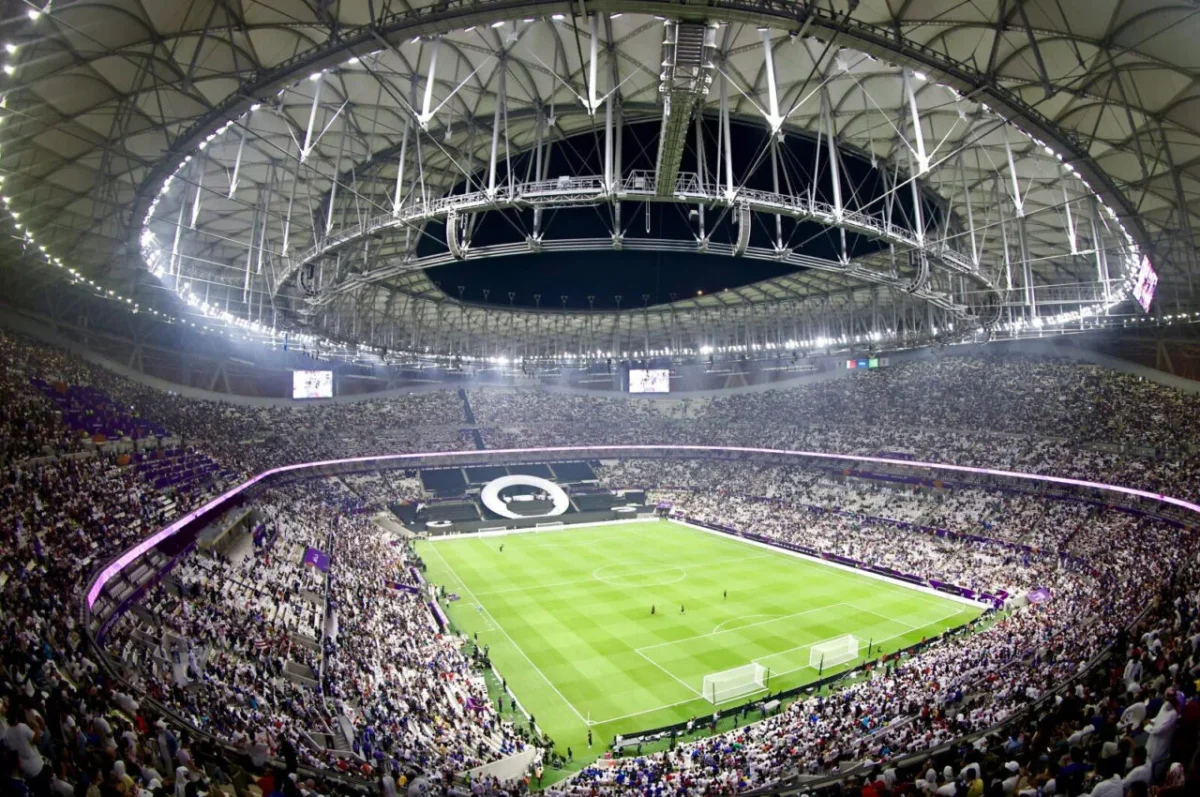



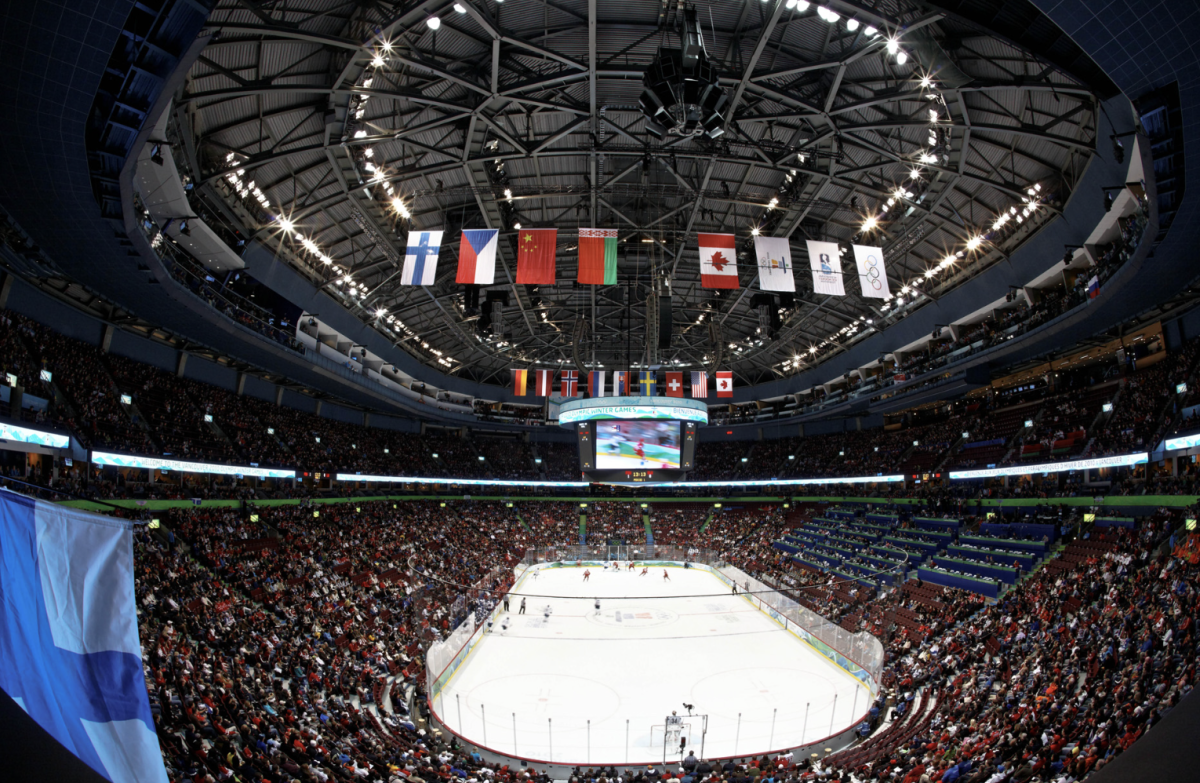
The Winter Olympic Games are set to begin in Milan, Italy, in February. The women’s hockey tournament begins on Feb. 5, the men’s tournament on Feb. 11 and the Paralympics competition in March. A completely new stadium is being built for the hockey events of the Olympics. The rink venue in Milan, Milano Santaguilia, is supposed to seat 14,000 spectators. After the Olympics, the venue will be transformed into a sports arena and live entertainment center that will elevate the livelihood of southeast Milan.
The rink will be an attractive location when finished, but there are concerns about its construction timeline. The Milan rink construction has been behind since its start at the end of 2023.
It often takes 2 to 4 years to build the Olympic ice arena, and in Milan the construction team had only 2 years. In this time frame, the builders have faced some delays typical of a large construction project.
As a result of delays, the rink, which is often ready and tested two years before the competition, was not ready for testing even months before the Olympics.
Concerns were raised that the arena will not be able to accommodate the 14,000 spectators originally promised in the plans. In addition, people worried that the rink surface would not be ready before the opening game, which made many fans, officials, players and coaches upset with the construction team.
Don Moffatt, the 2026 Winter Olympics Chief Ice Maker, is leading the Milan project. He has worked on four other Olympic hockey rinks. He has also worked for the NHL, World Championships and figure skating events.
He said that this construction has “been by far the hardest” of the rinks; however, he has “learned to not really worry about what he can’t control.” Moffatt said the slow rink-building process is due to cultural differences among Canadian and American workers and Europeans. He believes that Europeans and Italians are more committed to work-life balance, whereas North Americans would work overtime to finish the rink as quickly as possible.
The NHL has also had concerns regarding the ice as they want to protect their players for their NHL seasons. The ice must be safe for the skaters — not too soft, thick or cracking, which could cause injuries.
Many rinks are not perfect on the first test, which is why construction plans need to include allotted time for testing and regulation passing. NHL staff attended the overdue first ice test of the still-under-construction rink and believed the issues would be resolved in time for the tournament.
Now, the rink is functional and hosting games, despite the frantic last-minute, behind-schedule construction process. Although the rink and game-essential areas were ready for play, some exterior and non-essential work is still underway.