




























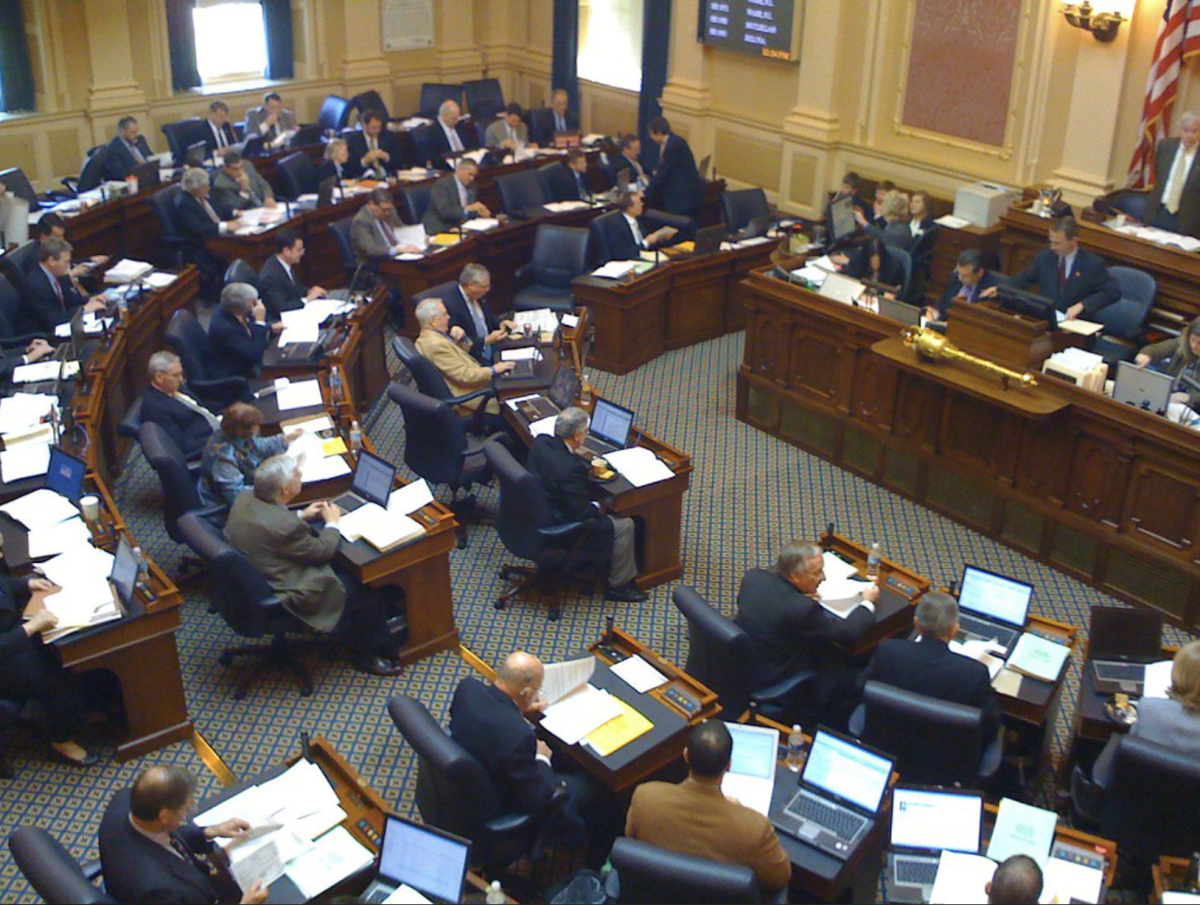
On Jan. 14, the Virginia House of Delegates passed an amendment in a 62-33-1 vote allowing the Virginia House to redraw Virginia’s district lines. Lawmakers introduced this measure in an effort to gain Democratic seats in the US House of Representatives. The amendment also passed the Virginia Senate by a 21-18 vote on Jan. 16.
On Jan. 27, Tazewell Circuit Court Jud ge Jack Hurley Jr. ruled that the redistricting efforts were illegal, a ruling that Democrats later appealed. This decision came as an attempt to counteract similar Republican gerrymandering initiatives led by President Donald Trump.
Hurley struck down the amendment on the grounds that Democrats did not act in accordance with their preceding policies on last-minute redistricting. Hurley found that the amendment was approved after voting began in the 2025 general election. Following these conclusions, Hurley declared the amendment void.
Virginia Democrats, however, appealed this ruling. In a joint statement, Democratic Virginia legislative leaders said Hurley’s ruling “was legally flawed, unprecedented and the product of court-shopping designed to block Virginians from voting on their own Constitution.” Following the Democrats’ appeal, Virginia’s Supreme Court agreed to hear the case.
If the appeal is successful, residents will vote on the proposed amendment in a special election held this spring. If passed, Republicans, who currently hold five of the U.S. House seats allocated to Virginia, will give four seats to Democrats, who currently hold six.
Democrats need to win three previously Republican seats in the US House to gain a majority, making the Virginia redistricting plan critical.
Typically, congressional redistricting occurs on a decennial cycle following the U.S. census, which last occurred in 2020. However, following Trump’s redistricting efforts to gain more Republican House seats before the 2026 primaries, many Democratic-leaning states have undertaken similar processes to counterbalance.
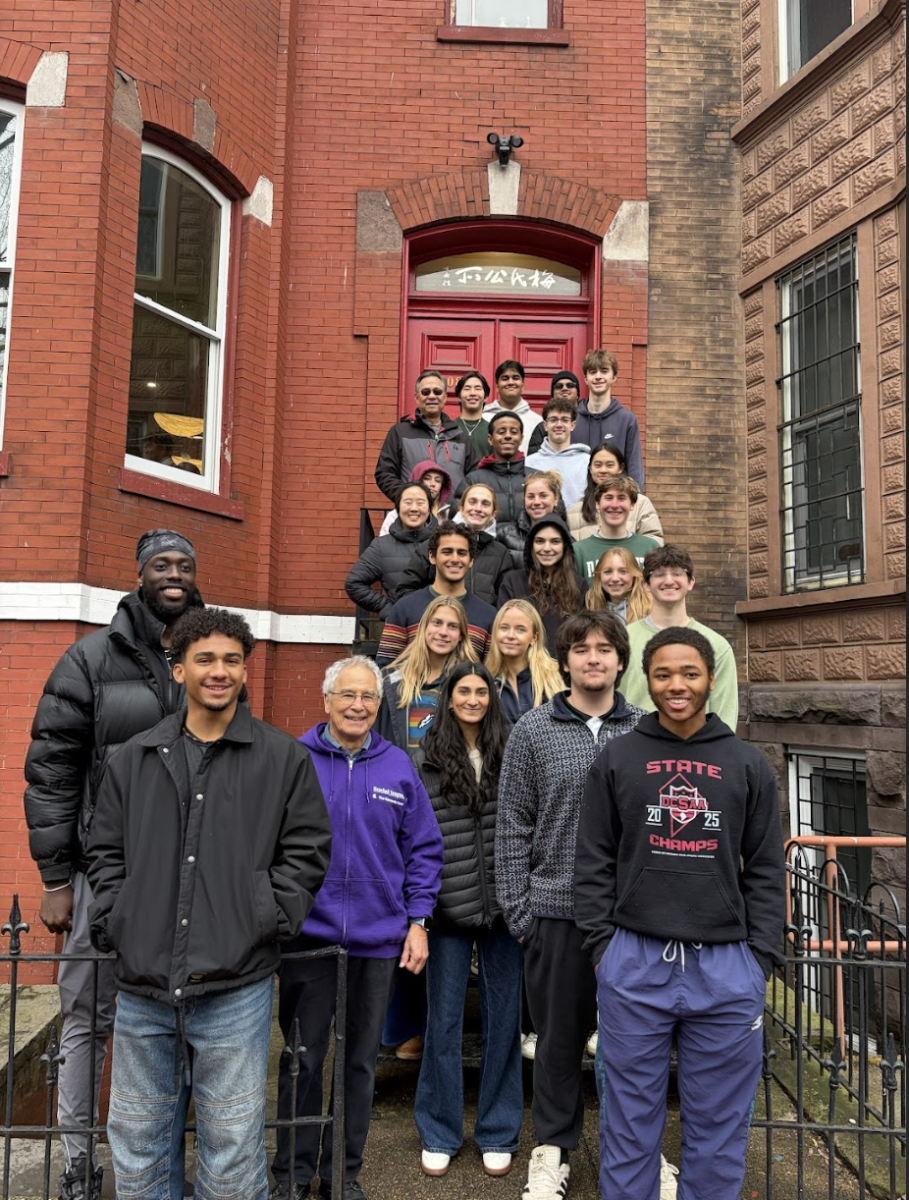
Sidwell Political Union (SPU) Club Head and senior Osewe Ogada commented on the ongoing situation of redistricting, saying that the congressional redistricting “is short-sighted. Clearly [Republican redistricting] has already had the effect of other [Democratic] states doing it, and it’s clearly not what President Trump intended.”
The Democrat-aligned organization Virginians for Fair Elections is urging residents to vote in favor of the ballot measure if the Democratic appeal wins. A newly released video showed a black and white photo of Trump, while a narrator reads, “Virginia, here we believe in fairness, especially when it comes to our elections but right now fair elections are under unprecedented threat.”
Republican Michael Young, a right-wing strategist, has condemned Virginia Democrats.
“We will fight them in any available venue if they continue to pursue this lawless power grab,” he said. Virginia Senate Majority Leader Scott Surovell, a Democrat, responded to Republican criticism that democratic legislatures reneged on the 2020 Constitutional amendment of a bipartisan group conducting redistricting by saying voters “didn’t imagine that we’re going to have a hyper-partisan, fascist ideologue telling state legislatures around the country to basically … redesign their districts to maximize his own personal political power.”
When asked why high school students should care about congressional redistricting for securing a U.S. House majority, Ogada said that “it is a way of disenfranchising people, or drowning out people’s voices and votes.”
Senior Eyob Sisay, another SPU Club Head, described the safeguards that are to prevent either party from gerrymandering. ”In some states, nonpartisan commissions are responsible for drawing the congressional districts,” Sisay said.
“The challenge is getting more state houses and politicians to give up control in favor of a better, more fair process.”