














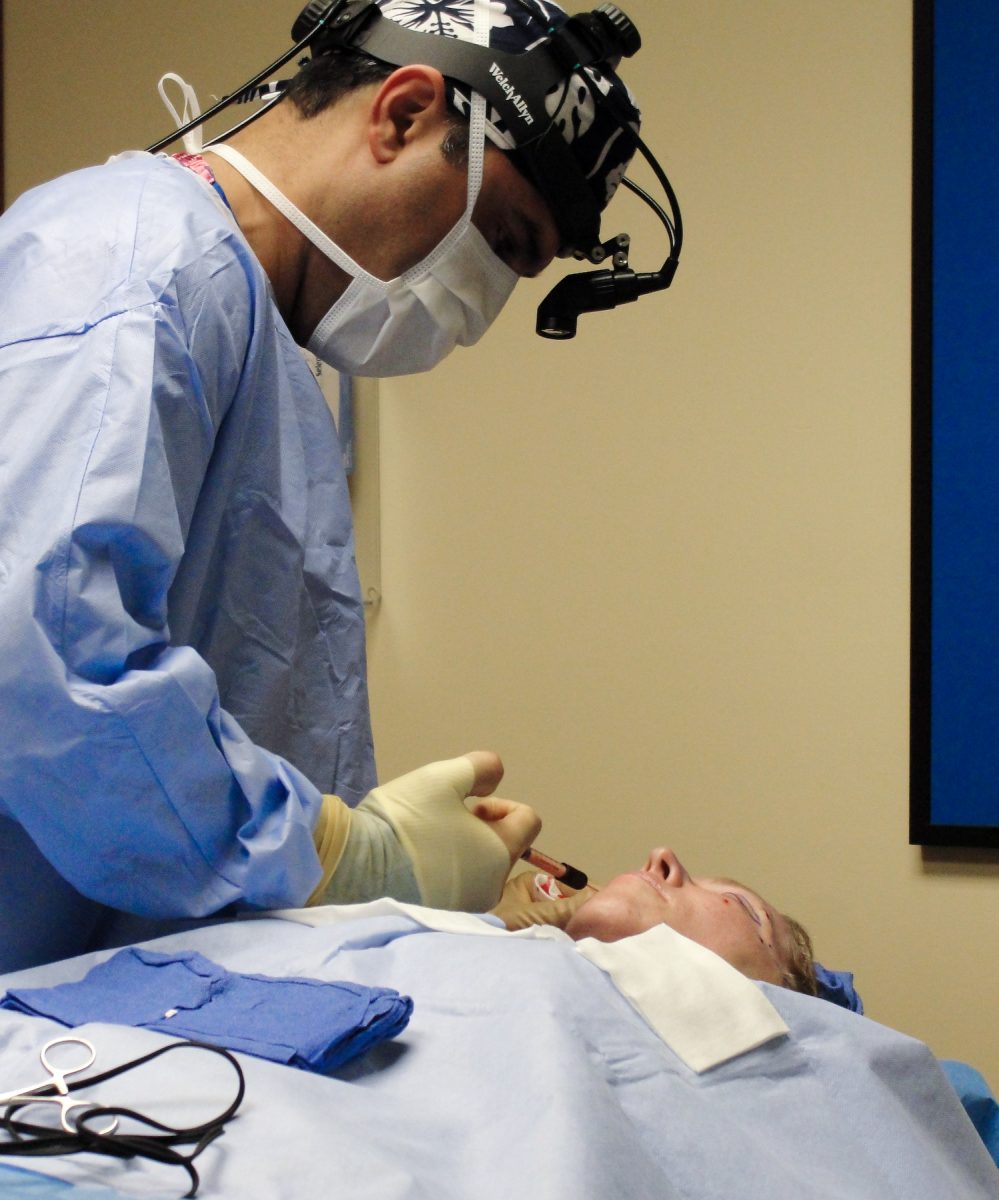
Cosmetic surgery and non-surgical procedures such as Botox, lip filler, liposuction and rhinoplasty have become increasingly popular over the last decade. This rise in cosmetic plastic surgery has damaged society’s view of beauty by contributing to unrealistic beauty standards through creating one definition of beauty and linking beauty to socioeconomic status.
Cosmetic surgery has developed unrealistic beauty standards by creating the idea that surgical results are ideal. Because of this, people are more accustomed to the appearance of surgical results. Though many people seek “natural” results from cosmetic surgery, the appearance created by surgery is still artificial. It damages people’s perception of beauty by uplifting artificial features as normal, hence making beauty ideals unrealistic. Moreover, the popularity of cosmetic procedures among influencers on social media, celebrities and other public figures harms society’s view of beauty because it is not always apparent that someone has undergone plastic surgery. A study by the National Institute of Health (NIH) shows the correlation between social media figures and the increase in desire for plastic surgery. The report describes how social media platforms like Instagram and Snapchat significantly influence and even spark the motivation to get a cosmetic procedure done. In a group of 13,731 participants, around 60% of young adult men and 70% of young adult women have dissatisfaction regarding their body image and are interested in a surgical solution. Therefore, public figures who are viewed as naturally beautiful but have in reality had cosmetic surgery, perpetuate the idea that the results of surgery are attainable without cosmetic procedures.
The high costs of cosmetic surgery suggest that only those who can afford the procedures can be deemed beautiful. Since cosmetic surgery often results in an unnatural appearance that is closer to society’s beauty standard, the idea that with beauty comes wealth is strengthened. People without financial means have no choice but to accept their natural appearance, and as a result, cosmetic surgery shifts society’s view of beauty to one that depends on socioeconomic status rather than natural appearance.
Cosmetic surgery has created narrower definitions of beauty by defining specific features as ideal and subsequently overrepresenting them.
Since cosmetic surgery is often done with the intention of aligning oneself with the constantly changing beauty standard, a continuous loop of narrowing beauty standards around artificial features is created. Therefore, the evident number of people changing their features demonstrates the idea that those who do not have the features deemed beautiful by society are categorized as ugly and unattractive. Cosmetic surgery’s ability to permanently alter one’s appearance is uniquely powerful in this way, as the true diversity of human appearance can be masked under artificial features.
