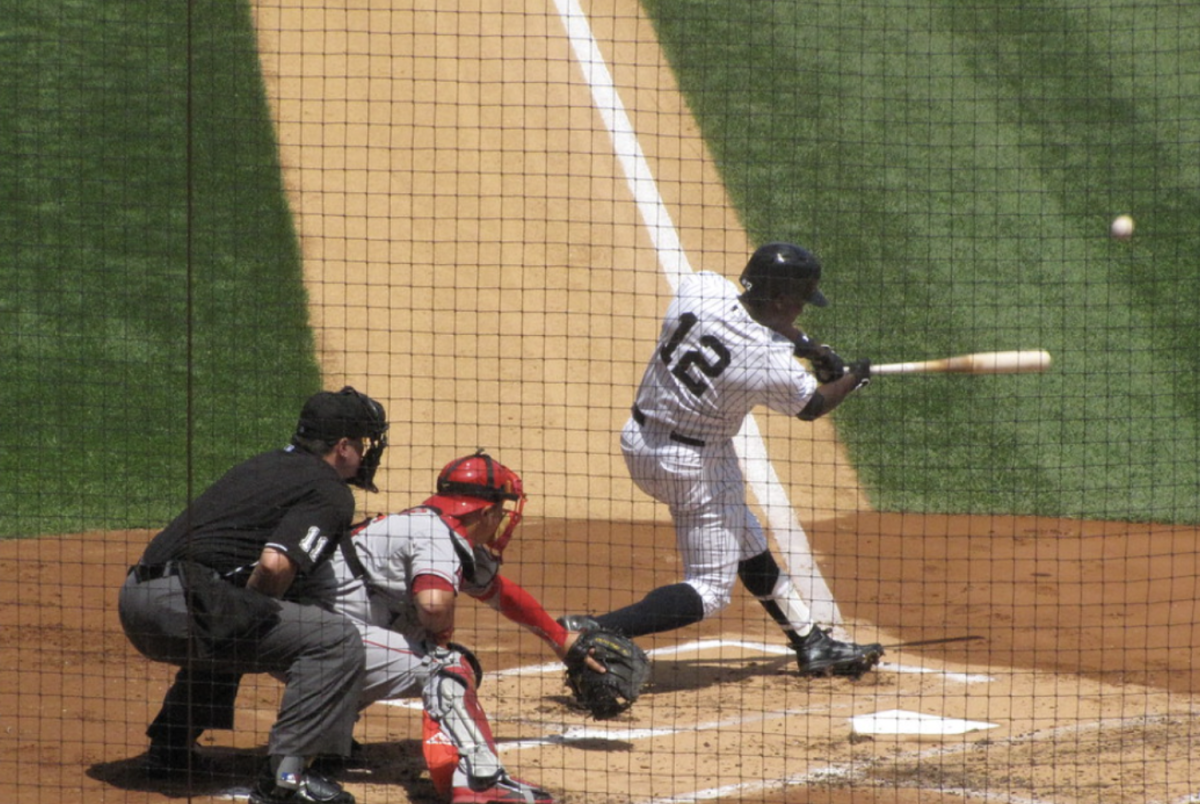































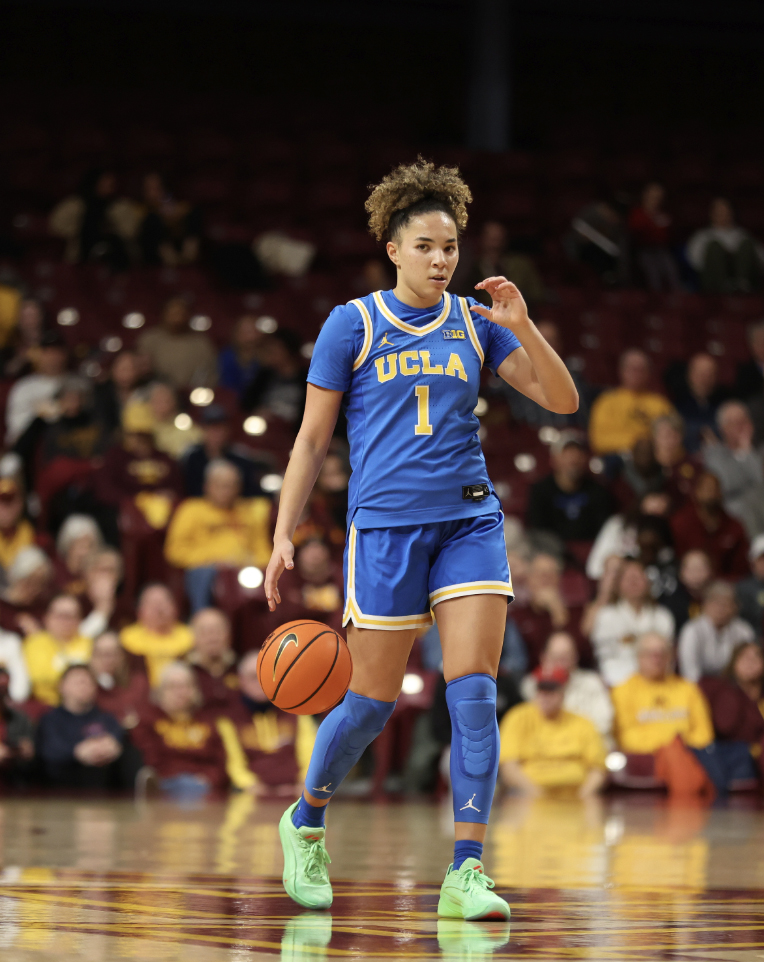
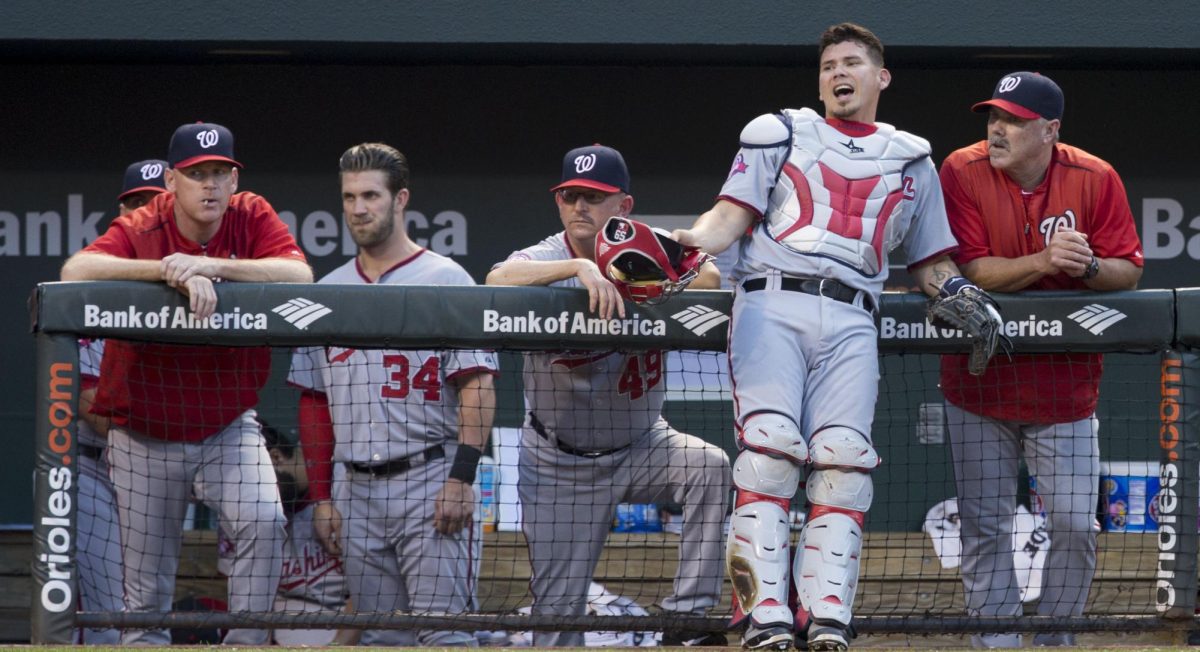

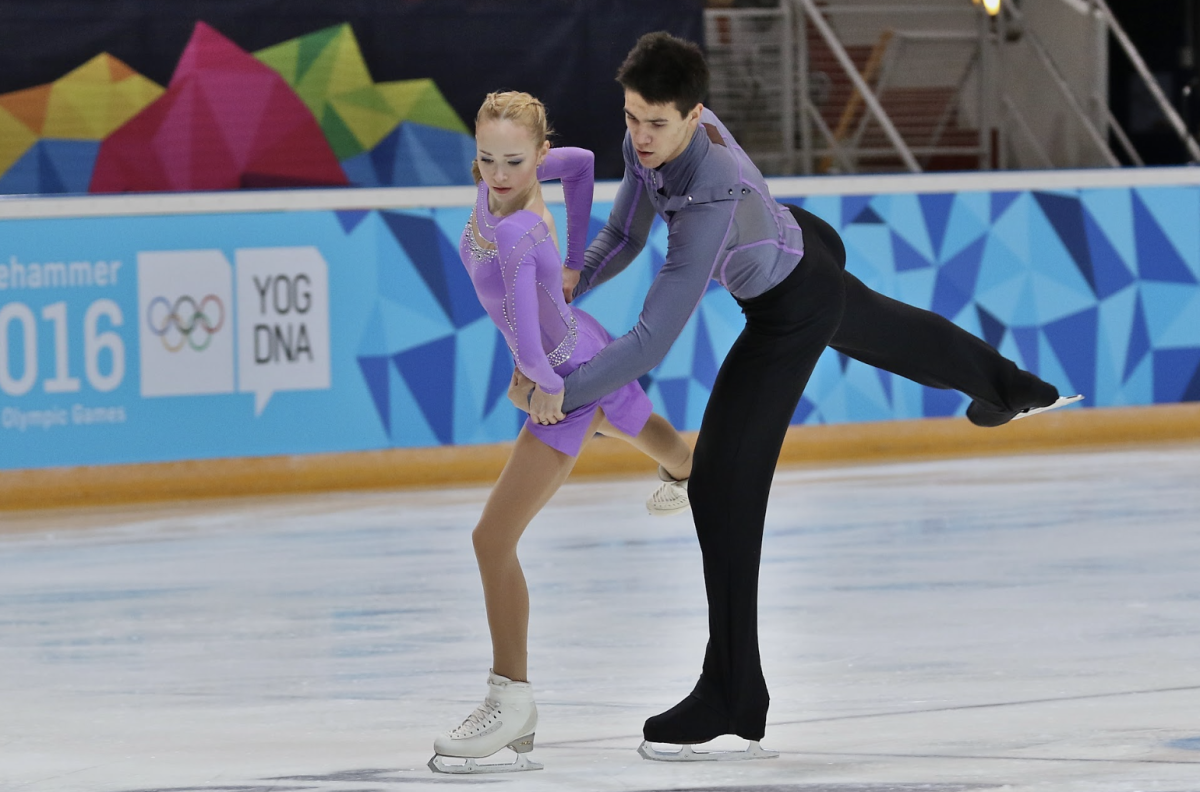
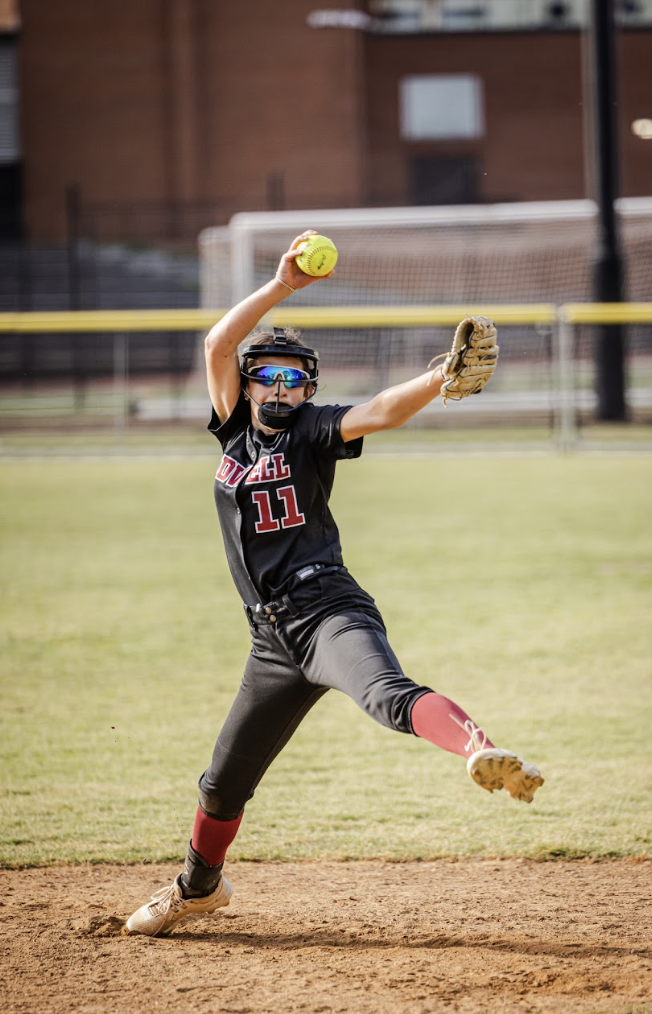

In addition to physical challenges, athletes face internal distractions — including negative thoughts, self-doubt and anxiety — as well as external pressures like expectations from parents and coaches. Research and sports psychology identify several strategies athletes can use to manage these distractions.
According to the NIH, some of the most common and effective methods to improve the mental side of athletic performance include meditation, visualization, positive self-talk and setting goals.
Mindful meditation has proven to be a helpful strategy for athletes to manage performance anxiety. According to Mayo Clinic, practicing meditation regularly will improve your ability to stay grounded and focused, even in high-stress situations.
Vikings quarterback J.J. McCarthy is a large proponent of using mindful meditation to improve his game. McCarthy meditates for 30 to 45 minutes every morning and for an additional 10 minutes before a game.
“I meditate before the game just to really get my mind set into that calmness, that emptiness where I can allow things to happen and I can react from a higher perspective instead of reacting out of reacting out of just straight impulse,” McCarthy said in an interview with Sports Illustrated. “Meditation is just a way that helps promote that longevity of that present moment that I feel.”
Visualization and positive self-talk are two other strategies used to support athletic performance. Visualization involves envisioning a specific aspect of one’s sport, such as scoring a goal, assisting a teammate or completing a routine.
This technique is used to rehearse skills and create a mental image of desired outcomes. Positive self-talk involves replacing negative or discouraging thoughts with constructive phrases of encouragement. This strategy can help athletes shift their attention back to the task at hand rather than focusing on mistakes.
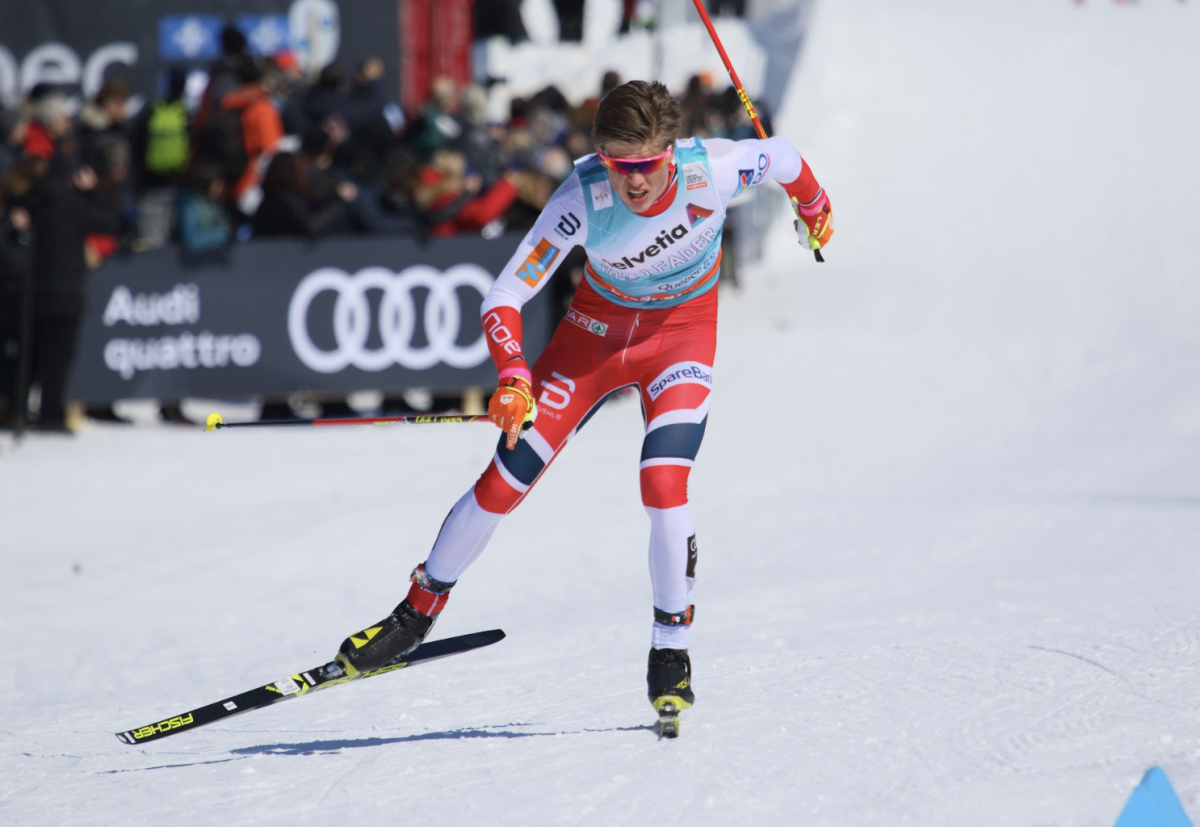
Four-time Olympic cross-country skier Kikkan Randall practices both of these methods. As a cross-country skier, Randall competes in long-distance events, which require sustained focus.
In an interview with Peak Performance Sports, she explained how she uses visualization to help her manage long distances.
“If I break the longer distances into pieces in my mind, it becomes surprisingly manageable. The best reference I ever heard on how to race a [30-kilometer] was from a coach who said to think of it like a book,” she said.“Every few kilometers you’ll go through different chapters — some will be good chapters; some will be bad chapters. But through it all, you just think about getting to the next chapter.”
Randall also applies positive self-talk during her races.
“I pick out a few key words before the race that if I feel like I’m getting distracted or negative, I can remind myself of those key words… Just repeating a few of those words over and over again can bring my mind back,” she said.
An additional strategy to improve the mental aspect in sports is to set goals for yourself. A common goal-setting framework is the SMART goal: specific, measurable, attainable, relevant and time-bound.
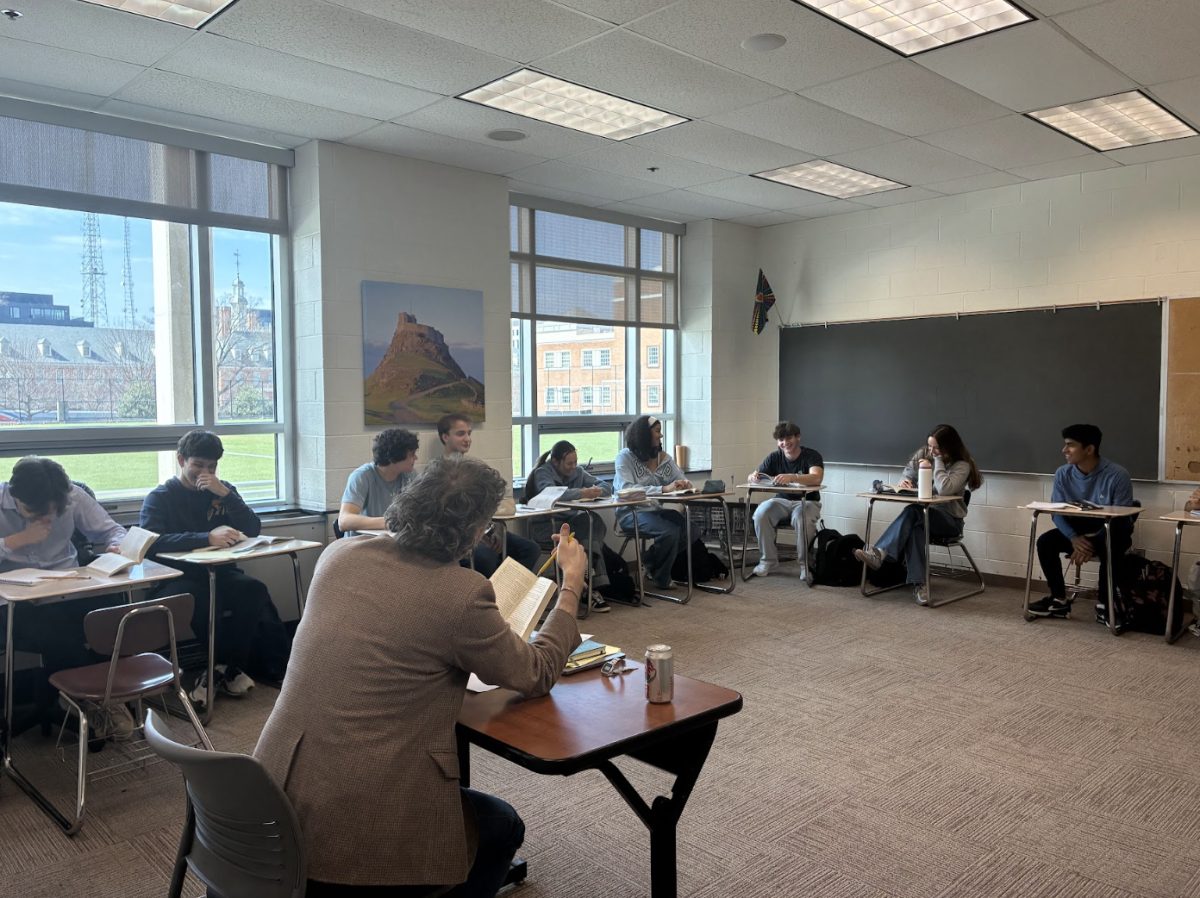
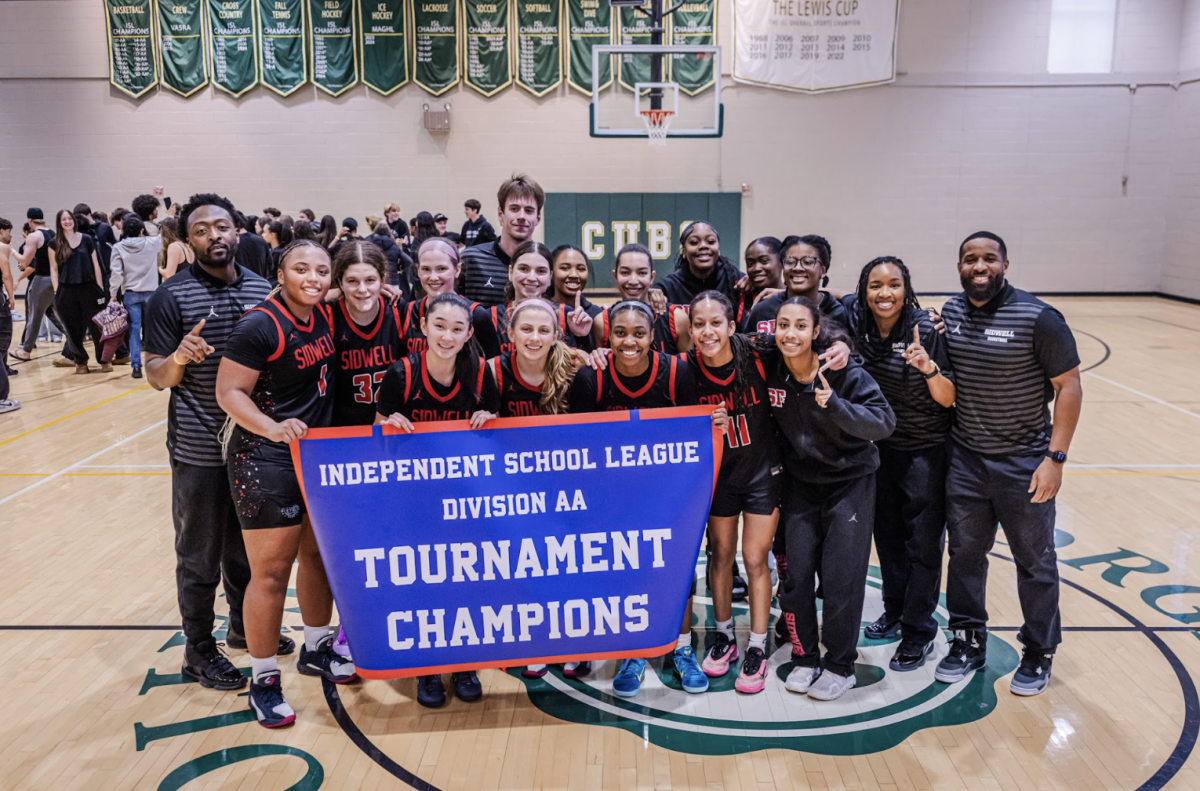
SMART goals are used to track progress and clarify both short-term and long-term objectives. These strategies are typically most effective when practiced consistently over time. Sidwell promotes this strategy in particular, as the Sidwell Leadership Academy veterans group constructed SMART goals together. Together, these mental skills provide athletes with structured tools to manage challenges and support sustained performance both on and off the field.