








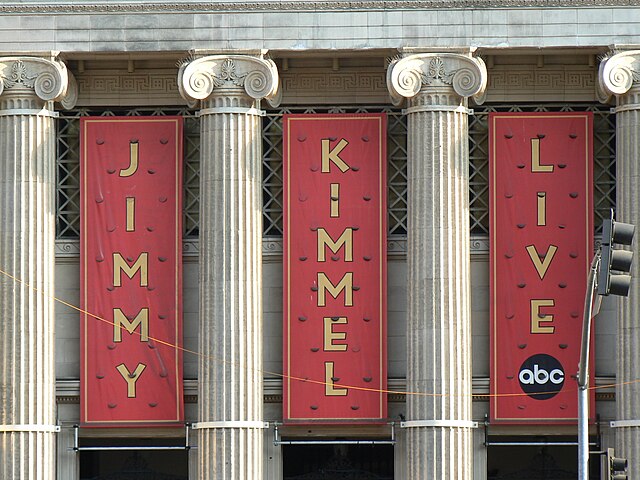
After the recent “Jimmy Kimmel Live!” controversy, many Americans have begun to question the future of free speech and entertainment in the United States.
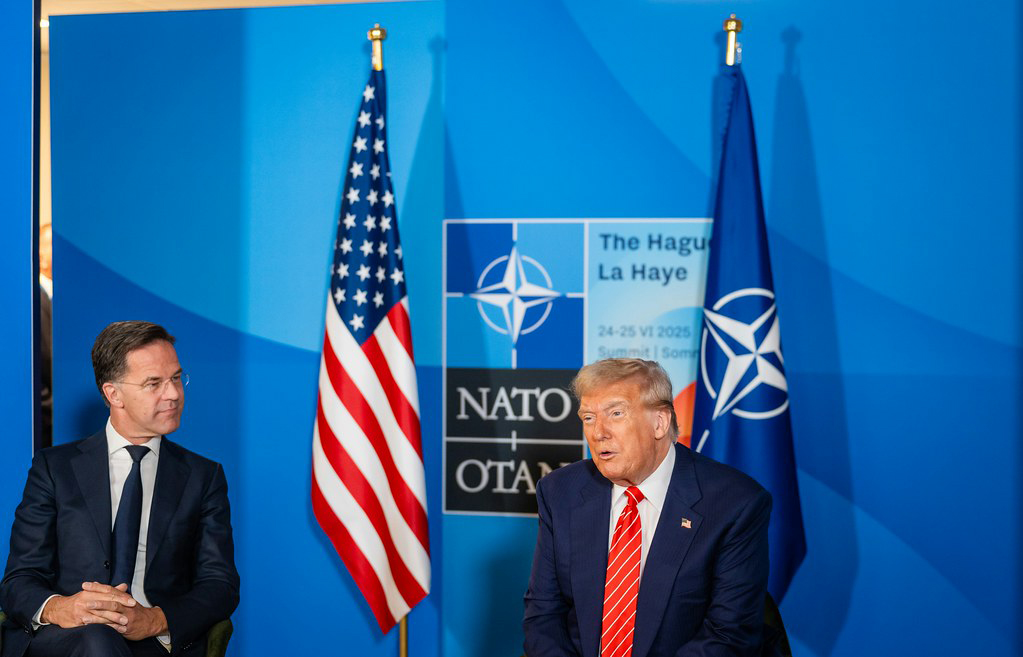
The incident began on Sept. 15, when late-night host Jimmy Kimmel made remarks about the assassination of political commentator Charlie Kirk. The comments drew sharp criticism from conservative figures, including former President Donald Trump.
In response, Nexstar Media Group — the company that owns 28 ABC-affiliated stations and broadcasts “Jimmy Kimmel Live!” — announced it would temporarily pull the show from its network. Federal Communications Commission Chair Brendan Carr also condemned Kimmel’s remarks, accusing him of misleading the public.
Amid backlash, ABC suspended production of “Jimmy Kimmel Live!” on Sept. 17, two days after Kimmel’s comments aired. Following internal discussions between Kimmel, ABC executives and other stakeholders, the network announced the show would return on Sept. 23.
ABC officials defended the reinstatement, saying Kimmel had the right to “say what Jimmy wants to say.” Many on the political left echoed that sentiment, arguing that free speech — even when controversial — must be protected. When the show returned, it did so under intense public scrutiny.
However, the controversy goes beyond Kimmel’s reinstatement — it centers on the suspension itself. The timing and nature of the decision suggest that it may not have been purely a business choice, as Trump claimed, but one influenced by political pressure from Trump and Carr. This is not the first time a liberal-leaning late-night show has faced similar scrutiny.
Earlier this year, CBS announced the cancellation of “The Late Show with Stephen Colbert,” with its final season set to air through May 2026. While CBS cited financial reasons, speculation quickly spread that criticism and political threats from Trump and Carr played a role in the decision.
This trend raises alarms about First Amendment violations as well as the growing pattern of government influence over media outlets, particularly those with liberal hosts. The First Amendment was designed to protect speech from government interference — not to be bent for political convenience.
If unchecked, this erosion of free speech and free press could leave the United States with little more than the memory of the freedoms the Constitution guarantees by the time the 2028 election arrives.
