


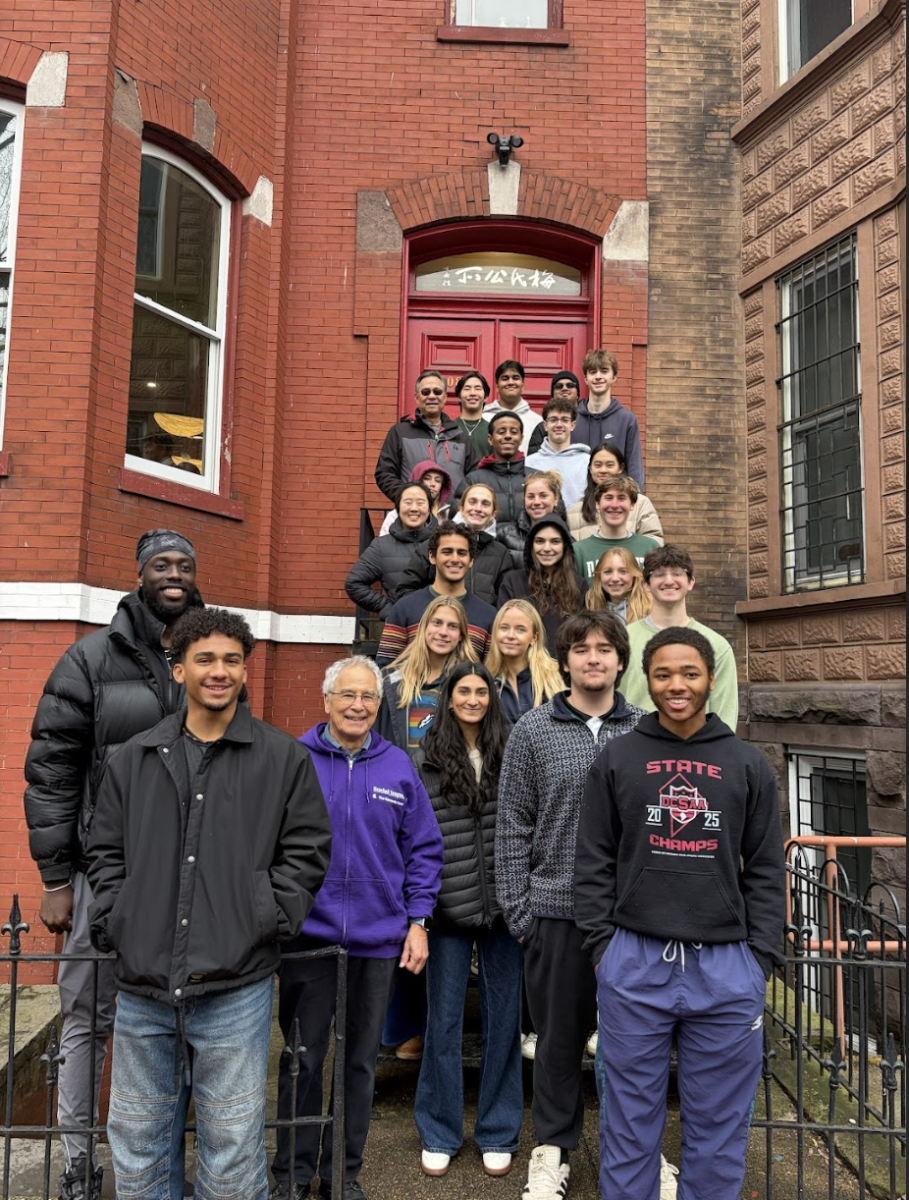

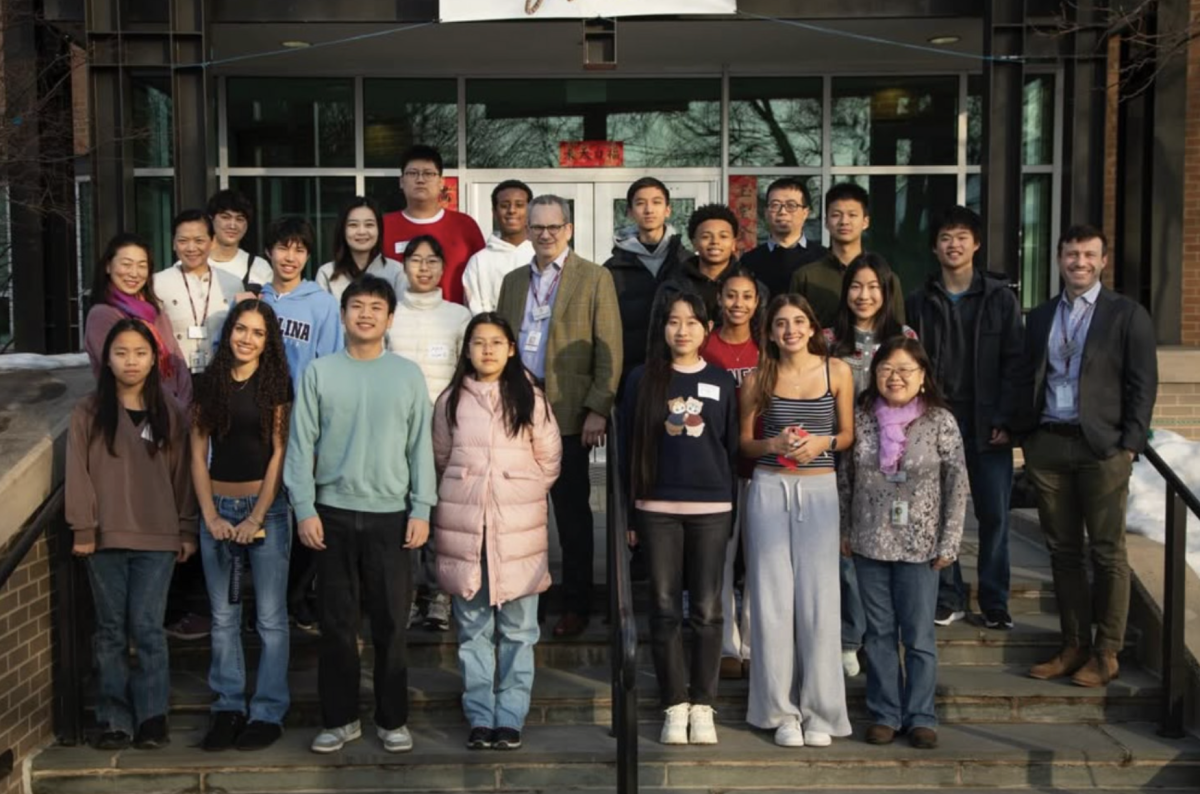




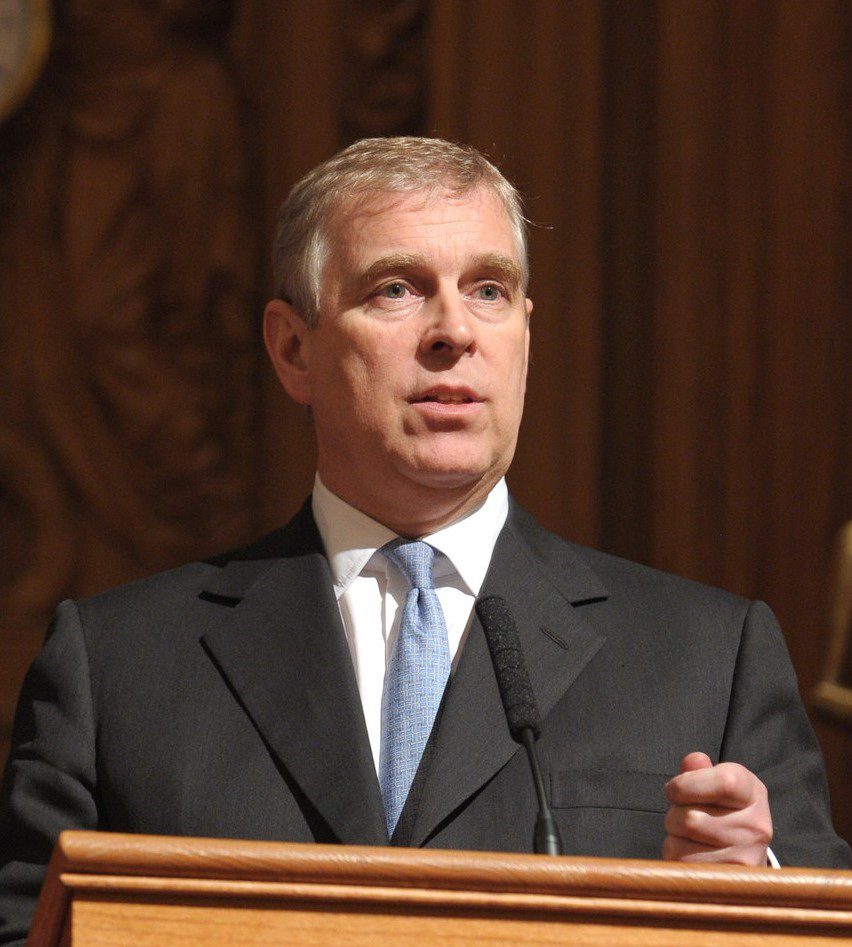
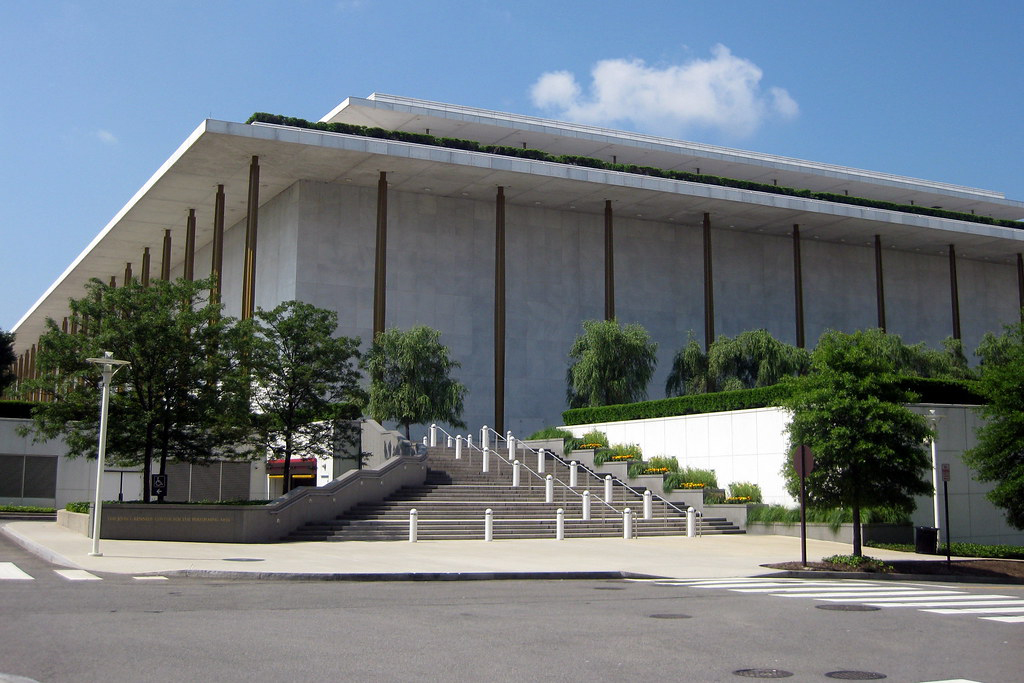
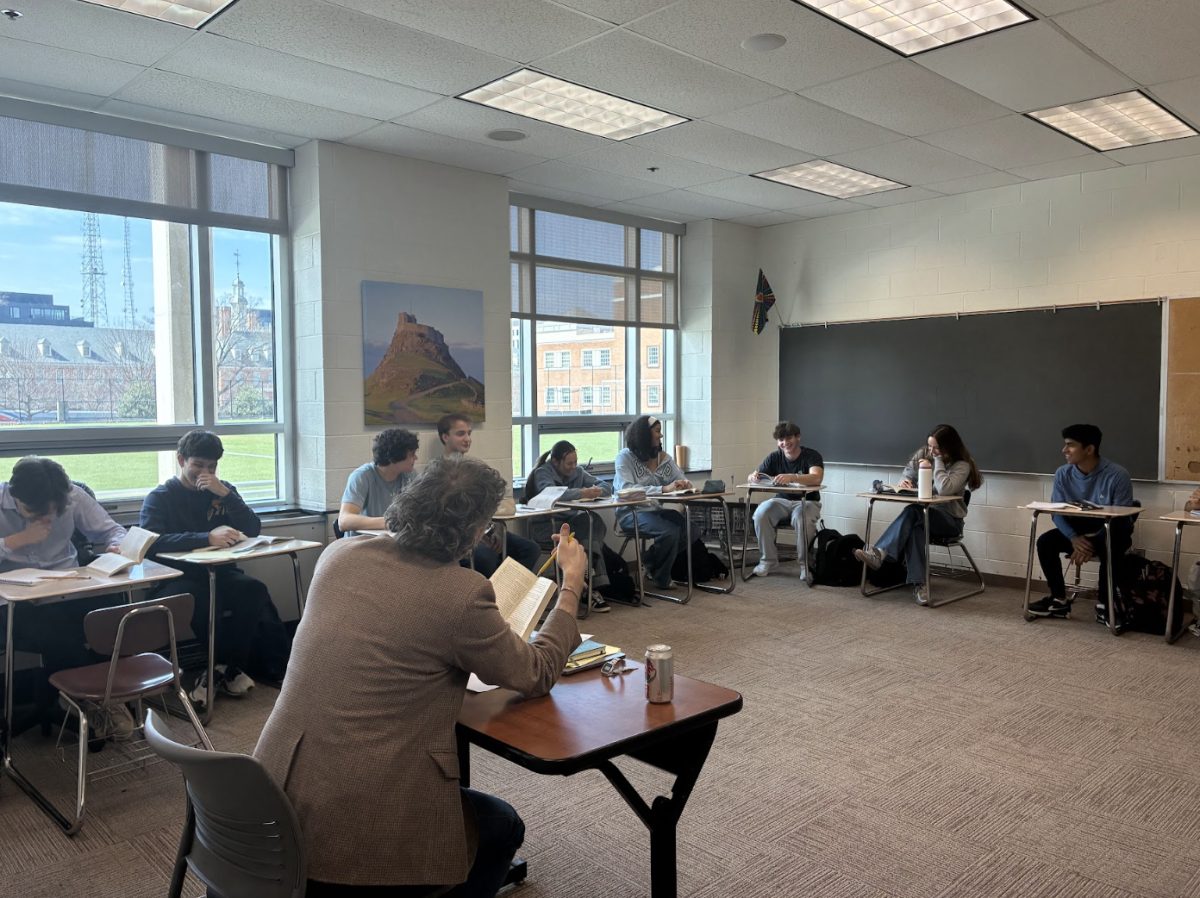


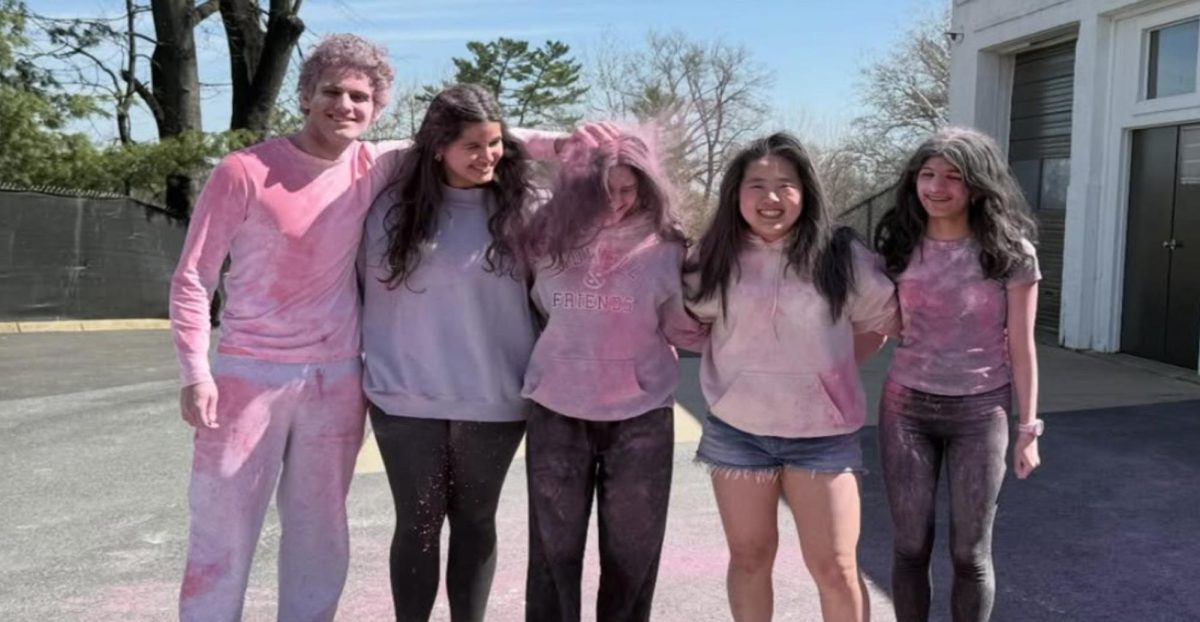












On Sept. 15, students from the Latin American Society (LAS), along with faculty supervisor Silvana Niazi, attended the Visioning Summit for the National Hispanic Foundation for the Arts (NHFA). The conference served as a space to celebrate Latino talents in the entertainment industry, where workers often lack appreciation and representation. The event was run by NHFA and partially funded by a former Sidwell parent. Through these connections, Sidwell students were able to attend and even participate in parts of the summit. The event contained multiple panels, each of which regarded a different aspect of Latino involvement within the entertainment industry. Senior Vincent Cohen spoke on a panel that regarded the effects social media has on mental health.
One of the panels included Esai Morales, a Latino actor who played the villain in the new Mission Impossible movie.
On the panel, he and other Latino actors and actresses discussed a recurring theme of being asked to play Mexican characters, even when they themselves are not necessarily Mexican. Niazi described the sentiments the panelists displayed as “the unease of having to do that and feeling like an impostor.”
This panel also addressed the lack of representation of Latinos in the entertainment industry, a problem Niazi says materializes both on and behind the camera.
Other attendees noted the interactive nature of the presentations. LAS head senior Jacob Osorio-Buitragio said “the collectiveness of the people there” stood out to him. “It didn’t feel as though the panelists were giving a talk to the TV but instead were having a conversation with the audience itself.”
While the majority of the panels were primarily about entertainment, some applied to the larger mainstream media. MSNBC news correspondent Maria Teresa Kumar analyzed Latino voting patterns in the 2024 Presidential election. Kumar explained that the swing of Latino voters towards the right can be explained by realizing that many Latinos don’t see themselves represented in mainstream media. This often leads to Latinos looking to alternative sources for media coverage that, according to Niazi, “end up polarizing and sometimes misinforming the Latino vote.”
“I enjoyed that panel because on the one hand [it] presented a hypothesis in terms of explaining what’s going on and why the Latinos have been voting the way they have,” Niazi said. “On the other hand [public relations consultant,] Kristian Ramos kind of unpacked some of the trends based on the data he’s seen.”
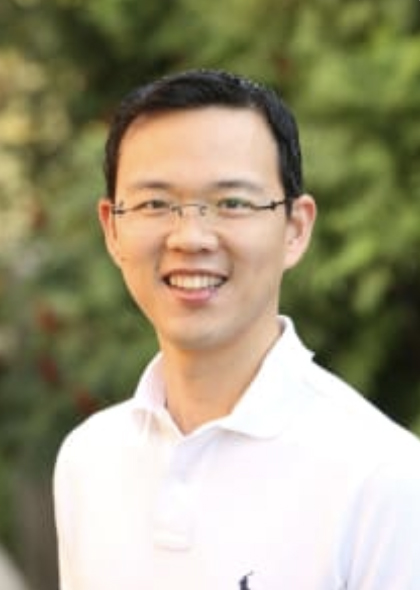
After the summit ended, Sidwell students met with Ramos, the Media and Public Relations Consultant at Autonomy Strategies, who talked on the panel that covered “Media, Politics and Civic Trust.” Later, on Oct. 8, Ramos came to Sidwell and talked to LAS along with other students on the role of public relations in the greater world. Niazi said she hopes this event will be the beginning of a snowball effect that will result in Sidwell gaining a wider range of speakers.
Niazi hopes the summit gave students who attended a view of the world outside of Sidwell. The exposition given to students was “a chance to kind of see what the professional adult world is like, so I thought that was another kind of reward or benefit that came from the experience for students.”
To end the conference, Morales gave a closing speech that Osorio-Buitragio described as an homage to the “beauty of being Latino and a part of the culture that oftentimes the media doesn’t portray.”
“Overall, the experience was amazing,” Osorio-Butragio said. “I hope that future LAS students will be able to go to this conference in the future as it really elevates the proudness one should have of being Latino that isn’t depicted in the media today.”