





While most people think of Washington as the center of political power, the city also has a long, chilling history of ghost stories rooted in its most iconic buildings, streets and even rivers. From Capitol Hill cats to presidential phantoms, this city is filled with stories of sorrow, mystery and unfinished business.
This October, forget the jump-scare movies and haunted hayrides. The real spine-tinglers are the stories right in Washington.
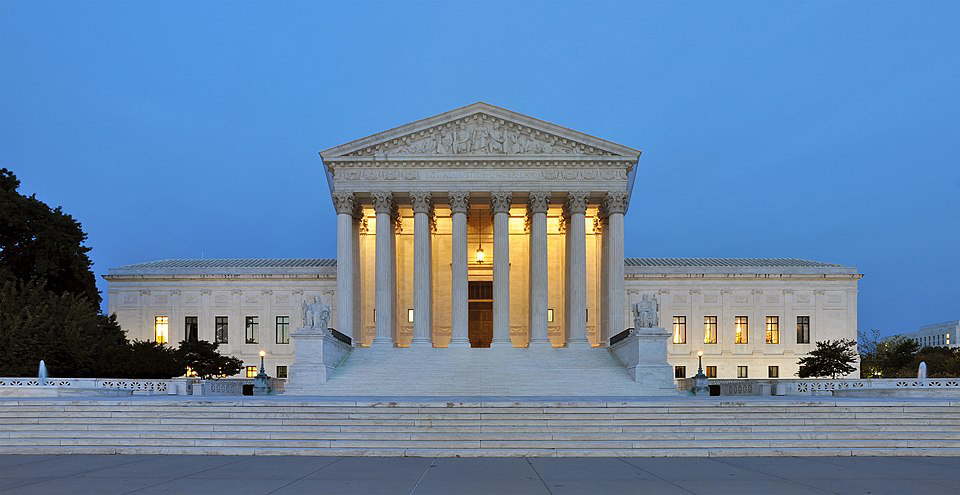
One of the most famous ghost tales in Washington is the legend of the Demon Cat. According to a 1898 Washington Post article, this ghostly feline begins as a regular housecat, but quickly grows to “the size of an elephant before the eyes of a terrified observer.” The cat is said to appear inside federal buildings, particularly the U.S. Capitol and the White House, often right before national tragedies.
The first recorded sighting of the Demon Cat was in the basement of the U.S. Capitol, where a guard reportedly fired his gun at the cat before it vanished into thin air. Following this were numerous other sightings in the same location. Others have claimed to see the Demon Cat in the White House basement before national disasters.
The White House Historical Association reported that White House guards and nightwatchmen spotted the feline shortly before the 1929 stock market crash and again before the assassination of former President Kennedy in 1963.
According to the Washington Post, in 1935, one eyewitness claimed the cat’s eyes glowed “with the hue and ferocity of the headlights of a fire engine.” Over time, this mysterious creature has become a chilling omen of disaster.
The Demon Cat is not the only ghost said to roam White House halls. In fact, Abraham Lincoln’s ghost has been spotted there more times than any other spirit. In the 1920s, First Lady Grace Coolidge said she saw Lincoln gazing out a window in the room that had been his office. Queen Wilhelmina of the Netherlands reportedly fainted after seeing him in the Lincoln Bedroom and the Yellow Oval Room.
During World War II, Winston Churchill claimed to have emerged from a bath, cigar in hand, only to find Lincoln standing by the fireplace. His encounter is recorded in Mark Nesbitt’s “Civil War Ghost Trails: Stories from America’s Most Haunted Battlefields.”
President Ronald Reagan’s dog Rex refused to enter the Lincoln Bedroom, barking at the door as if something, or someone, were on the other side.
Hillary Clinton was also disturbed at times, and she remarked in 1996 that “there is something about the house at night that you just feel like you are summoning up the spirits of all the people who have lived there and worked there and walked through the halls.”
Lincoln is not alone, though. President William Henry Harrison, the first to die in the White House, is said to haunt the attic. Andrew Jackson has reportedly been heard stomping and swearing in the Rose Room. Thomas Jefferson supposedly still plays his violin in the Yellow Oval Room.
One of the most unusual ghosts is Dolley Madison, the First Lady known for her elegance, and now, her gardening.
According to White House gossip sites, when staff tried to move her beloved rose garden, her ghost appeared and scared them off. Gardeners have reported seeing her spirit watching over the plants she once cultivated, and the garden remains in its original spot to this day.
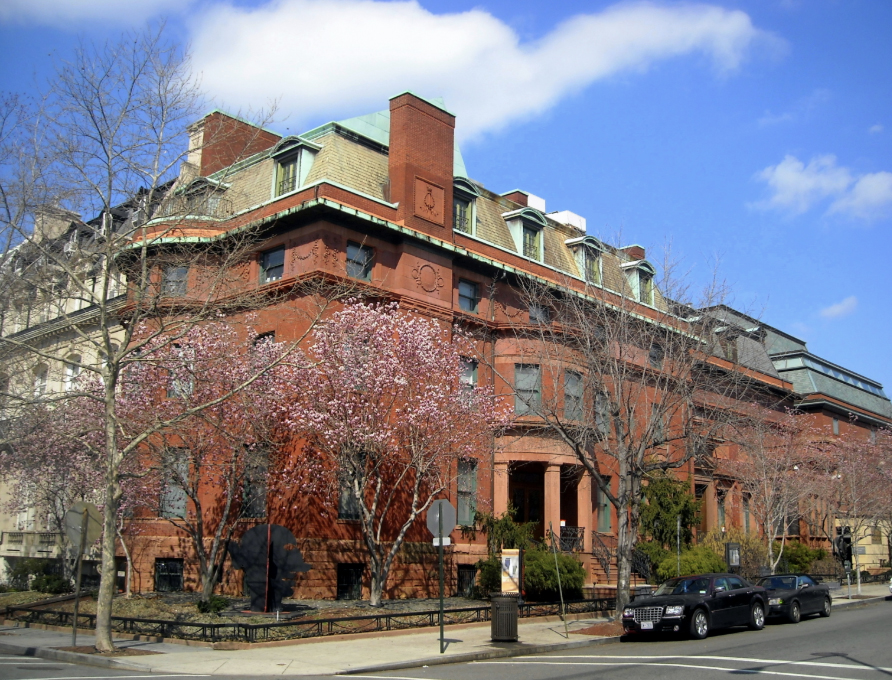
Octagon House, one of Washington’s oldest and most haunted residences, also has many fantastical stories. Built by Colonel John Tayloe III in the early 1800s, the Octagon House has a dark history. Legend has it that two of Tayloe’s daughters died after separate arguments with their father, one falling from the second-floor landing, and the other from the third.
To this day, people report seeing candlelight moving up the spiral staircase on quiet nights. A noticeable cold spot often appears at the bottom of the stairs, where one of the daughters supposedly lay in a pool of blood. Visitors and staff claim that no matter how often they straighten the carpet there, it is always disturbed again by morning.
Other haunted happenings include bells ringing on their own, footsteps in empty halls and a hanging lamp that swings without wind.
Even the Potomac River has ghosts. Just west of Key Bridge sit the Three Sisters Islands, tied to an eerie Native American legend. According to the story, three sisters set out across the river to find their missing brothers.
When their raft capsized in the rough current, the sisters drowned. In their final moments, they cursed that stretch of the Potomac, saying no one would cross the river where they had failed.
Now, the islands mark the site of their deaths, and boaters say that just before the river claims another life, a strange moaning can be heard drifting from the direction of the islands.
According to Ghosts of D.C., locals call it a warning from the sisters’ restless spirits, one last cry before the waters pull someone under.
Additionally, just minutes from Sidwell’s campus, the legendary Exorcist Steps in Georgetown have become one of Washington’s most iconic spooky sites. These steep stone stairs, tucked between M Street and Canal Road, rose to fame after being featured in the 1973 horror classic “The Exorcist,” particularly in the film’s terrifying final scene.
In fact, Georgetown University notes that many scenes were filmed on and around the location, with about 300 students from the university serving as extras.
Today, the steps are officially recognized as a historic landmark and draw curious visitors year-round.
The proximity of the steps offers Upper School students an accessible slice of Washington’s haunted heritage and a walkable piece of cinematic and supernatural history, a place where film legend, urban lore and real Washington geography intersect.
This Halloween, as you carve pumpkins or binge scary movies, remember: Washington’s true chills come not from haunted houses you pay to enter, but from the very real legends passed down through generations, right here in the heart of the capital.
So the next time you are walking past the Capitol after dark or standing near the river when the wind picks up, ask yourself: what parts of Washington’s history are still…alive?