




















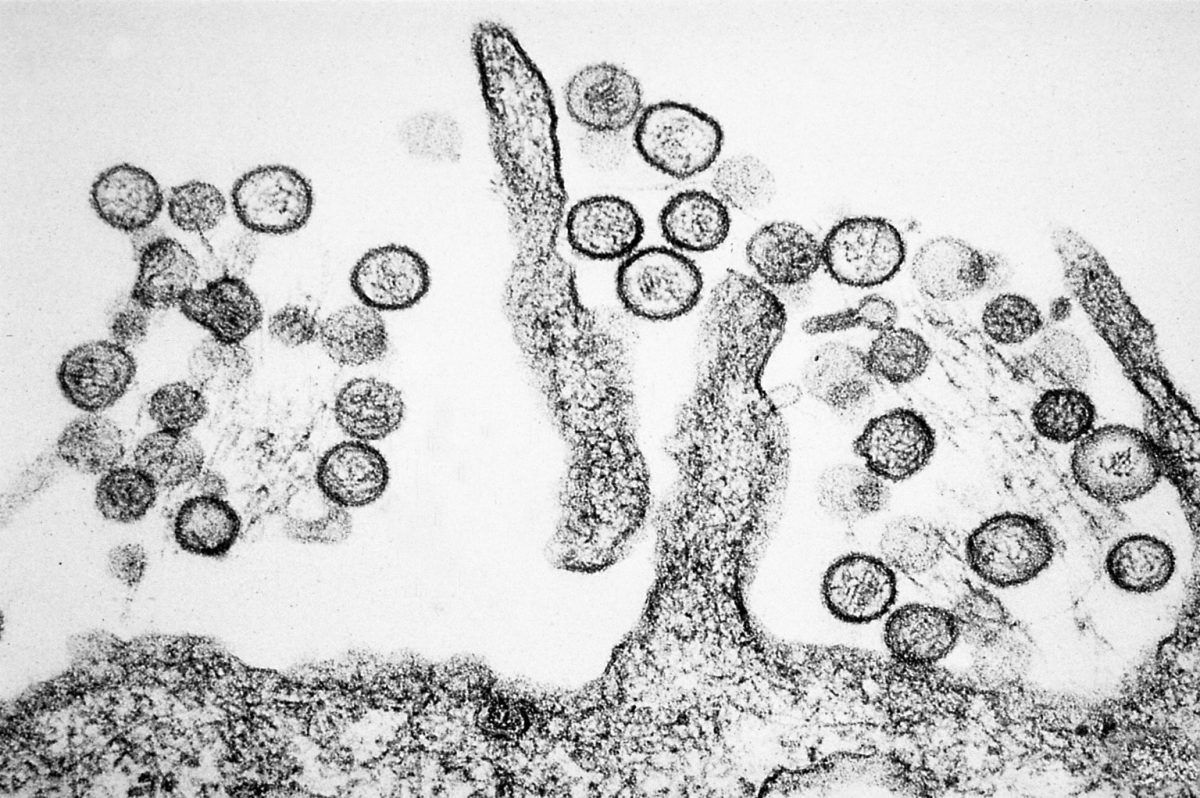
After 11 passengers on the MV Hondius cruise ship contracted the Andes strain of Hantavirus, all of the ship’s passengers were evacuated to Tenerife, Spain on May 10 and 11. According to the World Health Organization, as of May 13, three of the infected have died and others remain on life sustaining support, giving the cruise ship a 27% case fatality ratio.
The Center for Disease Control (CDC) finds that the Andes strain, endemic to South America, is the only type of hantavirus that can spread between humans, causing respiratory disorders known as Hantavirus Pulmonary Syndrome (HPS). HPS is highly deadly — the mortality rate of Andes Hantavirus is around 40%. According to Mayo Clinic, early symptoms of the virus are flu-like, progressing to include pulmonary and cardiovascular problems.
According to CNN, 122 passengers and crew members disembarked the ship in Spain. From there, they boarded return flights to their home countries. 27 crew members and medical professionals continued on, planning to disembark in Rotterdam, where the ship is scheduled for disinfection and cleaning, on May 18.
American citizens aboard the cruise ship who were potentially exposed to the virus have been relocated to various quarantine facilities across the country. According to NPR, over a dozen passengers have been moved to a quarantine facility at the University of Nebraska Medical Center. On May 11, they began their 42 day quarantine, subject to daily monitoring for symptoms.
Some passengers, however, have quarantined at home. Around 20 MV Hondius passengers, many of whom left the ship before the outbreak was discovered, are quarantining at home. In addition, health officials are working to prepare for the return home of the passengers quarantined in Nebraska. “We’re developing plans with the passengers and the jurisdictions [in which they live],” said David Fitter, incident manager at the Centers for Disease Control and Prevention, in an interview with NPR.
Sidwell students have expressed reactions to the virus ranging from indifference to concern. Junior Rowan Dobranski said that “everything will be fine,” “find[ing] it hard to believe” that Hantavirus will “spread [as] fast and far” as COVID-19, especially because scientists “are very aware of it.” Sophomore Naomi Gedan noted that she “doubt[s] that it’s going to cause a full-spread lock down.”
“I don’t want [Hantavirus] to be another pandemic,” said sophomore Shou Iimi. “America needs to take the correct safety precautions similar to those of Spain and [other nations].”
Multiple students stated their fear of losing the rest of their high school experience to another pandemic.“I hope that it doesn’t cause a pandemic because I would hate to be on lockdown for the rest of high school,” Gedan said. “It better not be another Covid,” said sophomore Maggie Kendall, noting that the pandemic “made [her] isolated in a way that [she] doesn’t want to happen again.”
Social media platforms like Tiktok, Instagram and X have fueled the spread of misinformation. The New York Times adds that artificial intelligence further complicates the situation. One TikTok video shows an A.I.-generated heat map of hantavirus cases with dozens of red clusters spread around the globe, while in reality, only 11 cases have been confirmed.
“Hantavirus is being exaggerated due to social media presence,” said sophomore Apollo Holder. Holder noted that he “see[s] multiple posts [daily that all discuss] how Hantavirus will cause the next worldwide pandemic or [how it will] induce detrimental effects.”
Gedan also noted that, due to the US political situation, there may be less resources available to combat the spread of hantavirus. Recently, according to the New York Times, the Trump administration has cut funding to vital parts of the CDC. Numerous American politicians have also contributed to the spread of health misinformation — for example, Health Secretary Robert F. Kennedy Jr. suggested that the COVID-19 virus targeted certain ethnic groups. “Trump’s current health policies mean that America isn’t as prepared as it could be for another pandemic,” Gedan said.
In an interview with TIME magazine, disease and fungus expert Michael Osterholm expressed concern at the United States’ readiness to combat infectious disease. “We are in worse shape now than we were literally before the COVID pandemic,” Osterholm said.