
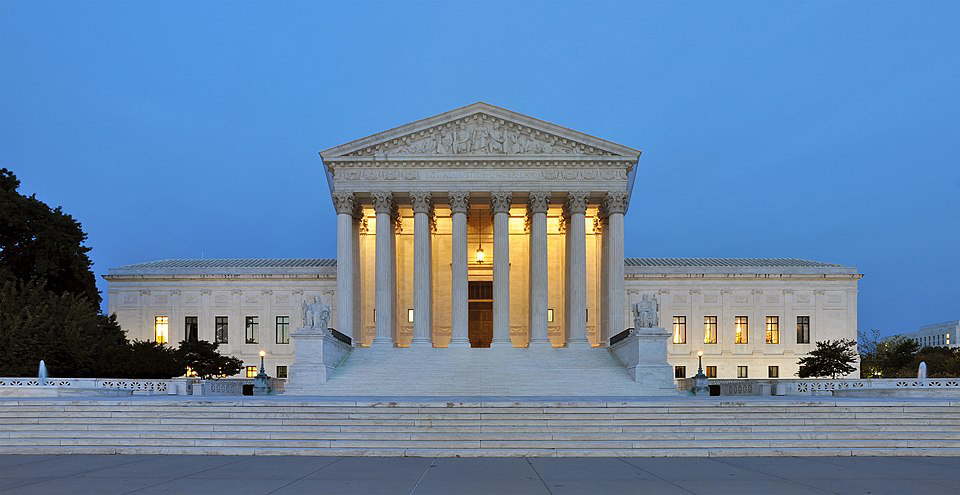
















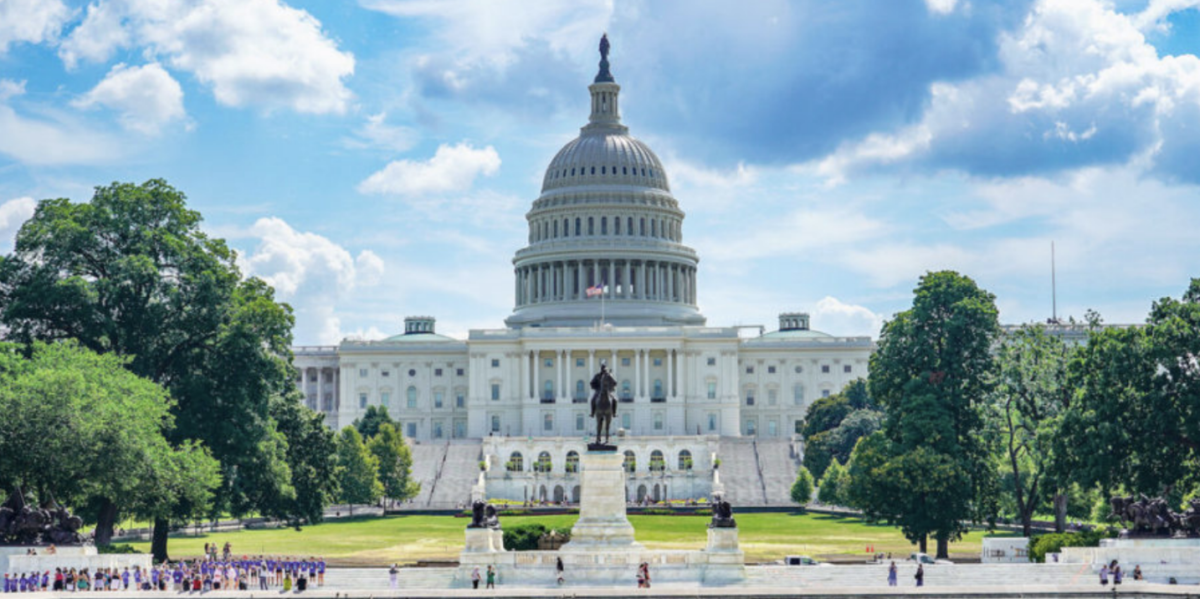
A congressional stalemate between Democrats and Republicans over the government budget caused the federal government to shut down from Oct. 1 to Nov. 13. This was the longest shutdown in US history, breaking the record from the last shutdown in 2018.
To end the shutdown, eight members of the Democratic Caucus in the Senate and six in the House voted with the Republicans on the bill that refunded the government. The bill was signed into action by President Donald Trump on Nov. 13.
Sidwell Friends students and faculty responded to help members of the Washington community during the shutdown. This assistance came in the form of actions taken by individuals, student clubs and the Sidwell administration.
During the shutdown, Supplemental Nutrition Assistance Program (SNAP) payments were halted. SNAP is a federal program that provides low-income Americans with monthly benefits to supplement grocery budgets. In the Washington area, over 100,000 families rely on SNAP benefits. The suspension of SNAP increased the economic uncertainty already present after thousands of federal employees faced unemployment during the shutdown.
In response to the expiration of SNAP benefits, Sidwell’s Families4Families Club worked with the nonprofit Horton’s Kids to hold a grocery and toiletry donation drive. In addition to collecting food items and sanitary products, the club held a volunteer event on Nov. 8.
Seniors Avery Wincup and Emma Canan along with junior Maisy Morowitz lead the club. According to Wincup, the drive was able to collect over 400 grocery items and “many people reached out to extend their support even if they could not [volunteer].”
She added that the community’s response was “absolutely phenomenal” and it spoke “to how connected Sidwell is to our neighbors and broader community.”
Wincup recognized that while the immediate economic upheaval of the shutdown has ended, it is still important forSidwell students and faculty to support the larger Washington community.
Though not specifically addressing the effects of the government shutdown, Latin American Society held their annual Thanksgiving food drive, working with Mary’s Center to provide meals for families in need around the greater Washington area.
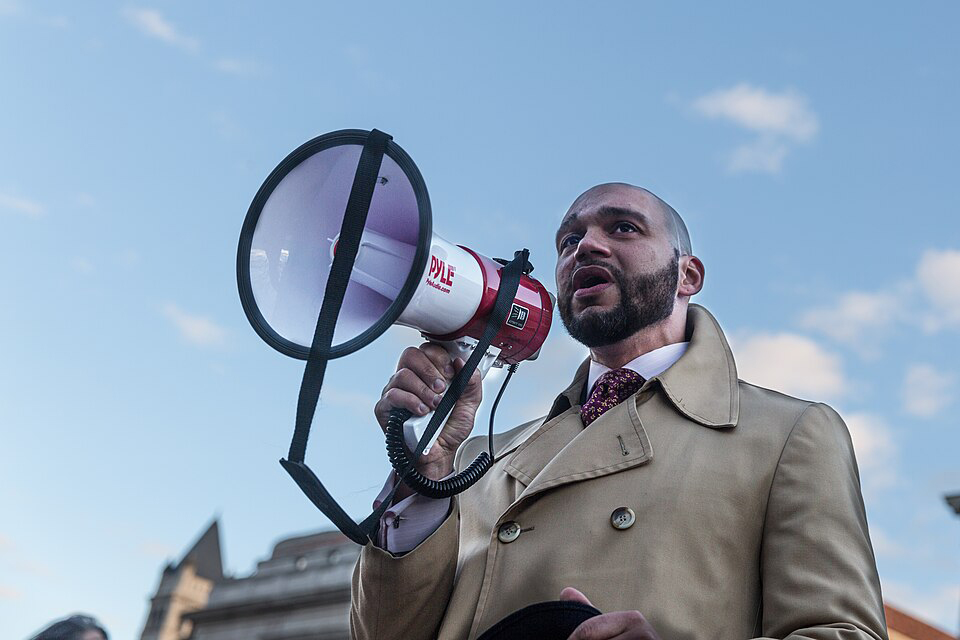
As well as directly helping people affected by the shutdown, student clubs created spaces for students to discuss and learn about the shutdown. Sidwell Political Union held a meeting on Nov. 6 to discuss the details of the shutdown.
In these discussions, students’ reactions to the shutdown have varied. A survey sent out last month at the beginning of the shutdown had ratings of general concern ] ranging at about three out of five. However, this only reflects a small portion of the Washington population and may not reflect the greater populations’ feelings about the shutdown.
In addition to student initiatives, the school reached out to both families and faculty to offer support in navigating the uncertainty financially. Starting the week of Oct. 19, the weekly Quaker Notes email has included a section on “Addressing Economic Uncertainty” that applies to the shutdown.
The note does not mention the shutdown specifically, and it applies for families experiencing “job loss or reduction of income for any reason,” but it extends Sidwell’s commitment to supporting families through accommodating adjustments to tuition payment schedules or through financial assistance. A similar note was sent to Sidwell employees on Oct. 30, encouraging them to contact the school if their families were impacted by the shutdown.
However, some think that the Sidwell administration could have done more to increase awareness about the shutdown and its effects. Sophomore Kaia Padmanabha believes “Sidwell should have made an announcement to the students about the shutdown to increase awareness.”
Padmanabha emphasized that there are spaces for the administration to introduce these ideas “in spaces such as tenth grade workshops and advisory.”
She noted that often these spaces were used for “civics lessons or other things that aren’t as relevant as the shutdown or other current events.”
Sophomore Victoria Wang echoed this sentiment and said that Sidwell’s interactions with the shutdown were “limited to club activities.”
Although the shutdown is now over, many families still face economic turmoil, a result of the failure to resolve the issues that caused it.
Even though government workers will be paid retroactively, over a million federal workers were unpaid for over forty days. Additionally, the last shutdown in 2018 caused billions of dollars of losses to U.S. GDP and the budget passed only funds the government until the end of January.
While the shutdown may be over, it will likely leave much room for uncertainty in Americans’ financial futures.