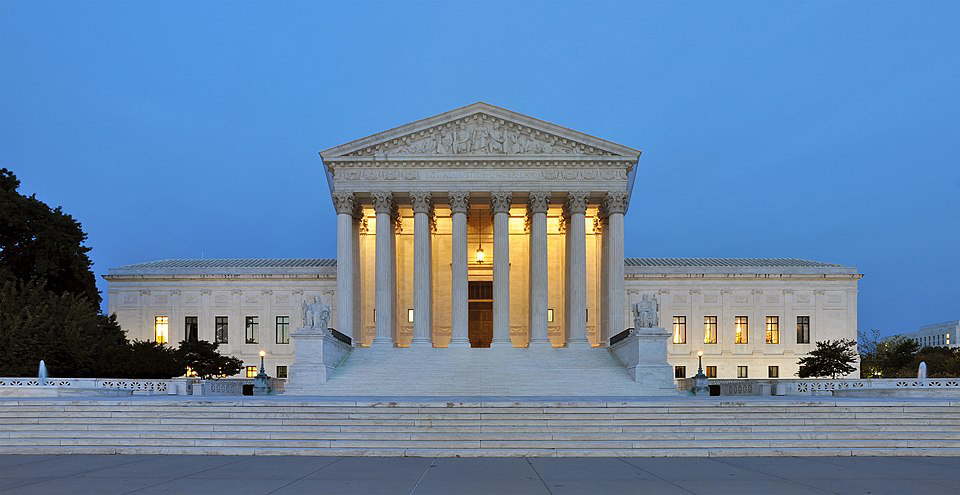









On Oct. 1, the U.S. federal government shut down after Congress failed to pass a government funding bill. 40% of the federal workforce was furloughed, while services deemed essential remained open. As a result, publicly funded museums, depending on government funding, shut down, including local institutions such as the Smithsonian museums. These institutions began reopening on Nov. 14.
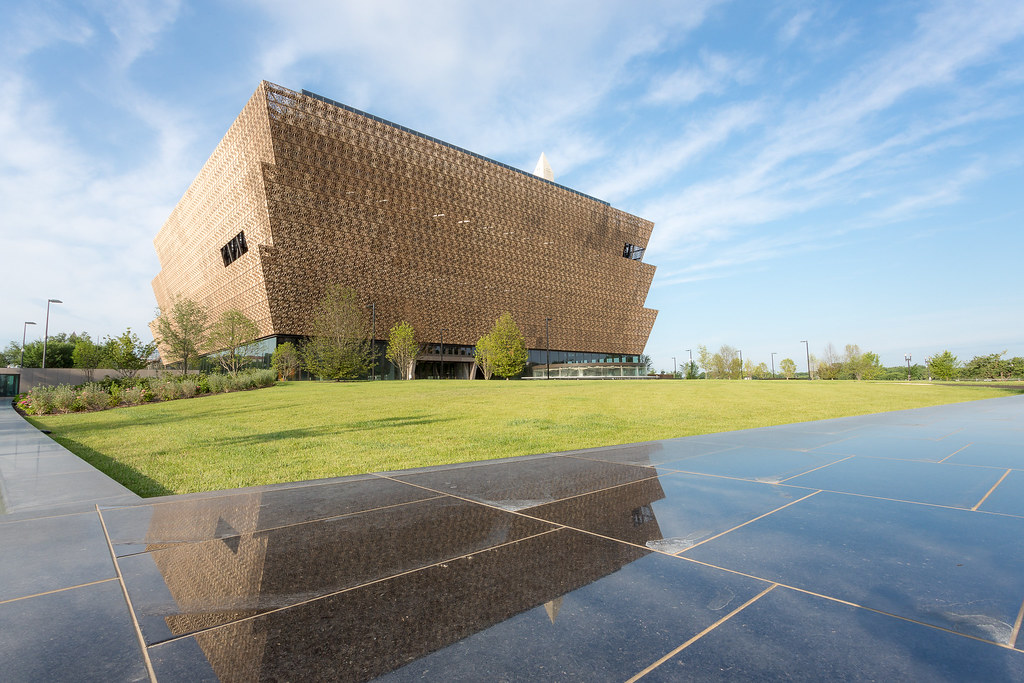
Many local institutions closed on the first day of the shutdown, including the Library of Congress. Meanwhile, the Smithsonian, which receives 62% of its funding from the federal government, announced it would continue operations until Oct. 12 using reserve funds, but then closed all 21 of its museums.
The Smithsonian National Zoo also closed on Oct. 12. The zoo reported on its website that its beloved pandas and other animals “w[ould] continue to be fed and cared for.”
Outdoor memorials and monuments like the Lincoln Memorial and the World War II Memorial remained physically open but without staff, tours or public restrooms for the duration.
The shutdown also affected Washington’s tourism, as the city’s main draw is its variety of federally funded institutions.
“I just got here last night for a conference, so I’m just arriving and realizing I’m not going to be able to see anything,” a visitor from Vermont told Newsweek. She expressed her disappointment that the city felt like a “ghost town” after they traveled, hoping to explore.
Dimitri Zalaf, owner of DC Food Wagon, asked a 7News reporter, “This is income, bringing money to the city. Why are we stopping it? Hey employees, we got no work. Food trucks, souvenirs, whatever vendors, you gotta go somewhere else. You can’t go anywhere. Where we gonna park?”
In October, hotel rooms in Washington were emptier than usual. According to the analytics company CoStar, revenue per available room decreased by nearly 9%, more than three times the national average decline.
Museums and federal sites plan short-term operations during a lapse in funding, making such last-minute closures possible.
Privately funded and locally supported museums, however, remained unaffected by the shutdown. For instance, local museums such as the Spy Museum, Museum of Crime and Punishment and the National Museum of Women in the Arts remained open but charged a small admission fee.
This government shutdown broke the record previously held by the 35-day shutdown under President Trump in 2018 as the longest in American history. According to the American Alliance of Museums, the 2018-2019 shutdown resulted in the Smithsonian Museums losing millions in visitors and revenue.
Beginning Nov. 14, following the end of the government shutdown, the Smithsonian Institution began opening its museums on a rolling schedule.