







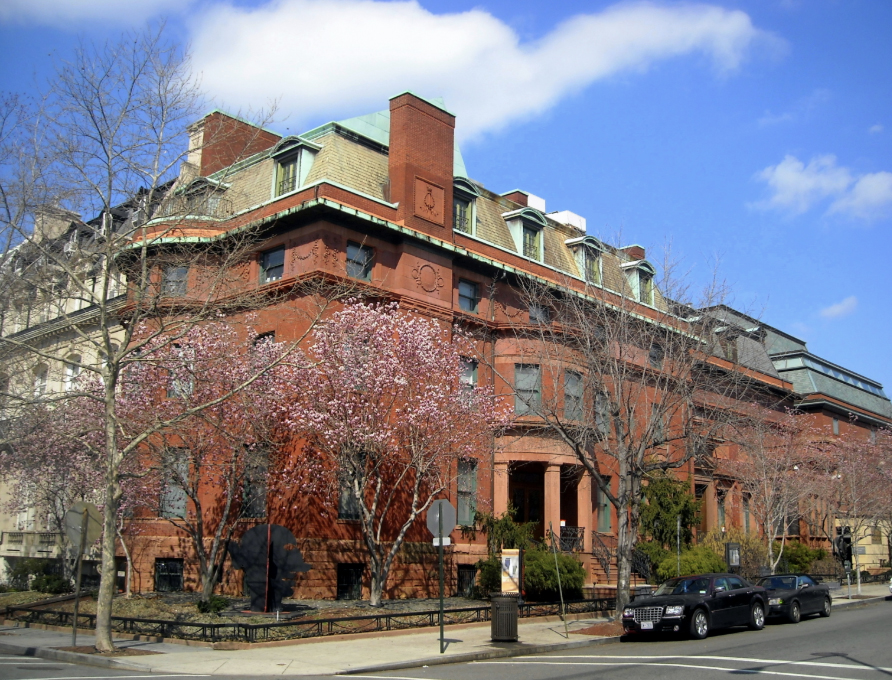


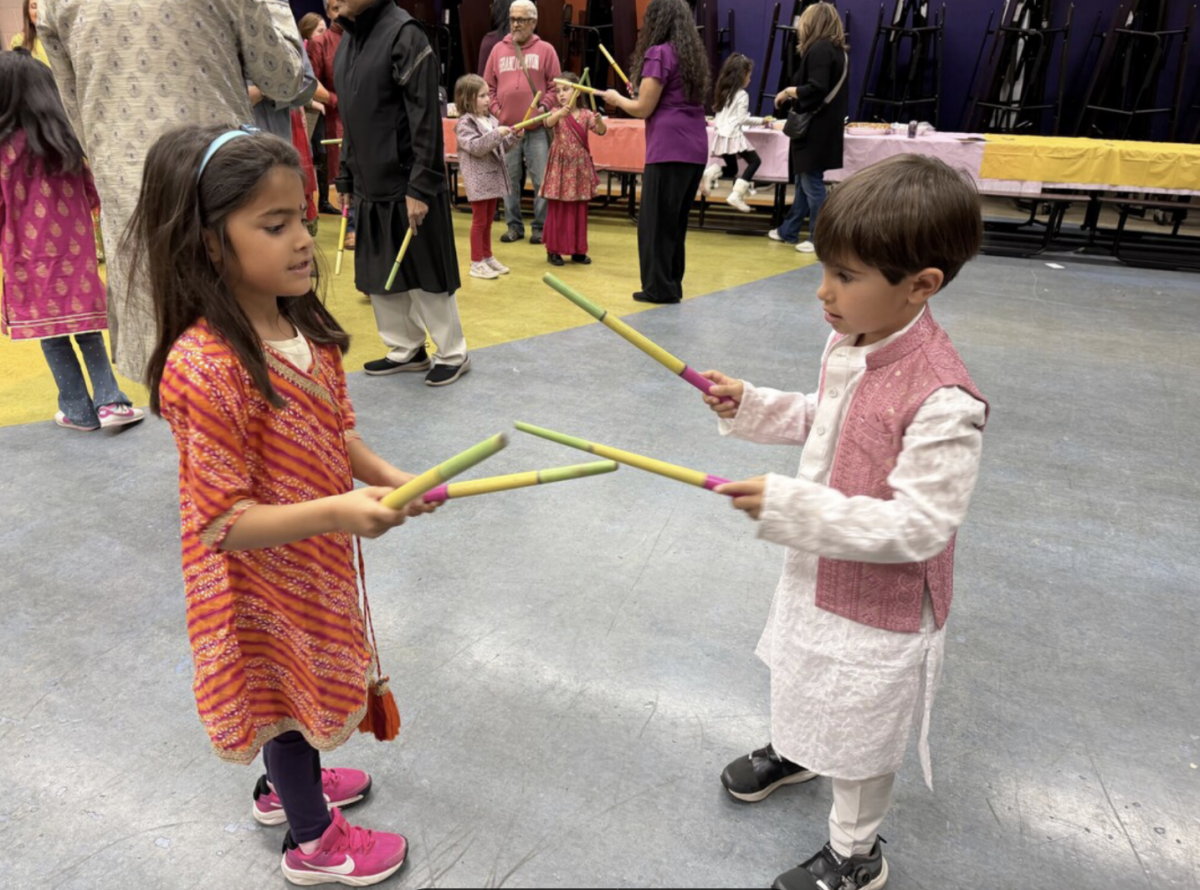
On Nov. 8, the Sidwell Friends Lower School hosted a joint Diwali and Mid-Autumn Festival celebration for the Sidwell community.
Attendees enjoyed food, music, performances and seasonal art activities such as lantern decorating and coloring a Diwali-themed banner. With strong turnout from Lower School families, each household lit a diya — a traditional Diwali candle — to close the event.
Diwali, celebrated for roughly 2,500 years across the Indian subcontinent, symbolizes the triumph of light ov er darkness. Celebrated by over 800 million people, primarily in the Indian subcontinent, Diwali is the Sanskrit word for “row of lights.” To reflect this, many families often gather to light sparklers and diyas, small clay lamps often used in Hindu ceremonies.
Food is a central part of Diwali celebrations, and the act of sharing food is used to strengthen communal ties. Sweet foods such as gulab jamun and laddoos symbolize the sweet nature of life. Similarly fried dishes including samosas and pakoras are used to represent the defeat of evil.
The Mid-Autumn Moon Festival, observed for more than 3,000 years in East and Southeast Asia, celebrates reunion and gratitude during the full harvest moon.
In accordance with the lunar calendar, the timing of the Mid-Autumn Festival is meant to align with the brightest moon of the year. The moon symbolizes a circle of connection and the festival is often associated with family reunion.
Families often gather to eat mooncakes which represent unity. Lighting lanterns is also a central part of the festival, as the lanterns supposedly light the way to a better future and represent prosperity to come.
The program included a Mid-Autumn dance by Lower and Middle School students and a martial arts performance by Rong Kung Fu Academy. A video montage of students and families sharing Diwali greetings was a highlight, with many referencing sparklers, diyas, blessings and time with loved ones.
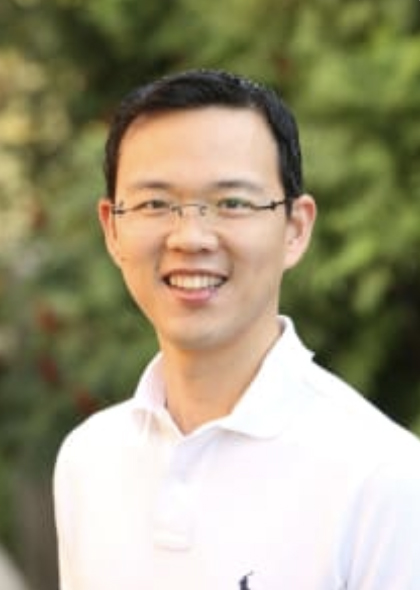
Parents of Asian Students (PAS) Clerk Robert Seo said events like this strengthen the community by showcasing cultural diversity. Because Diwali and the Mid-Autumn Festival are rarely celebrated together, PAS clerks worked to “design a new combined tradition,” a process Seo said required collaboration and creativity.
The effort, he added, was worthwhile because “events like this allow us to learn about each other’s cultures and deepen our appreciation for our various traditions.”
Seo said that while it may have been hard at first to mix both holidays together, “diversity is only a strength for our community if we can bridge our differences.” He emphasized the importance of coming “together towards the same purpose.”
He also expressed gratitude for parent volunteers. “Any large event takes a lot of effort and coordination,” Seo said. “We want to instill in our students pride in who they are and where they came from, along with an appreciation of different backgrounds.”
Seo also thanked attendees and organizers for their work, saying that the celebrations display the strong Asian community that “has always been a part of Sidwell.” He further emphasized the importance of sharing these traditions with the wider school.