
















On Nov. 4, voters across the U.S. headed to the polls in elections that will help shape the 2026 midterms and the broader political landscape. Key contests included gubernatorial races in Virginia and New Jersey, New York City’s mayoral election and a statewide vote on California’s Proposition 50.
Coming one year after President Trump’s election, this off-year cycle offered an early gauge of public sentiment toward his administration and the appetite for political change.
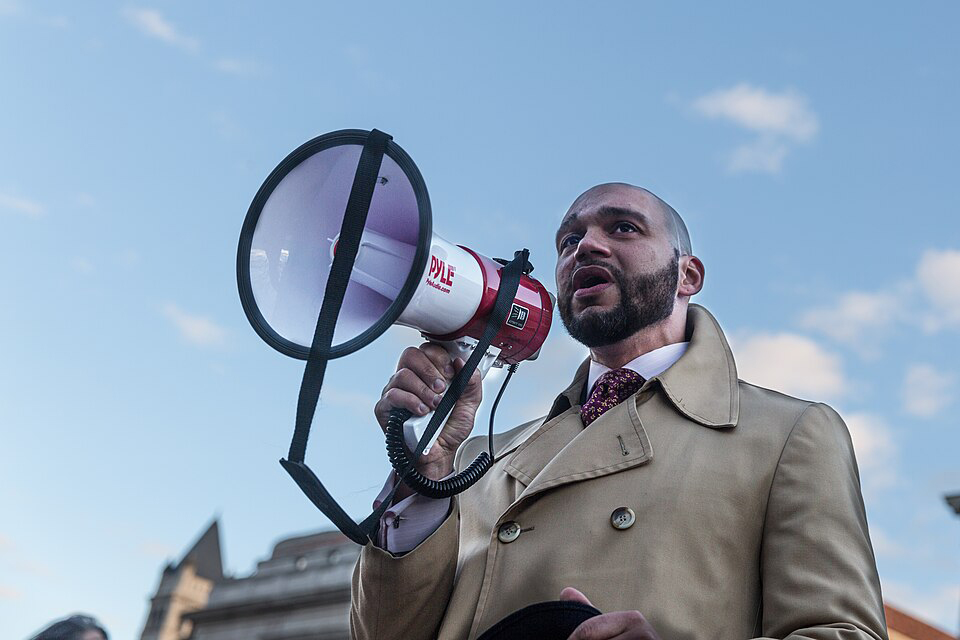
Zohran Mamdani, a Democrat, won the race for mayor of New York City and got 51% of the nearly two-million-vote total. The Democratic Former Governor Andrew Cuomo ran as an Independent and came in second with around 42% of the vote. The Republican candidate, Curtis Sliwa, received 7% of the vote.
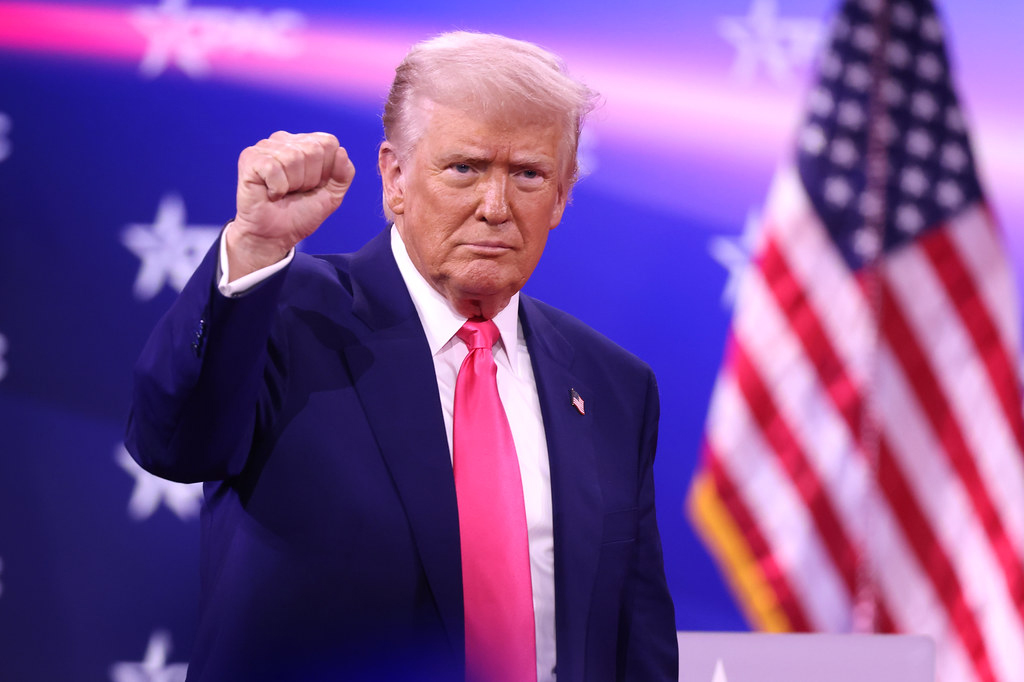
Cuomo’s candidacy gave voters a more moderate option after the polls of the Democratic primary were released. On Nov. 3, the day before the election, President Trump announced that he would be endorsing Cuomo, stating that it would “be a complete and total economic and social disaster should Mamdani win.” He also openly mocked and discouraged voting for Sliwa, the Republican candidate, in an attempt to consolidate as many votes for Cuomo. Trump additionally threatened that if Mamdani were to win, he would withhold federal funds beyond the bare minimum for New York City.
Mamdani, a progressive Democrat, based his campaign on three key promises that included fast and free buses, free child care and freezing the rent for rent-stabilized tenants. Mamdani harnessed citizens’ discontent with the Trump Administration to win the vote in areas that previously supported Trump.
During a White House meeting between Trump and Mamdani, however, Trump walked back on his criticisms.
“I think he’s going to surprise some conservative people, actually,” Trump said. “I think this mayor can do some things that are going to be really great.”
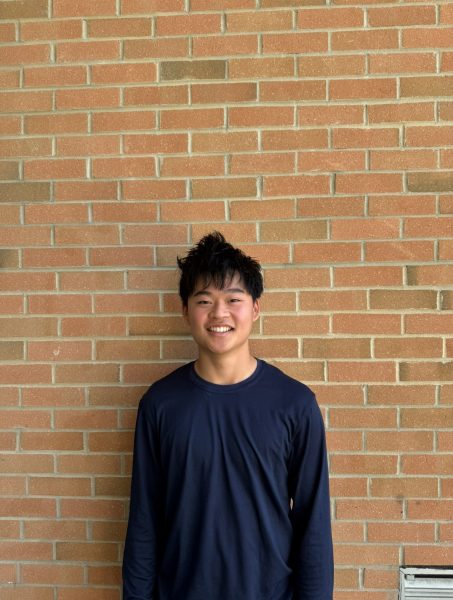
Addressing the widespread media coverage of the race, sophomore Alexander Speece said those who “have nothing to do with New York” are “too hyped,” referring to people who are not living in New York celebrating the victory.
“The results highlight how broad the Democratic party [candidates’ viewpoints] can be,” he said.
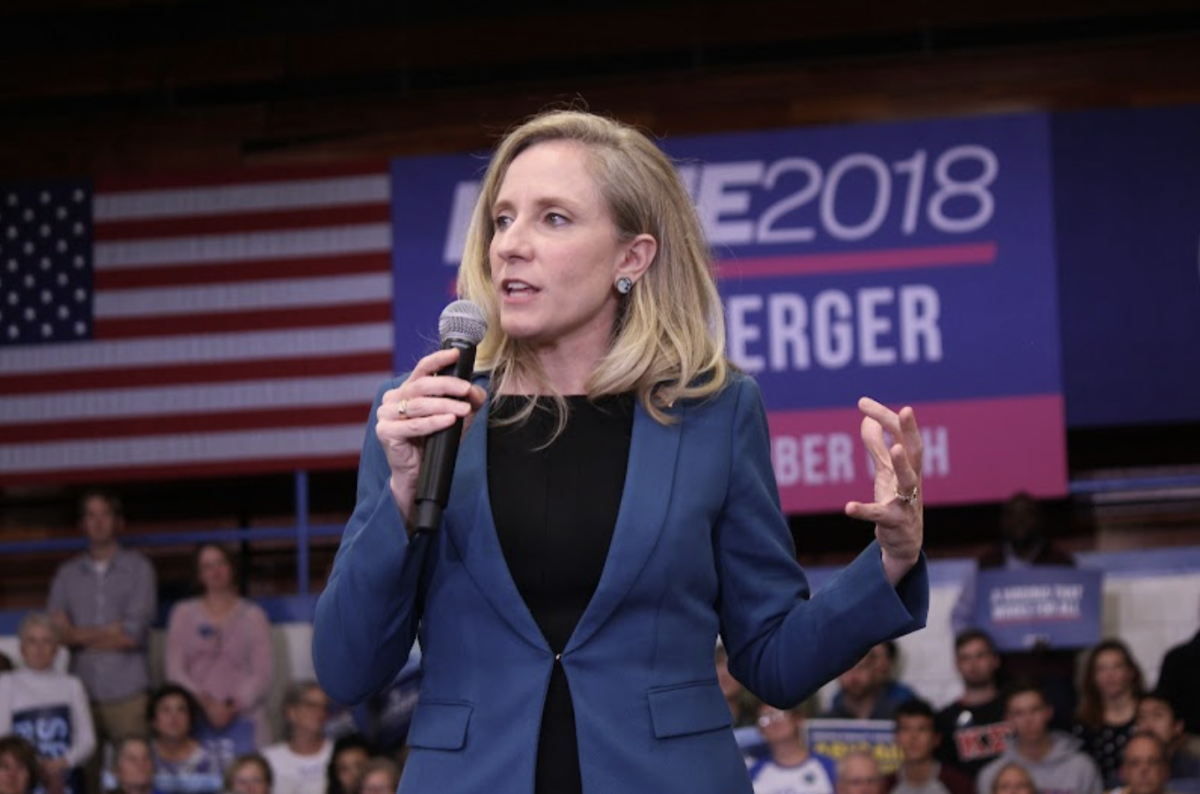
In Virginia, the competition for governor was between Democrat Abigail Spanberger and former Virginia congresswomanWinsome Earle-Sears, a Republican and the current lieutenant governor. Spanberger won by about 15% and will be Virginia’s first female governor.
Meanwhile, in New Jersey, the gubernatorial race between Representative Mikie Sherrill, a Democrat, and Former Representative Jack Ciattarelli, a Republican, proved another Democratic victory. Sherrill beat Ciattarelli by about 13%, even though Ciattarelli gained support from President Trump.
Nearly every county and city in both Virginia and New Jersey reported voting more Democratic than in the 2024 presidential election. This was particularly true in Hispanic communities.
In response to the Democratic victories, sophomore Emmett Bailen said that it was a very successful night for Democrats, and that it gave them “some needed hope,” particularly in their efforts to retake control of the House of Representatives during the 2026 midterm elections.
In August, Trump sparked a new wave of gerrymandering by persuading Texas legislative officials to redraw the boundaries of certain districts, which would ultimately flip five Republican House seats. Policymakers across the U.S. responded, with numerous states all moving to also redraw district borders.