
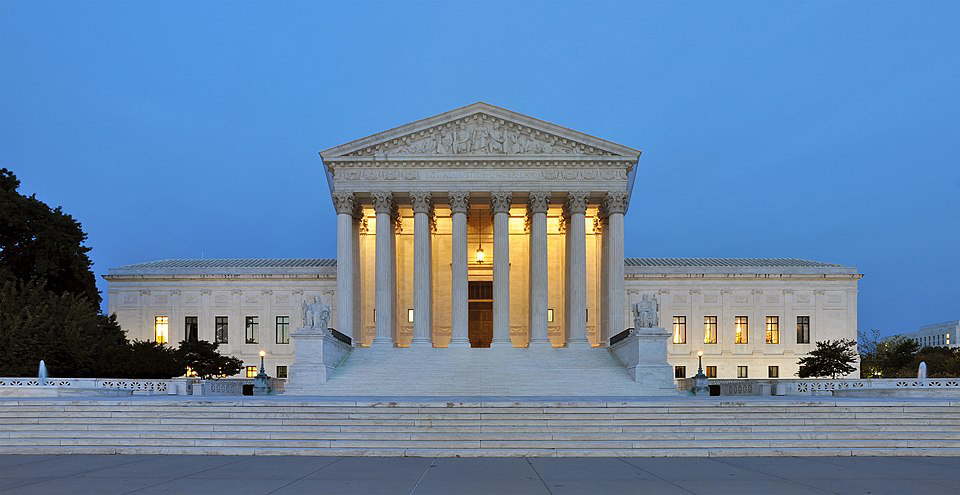

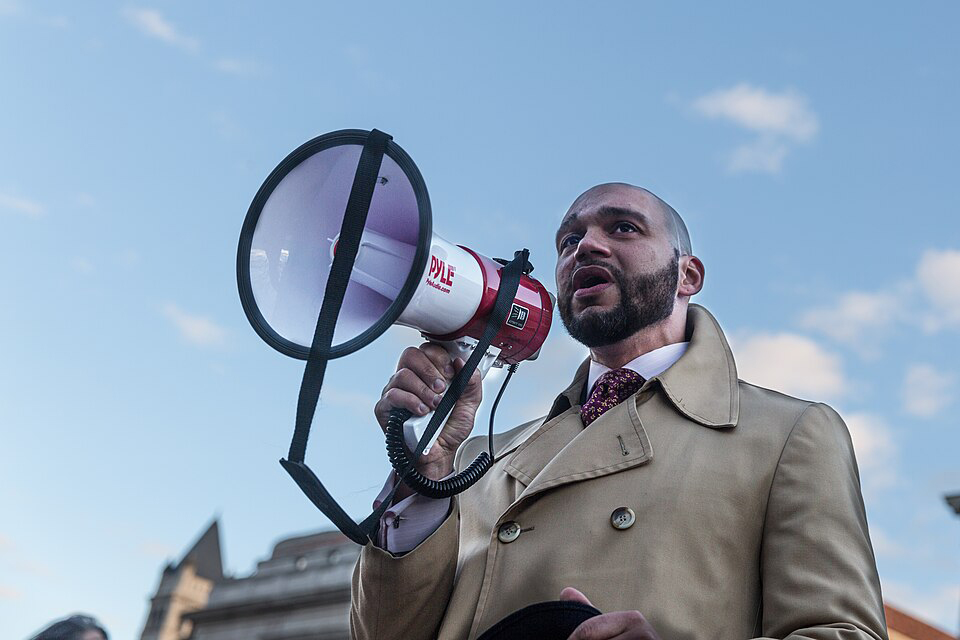

















On Oct. 1, the U.S. government announced it would shut down after Congress failed to reach a consensus on an annual budget. The budget fell short of the 60 votes required to pass the Senate, with Democrats seeking an extension of Affordable Care Act tax credits set to expire at the end of 2025.
Because of the shutdown, the Washington area will have to modify its approach to economic development, both during and after the crisis. Even before it began, the region was struggling, facing the highest unemployment rates since the pandemic. The shutdown has led to the furloughs of more than 750,000 federal employees, and the Trump administration has threatened to fire select employees and deny workers back pay after the government reopens. These measures would further worsen Washington’s unemployment crisis; the rate already sat at 6% before the shutdown — the highest of any state in the United States by a wide margin.
Government jobs make up more than a quarter of Washington’s total employment. Due to the shutdown, a significant decrease in retail and hospitality spending is expected as many households supported by government funds will struggle financially. Overreliance on federal employment weakens the region as a whole. With the current shutdown, it is impossible to ignore. These struggles have been further aggravated by the Trump administration’s previous efforts to reduce government hiring and spending.
According to a survey conducted by the Restaurant Association of Metropolitan Washington (RAMW) earlier this year, “44% of D.C.’s full-service casual restaurants say they are likely to close in 2025,” citing uncertainty about revenue stability amid rising costs and wages. RAMW CEO Shawn Townsend said business owners are expressing even greater concern given the shutdown, with some resorting to strategies that push even thinner profit margins, getting “creative to survive.”
Local restaurant owner Micheline Mendelsohn said the “government shutdown … is just another exhausting pivot,” after slashing staff during the COVID pandemic and again when customer levels failed to recover. She fears the shutdown “could definitely be the death knell” for many small businesses in the Washington area. Such events could occur again in the future if Washington’s economy remains tied to federal paychecks.
In response to the shutdown, Washington Mayor Muriel Bowser launched the Talent Capital proposal, an AI-powered platform that consolidates resources for career opportunities, skill development and networking across the region. However, the limited growth of the private-sector job market will be unable to absorb the sudden influx of laid-off government workers — further worsened by the fact that many of these new opportunities require skills that do not align with those of furloughed or terminated employees. While the initiative shows promise, it cannot succeed with such high dependency on federal employment.
To counter the slowing economy, it is imperative that Washington rethinks its approach to growth. Being a necessity, the city should begin acquiring profit through private innovation, entrepreneurship and investment. Beyond the Talent Capital initiative, which may soften the blow of the shutdown, another key goal should be to promote greater external investment in the region.
A Brookings Institution article describes Washington as an “artificial intelligence ‘star hub’ … [and home to numerous] tech and engineering giants,” which previously helped attract more funding and boost job demand, surpassing levels seen in other major metropolitan areas before 2025. However, since the beginning of this year, venture capital volume has dropped more than 30% in the region, compared with a 15% increase nationally. This downturn clearly demonstrates D.C.’s economic dependency on federal stability as opposed to private growth.
If Washington and its neighboring states can revive the capital inflows of past years, either by expanding outreach beyond federal agencies and tech firms or by reigniting previous funding surges, the widespread impacts of the government shutdown may be less severe. However, its ripple effects are already being felt across the region as it coincides with a period of severe economic downturn.
This event can serve as motivation for revising the current economic dependency. Washington’s future depends on its ability to innovate beyond federal funding and control.
Ideally, companies and officials will be able to encourage workers to return to the area — long known for its high cost of living — while diversifying both the skill sets of the workforce and the industries represented within it.