











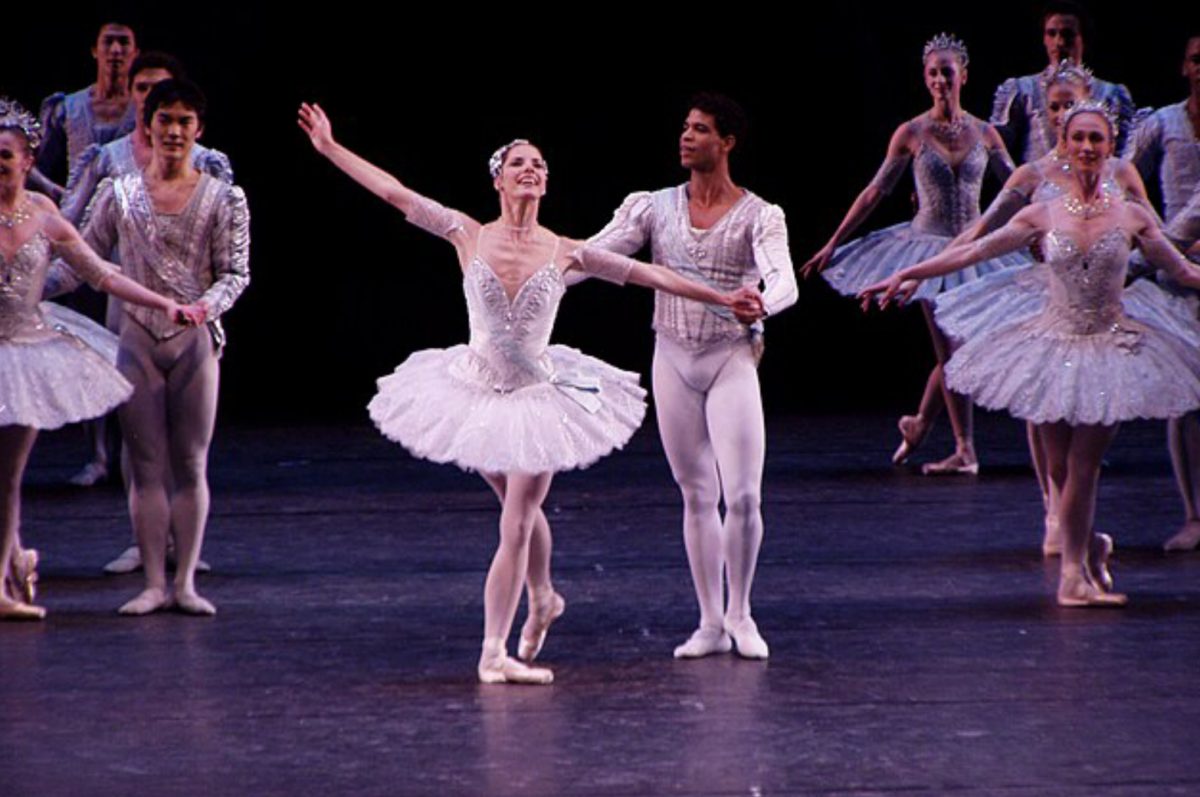
When actor Timothée Chalamet recently stated in an interview with Matthew McConaughey to CNN and Variety that he does not want to work in ballet or opera, which are fields that “no one cares about anymore,” the remark sparked debate across the performing arts world. With the rise of alternative sources of entertainment like movies and television shows in recent decades, it has become much easier and popular to indulge in those mediums instead of the opera or the ballet. Nonetheless, it would be misleading to conclude that ballet and opera are no longer culturally significant. Rooted in 400 years of history, these art forms continue to attract audiences across the world, maintain deep cultural relevance and evolve in ways that keep them meaningful for modern society.
The most astonishing ballet and opera performances remain powerful symbols of classical culture that continue to be represented in institutions including the Metropolitan Opera in New York and the Royal Ballet and Opera in London. Society continues to recognize the beauty and touching mediums given that thousands of tickets are sold each season. According to the Metropolitan Opera, about 72% of available tickets were sold in a recent season. Productions such as Swan Lake, The Nutcracker and La Traviata are still performed regularly and remain recognized internationally. These works have endured centuries for reasons beyond society’s want to “keep this thing alive” as said by Chalamet. They continue to move people emotionally through music, storytelling and visual spectacle.
Ballet and opera remain relevant due to their strong connection in tradition and history, similarly to how classic novels are still read and praised. Unlike newer forms of entertainment that change rapidly, these art forms preserve centuries of artistic development. Similarly to how novels and paintings created before the 19th century are treasured, people are drawn to ballet and opera precisely because they represent a living link to the past. Rather than being a weakness, this historical depth is part of what makes them valuable. It allows audiences to experience the same masterpieces that inspired people hundreds of years ago, creating a sense of cultural continuity that modern media rarely provides.
While it is accurate that ballet and opera are sometimes viewed as art forms associated with the upper class, it does not correlate with Chalamet’s perspective of them being unpopular. Historically, many performances took place in royal courts or elite theaters. Modern ticket prices still attest to this prestige. However, this perception does not mean they lack popularity since the value attached to these performances often draws the attention of audiences seeking a unique cultural experience. Many major ballet and opera companies like the American Ballet Theatre and Paris Opera Ballet have introduced student discounts, livestreams and community outreach programs to make performances more accessible, demonstrating how these art mediums are actively adapting to be inclusive while maintaining their traditions.
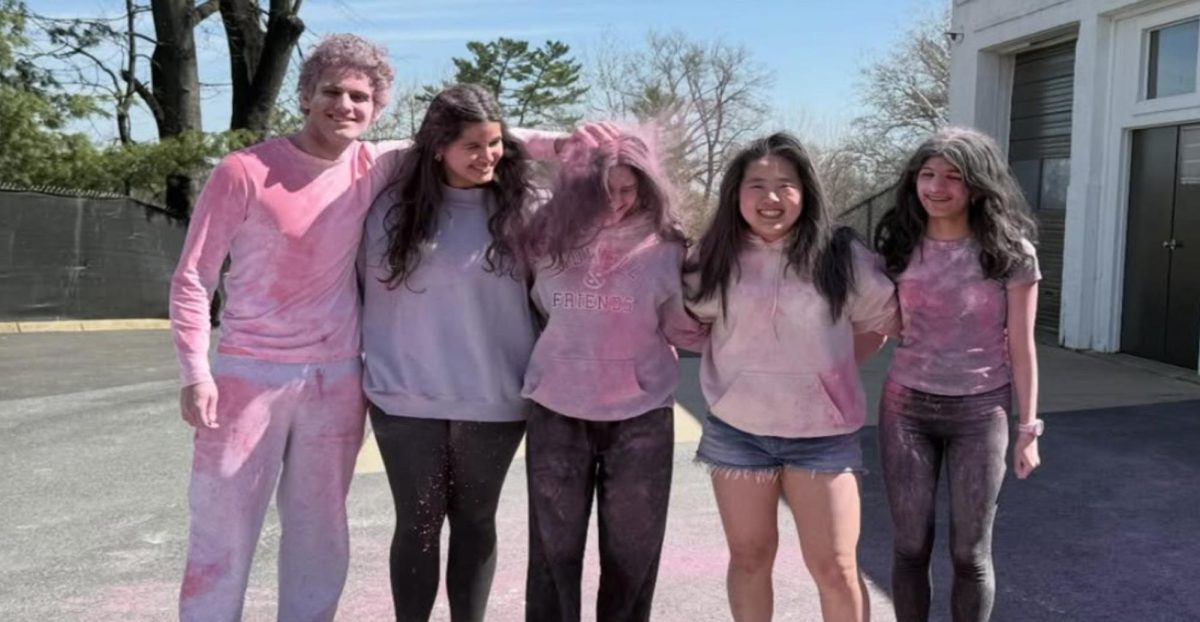
A Sidwell dancer, junior Aayushi Jorgensen, shared a similar perspective while emphasizing the dedication behind these art forms. “I don’t think that Timothée Chalamet is being fair to other performers by putting them down. At the end of the day, artists pour their soul into whatever they are passionate about. For him, it’s acting, but for others, it’s ballet and opera.”
Art mediums including ballet and opera remain popular not because they compete with blockbuster movies, but because they fulfill a unique role in cultural tradition. Their history, prestige and artistic depth continue to allow for people to witness the awe that these art forms provoke. Chalamet was incorrect in stating that “no one really cares” because these art forms persist precisely by offering something rare in modern entertainment. Ballet performances like Giselle first performed in 1841 and operas like L’Orfeo composed in 1607 remain ongoing today as they foster a timeless connection between art, history and complex expression.
