
















Due to the recent death of Jalisco New Generation Cartel leader Nemesio Oseguera Cervantes, officials of the quad-annual FIFA World Cup Tournament have debated the safety of hosting the tournament in Mexico amidst violence. As the leader of a prominent cartel, Cervantes built one of the most powerful criminal organizations in Mexico and had a bounty of approximately 15 million dollars. After his death, cartel members responded with roadblocks, arson and violence across multiple states, including cities like Jalisco and Guadalajara, where tournament matches are currently scheduled to take place. While public safety amid turmoil should be the priority, the 2026 World Cup should nonetheless be held in Mexico due to potential logistical issues that could arise from relocation.
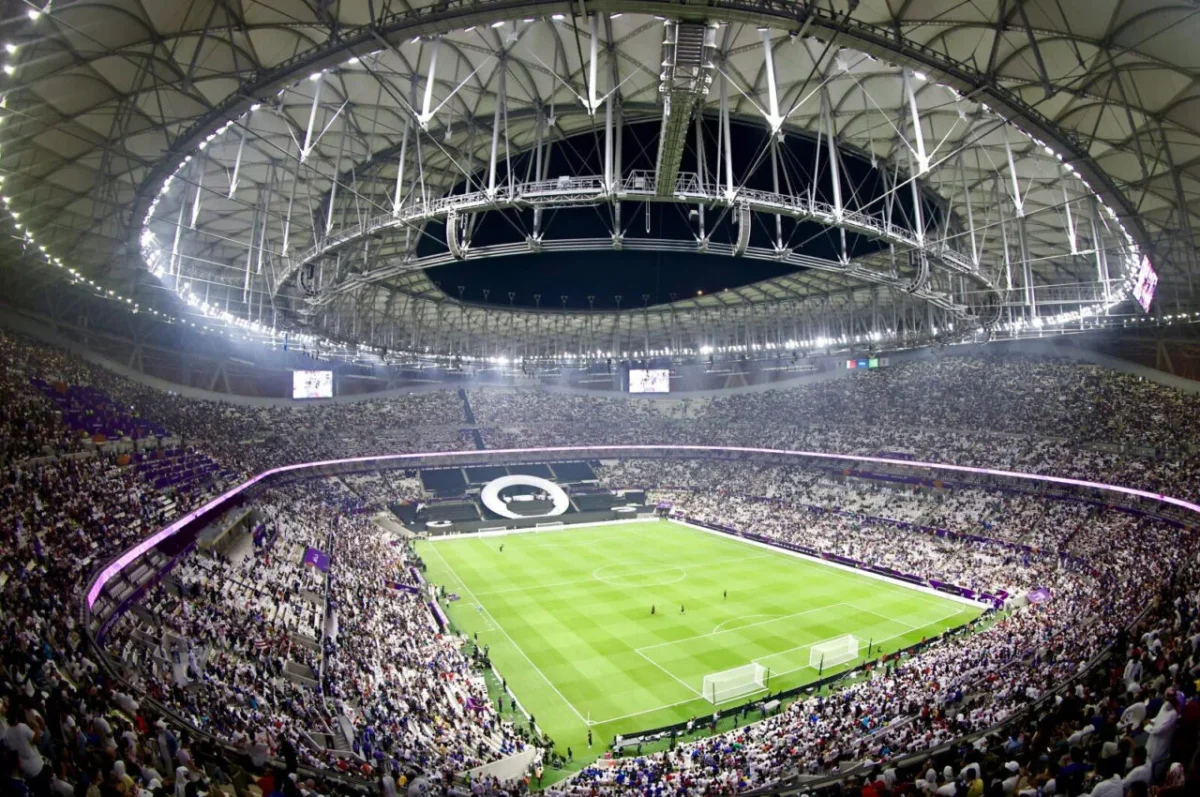
The World Cup is not an event that can simply be moved months before it begins. In preparation for the awaited competition, many stadiums have undergone renovations, transportation systems have been upgraded and security plans have been coordinated for years.
The current plans of matches taking place in Mexico alongside the U.S. and Canada are unproblematic, but changing host cities at this stage would disrupt travel, broadcasting, ticketing and team preparation on a global scale.
More broadly, the economic impact of a potential relocation would significantly harm host countries. The World Cup Tournament brings billions of dollars in tourism, jobs and long term investments. Cities like Guadalajara depend on these events to boost local businesses and showcase their global relevance. Pulling matches out of Mexico would not only hurt its economy but also damage its international reputation.
Moving the tournament could also have a huge reputational impact on Mexico. Cartel violence is a serious issue, but allowing instability to dictate international decisions risks rewarding criminal influence. President Claudia Sheinbaum has framed Cervantes’ death as progress in the fight against organized crime and fentanyl trafficking. Abandoning Mexico as a host could undermine that progress and signal a lack of confidence in the country’s ability to maintain order during a major event. Nonetheless, current concerns should not be dismissed. Current attacks call for the need for heightened security, strengthened intelligence cooperation and finalized contingency plans.
Previously, major global events, such as large sporting competitions, have successfully been held in nations facing internal challenges. President of the International Football Association Gianni Infantino told Fox News that he was feeling “very calm” about Mexico hosting this summer’s tournament.
“Everything is going to be spectacular,” he said.
Although it is necessary to tighten security and cooperation, alternatives could lead to more complicated scenarios. Canceling or moving the World Cup would create larger political, economic and symbolic consequences in comparison to current events taking place.
Mexico has successfully hosted the World Cup in previous years due to the infrastructure, experience and international support. Changing current plans would not solve the issue; it would only demonstrate how instability can dictate global decisions. The 2026 World Cup should stay in Mexico not only because concerns are minimal, but also because backing out would be an overreaction that could cause more damage than it prevents.