












Major League Baseball teams are preparing for the 2026 season, with Opening Day scheduled for March 25 — the earliest start in the league’s 150-year history. But the most significant change this year is not the calendar. For the first time, MLB will implement an automated ball-strike (ABS) system, introducing technology that allows players to challenge an umpire’s call at home plate.
First tested in the independent Atlantic League in 2019, the automated ball-strike system has undergone years of adjustments before reaching the major leagues. After trials in the minor leagues beginning in 2022 and additional testing during spring training in 2025, the technology gained widespread support. In an MLB fan survey, 72%of respondents favored the system, and in September 2025 the league’s 11-member Joint Competition Committee voted to approve its use in the majors for the 2026 season.
The automated ball-strike system gives players the opportunity to appeal strike-zone judgments by the home-plate umpires through advanced monitoring technology. Instead of arguing and vocally protesting strike calls to the umpires, players now have the power to overturn them by digitally checking the calls.
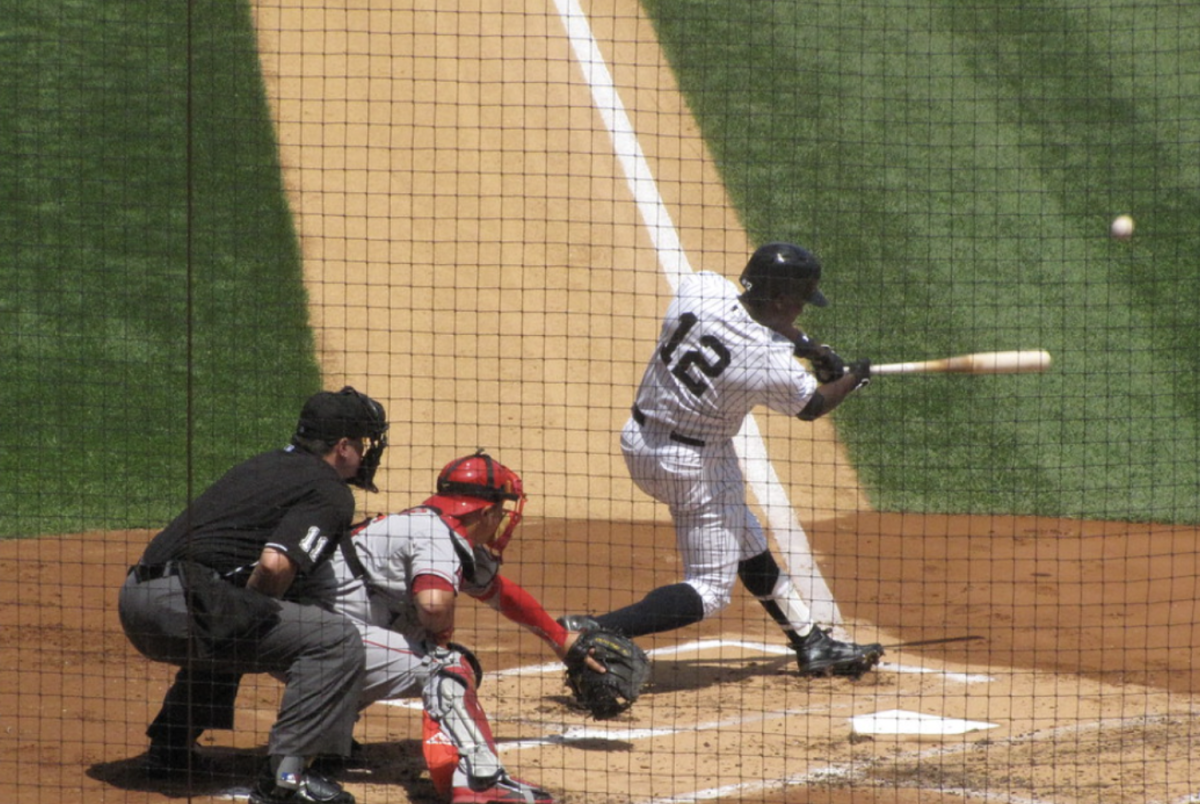
Although this system replaces the long-accepted tradition of home-plate umpires fully calling balls and strikes, it does not fully replace the home-plate umpires themselves. Home-plate umpires will remain behind the plate calling balls and strikes. However, if a batter, pitcher or catcher exclusively has an issue with the call made on the field, they can tap their cap or verbalize their challenge to the umpire.
Some critics argue that adding ball-strike challenges could further lengthen an already slow game and lead to excessive reviews. However, early data suggests the impact will be minimal. According to MLB.com, the automated ball-strike system added roughly one minute of game time across 288 spring training games. Players must signal a challenge almost immediately after the pitch — within about two seconds — and teams are limited to two challenges per game. If a challenge is unsuccessful and the original call is upheld, the team loses one of its challenges. Because the limit is based on a standard nine-inning game, teams receive an additional challenge for each extra inning played.
Once challenged, an animated pitch result graphic appears on the stadium jumbotron, revealing the correct call to spectators in the stands. Additionally, for those watching on television, an animated pitch graphic appears on their screens. The animated pitch graphic assists the umpire in making the right call and further engages the audience.
Similar to the line-calling system in tennis, the newly implemented system uses 12 cameras across the ballpark to track the ball to ensure top-tier accuracy. The system will use a two-dimensional zone in the middle of the plate that spans 17 inches wide and 53.5% of the batter’s height in inches, MLB.com reported.
To further enhance the system, the MLB is entering into a deal with T-Mobile to use its 5G private network. With the 5G network, the system can monitor the exact location of each pitch relative to its strike zone. Described as “Hawk-Eye” technology, when a call is challenged, the T-Mobile 5G network instantly projects the challenge on screen for all to see.
With some divided opinions on whether the automated ball-strike system belongs in MLB, the 2026 baseball season may ultimately determine the future balance between tradition and technology. Regardless, the ABS system allows players and managers to further challenge their call to eliminate human error from pitch calling.