



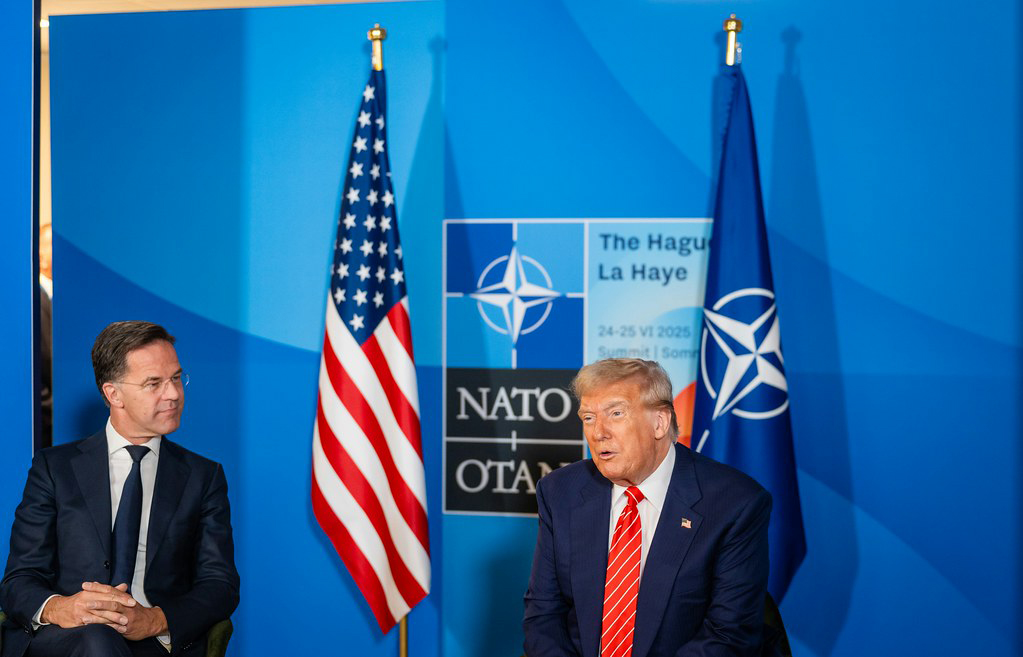



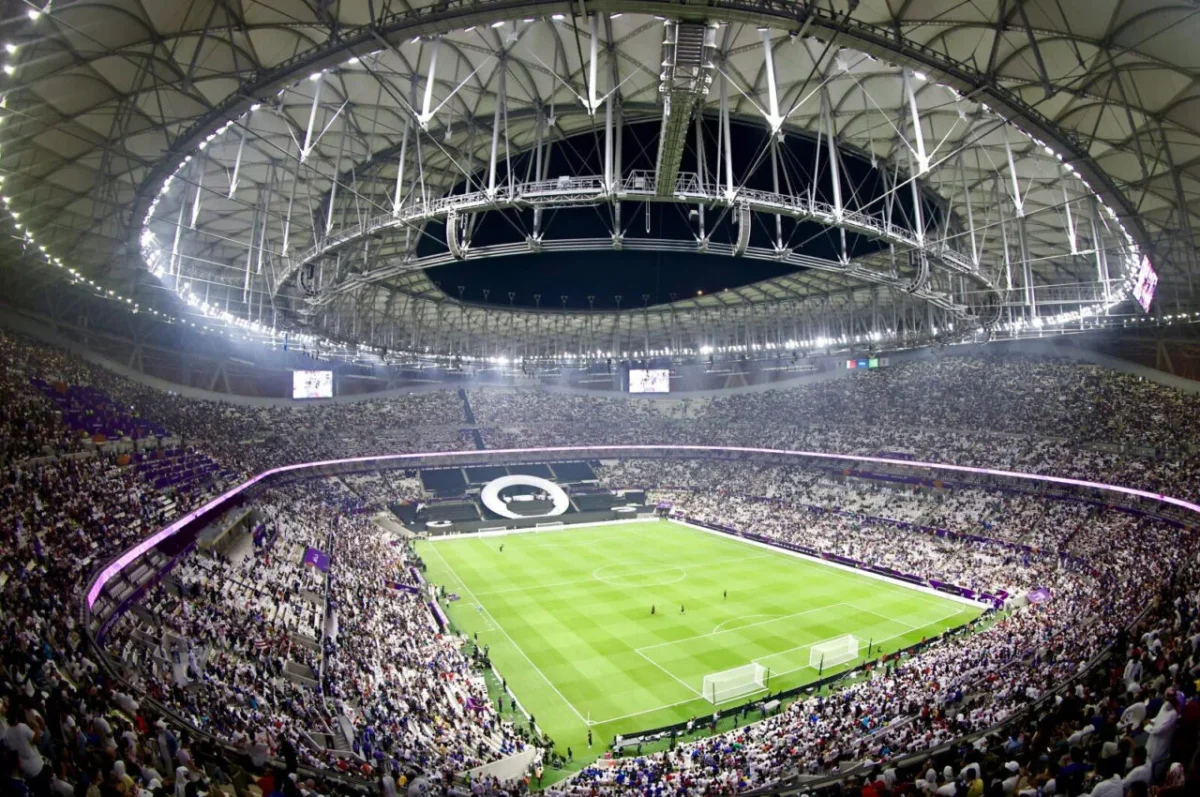

The John F. Kennedy Center for the Performing Arts became the focus of significant controversy following its board’s decision to add President Donald Trump’s name to the building and the administration’s restructuring of its leadership.
In response, a growing number of prominent artists and organizations withdrew from scheduled performances due to concerns about the politicization of the arts. So many artists withdrew that the Kennedy Center’s theater did not schedule its 2026–2027 season. Adding to this controversy, Trump announced that, beginning July 4, the Kennedy Center would shutter for two years.
One of the most significant cancellations came from the Martha Graham Dance Company, the oldest dance company in the United States and a cornerstone of modern dance. The company was founded by Martha Graham, whose technique reshaped modern dance worldwide. It had planned four performances at the Kennedy Center as part of its 100th anniversary. Graham herself was honored at the Kennedy Center Honors in 1979. The company’s decision to withdraw reflects the broader pattern of boycotts after the institution’s renaming.
In the musical world, Béla Fleck, an 18-time Grammy award winner, canceled his performances with the National Symphony Orchestra (NSO). Fleck is considered an extremely influential banjo player; his withdrawal from the center also underscores how severely many artists are responding to the changes there. Philip Glass, one of the foremost living composers, canceled the NSO’s premiere of Symphony No. 15, “Lincoln.”
“Symphony No. 15 is a portrait of Abraham Lincoln, and the values of the Kennedy Center today are in direct conflict with the Symphony,” he wrote in a statement.
Jazz musicians have also withdrawn from the Kennedy Center in large numbers. Chuck Redd, a respected percussionist who has hosted holiday concerts there for years, canceled his Christmas Jazz Jam. The Cookers, a veteran jazz ensemble composed of established musicians, withdrew from a planned New Year’s Eve concert.
The producers of the musical “Hamilton,” one of the most commercially successful and culturally influential Broadway productions of the past decade, also cut ties with the Kennedy Center. The show has previously been associated with the institution, and its creators have consistently framed their work as intertwined with American history and civic identity. Its exit reinforced concerns about the center’s role as a national cultural space and raised questions of how to maintain its credibility as an autonomous, apolitical artistic space.
Several artists scheduled to appear on the Millennium Stage, the Kennedy Center’s free performance series, also canceled appearances. Among them was Rhiannon Giddens, a Pulitzer Prize-winning folk musician and composer known for her work preserving and redefining African American musical traditions.
“The Kennedy Center show was booked long before the current administration decided to take over this previously bipartisan institution, but I cannot in good conscience play at [t]he Kennedy Center with the change in programming direction forced on the institution by this new board,” she posted.
The boycott has extended beyond traditional performing arts as well. Issa Rae, an actress, writer, and producer best known for creating and starring in the television series “Insecure,” canceled her scheduled appearance at the center. According to CBS, she cited Trump’s “infringement on the values of [the] institution” as the reason for her cancellation.
Contemporary musicians, including the rock band Low Cut Connie, have likewise canceled performances.
The most significant institutional shift came from the Washington National Opera, which announced it would permanently end its affiliation with the Kennedy Center after more than five decades. Its upcoming productions will instead be staged at George Washington University.
According to various reports, these withdrawals coincided with declining ticket sales and a reduced performance schedule. When Trump announced the closure of the Kennedy Center, claiming that the institution, renovated in 2019, needed to be revamped, CNN attributed the center’s closure to its inability to schedule enough performances for the 2026-2027 season.
Fundamentally, according to The Atlantic, the situation reflects broader tensions between political power and artistic independence as political figures attempt to extend their influence over the art world. For artists like Giddens and Glass, the issue resides not in the mere renaming and two-year closure of the Kennedy Center, but rather what it represents: a political takeover of the arts. Their concerns center on preserving the institution’s integrity as a place free from outside interference, and on Trump’s undermining of that promise through his political transformations.